UNC launches Carolina North plan for tech, housing, shops. What about basketball?
AI-generated summary reviewed by our newsroom.
- UNC seeks $8 million for design team to plan development of 947 acres.
- Carolina North phase could break ground summer 2027 with mixed-use labs.
- Trustees weigh six arena options while planners prioritize housing, research.
The time is now to develop the Carolina North campus in ways that will benefit the university, Chapel Hill and North Carolina residents, UNC-Chapel Hill Chancellor Lee Roberts told UNC Board of Trustees members Wednesday.
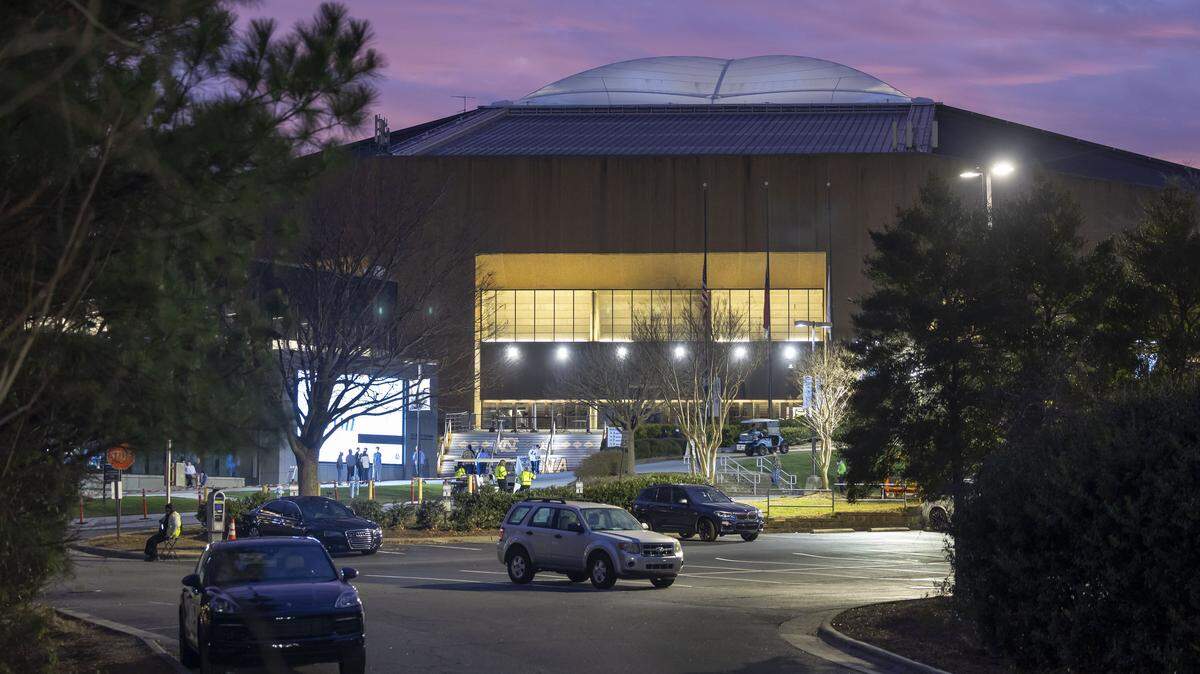
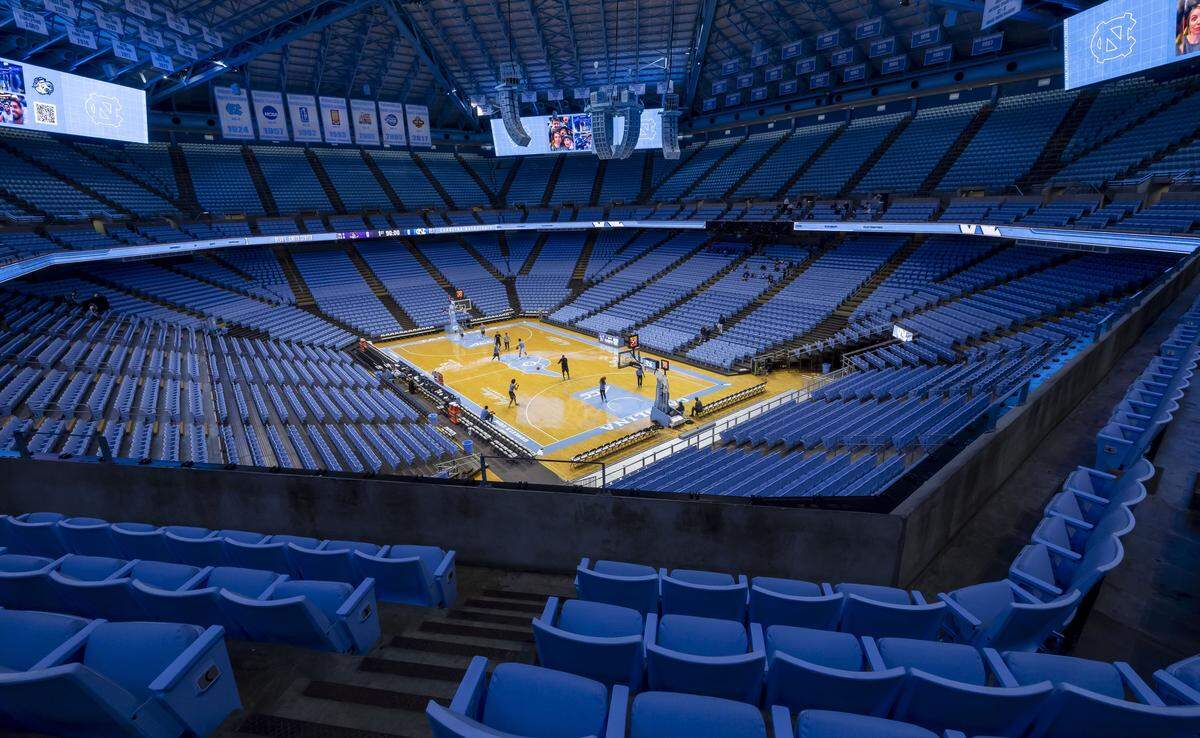
The announcement did not address the future of the Dean E. Smith Center, home to the Tar Heels men’s basketball team for 40 years. Six options remain, from relocating the arena to rebuilding it at the current location.
The trustees’ Budget, Finance and Infrastructure Committee approved $8 million Wednesday to hire a design team to draft a plan for a mixed-use campus on the former Horace Williams Airport tract and establish a project budget.
The full Board of Trustees approved the spending plan Thursday. The university is expected to use its trust funds to pay for the work, and could also use private donations, debt financing, and public-private partnerships to build the campus, Roberts said.
A private developer can build housing more quickly and efficiently, making it the first thing built at Carolina North since the airport, he said. UNC could lease the land to a developer or pursue a joint venture but is unlikely to sell the land, he added.
Carolina North encompasses 947 acres about two miles north of downtown and the main campus. It’s “an opportunity, but also a responsibility,” Roberts told The News & Observer in an interview Monday.

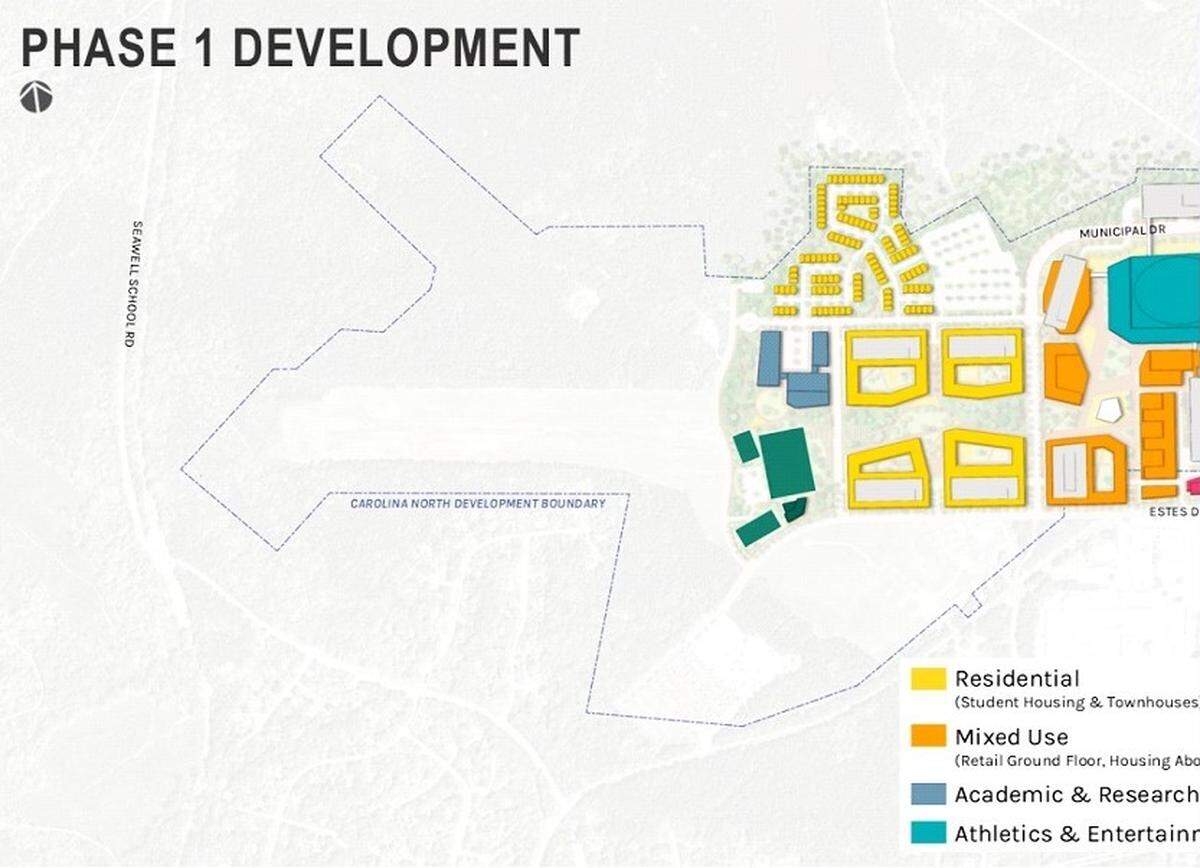
Construction of the first, 230-acre phase could break ground in the summer of 2027. The site runs along Estes Drive Extension from Martin Luther King Jr. Boulevard to Seawell School Road.
Carolina North will have classrooms and research labs in the growing fields of health care, artificial intelligence and advanced technology.
Penny Gordon-Larsen, vice chancellor of research, called the news “incredibly exciting.” UNC’s research initiatives are already the most collaborative in the nation, working across multiple disciplines, she added, with that work accounting for $6 billion of the university’s $8 billion statewide impact in 2024-25.
Embedding AI into every aspect will accelerate those ideas into practical applications, Gordon-Larsen said.
“The more science we can do, the more we can harness those discoveries to make even more impact, and by engaging our students in these classes, they learn all the top equipment, they learn the top skills, and they go out and become the leaders of tomorrow,” she said.
Carolina North also will provide much-needed housing for students and working families, Roberts said, as well as commercial opportunities, including a hotel, shops and restaurants, arts and culture, entertainment, and recreation facilities.
“It’s well overdue,” Roberts told The N&O. “People have asked me why now, and my answer is, the real question should be, what has taken so long? Because most universities would get anything to have this kind of asset available for development and service to the people of the state.”
There are university leaders who favor moving the Smith Center to Carolina North, and a group of Triangle investors proposed an international cricket stadium for the site last year. There is no timeline for either decision, Roberts said Monday.
“We’re not ready to make a decision there yet … we want to make sure we’re talking to as many people as we can,” he said, “and making the best decision that we possibly can.”
UNC trustees, town council member respond
UNC trustees shared broad support for moving forward Wednesday.
UNC Trustee Marty Kotis noted the opportunity to address state growth — North Carolina is now the ninth-most populated state in the nation and is on track to be the seventh-most populated by 2030 — research growth and opportunities, and the ability to build housing, modern campus amenities and an economic engine that meets state, local and university needs.
Student Body President Adolfo Alvarez, an ex-officio member, called it “a great development for the university.” He noted, along with Trustee Jim Blaine, the need to provide students living on campus with more access to dining and grocery store options.
But Blaine advised against being distracted from Carolina North’s purpose, which he said is “to support more of the state’s high school students.”
“I think this university has become too selective,” Blaine said. “I’ve heard from a number of parents and students in the last three or four weeks who received deferrals or weren’t accepted to this school ... and they’re highly qualified and would succeed here,” he said.
The university’s growth has not kept up with the state, he said, and Roberts agreed, noting UNC used to enroll about 5% of the state’s high school graduates, and now serves only 3.5% of graduates.
“We can’t grow as fast as the state grows,” Roberts said, “but we’re not fulfilling our mission, our obligation to the state, unless we try to reflect the growth of the state as it continues to explode around us.”
Chapel Hill Town Council member Theo Nollert welcomed the news that UNC could add more housing but said he would like to hear more details, including when the housing could be built, how much, and whether it will be apartments or also some for-sale options, such as townhouses and condos.
“Those are really critical questions, and my hope is that the answers to those questions will make this a place where people with all kinds of incomes, who are connected to this community and contribute to it as workers, will be able to live,” Nollert said.
What about the Smith Center?
Roberts said the Smith Center, in his eyes, is also overdue for significant investment.
“What is not an option is the status quo,” he said. “So we’re going to have to spend significant capital on the basketball arena no matter what we do.”
The “Band Aid” approach, he explained, would be to spend $80 million to $100 million to replace the roof, fix the bathrooms — “which everyone knows are an embarrassment,” he said — renovate the concession areas and ensure compliance with the Americans with Disabilities Act.
But at a time when everyone is trying to figure out how to generate more revenue for their athletics program, and it costs more than ever to field elite rosters, spending upwards of $100 million to put a bandage on an aging building may be unwise, Roberts said.
“So, before we do that, we think we have to step back and make sure that we’re making the best decisions,” he said. “Whether that’s renovation, new construction, [and] if new construction, where should that be?”
An informal arena advisory group that includes former players and Ram’s Club representatives will advise university officials on the Smith Center’s future.
“We sincerely want as much feedback and advice as we can get on the best option for the arena,” Roberts said. “There are a lot of views. There are a lot of strongly held opinions, which is a good thing. It just shows how much passion there is around Carolina basketball.”
That passion has grown into a coordinated push from certain UNC basketball fans who want to see the Smith Center stay on campus. On Monday, a social media page named “Smith Center South” launched an online petition, renovatesmithcenter.org, that had gathered over 12,000 signatures by Wednesday morning.
A video was also shared on social media by former Coach Roy Williams, who is a staunch supporter of keeping the Dean Dome on campus. Former Tar Heels basketball standout Tyler Hansbrough also shared a video supporting renovation of the existing Smith Center.
As previously reported by The N&O, the university is considering six options: renovate the existing Smith Center; rebuild it on the current site; build a new arena in the Bowles Lot, at Odum Village, or at the Friday Center; or build a new arena at Carolina North.
Student needs grow while plan stalls
Roberts is the fourth UNC chancellor to push for development at Carolina North.
In 2008, former Chancellor James Moeser negotiated a development agreement with the town to build an 8 million to 9 million square-foot satellite campus over 50 years. The first phase — 3 million square feet on 133 acres — stalled without funding and in the face of shifting priorities.
Since that time, the university has identified a growing list of significant and severe deficiencies, especially in buildings constructed decades or centuries ago and residence halls that can’t compete with more attractive off-campus options.
This year, the university enrolled its largest ever first-year class, adding 500 more students in its first step toward a 10-year goal of having 5,000 more undergraduates on campus. Over 32,000 undergraduate, graduate and professional students now attend the 230-year-old institution.
Student career interests are also changing, Roberts said.
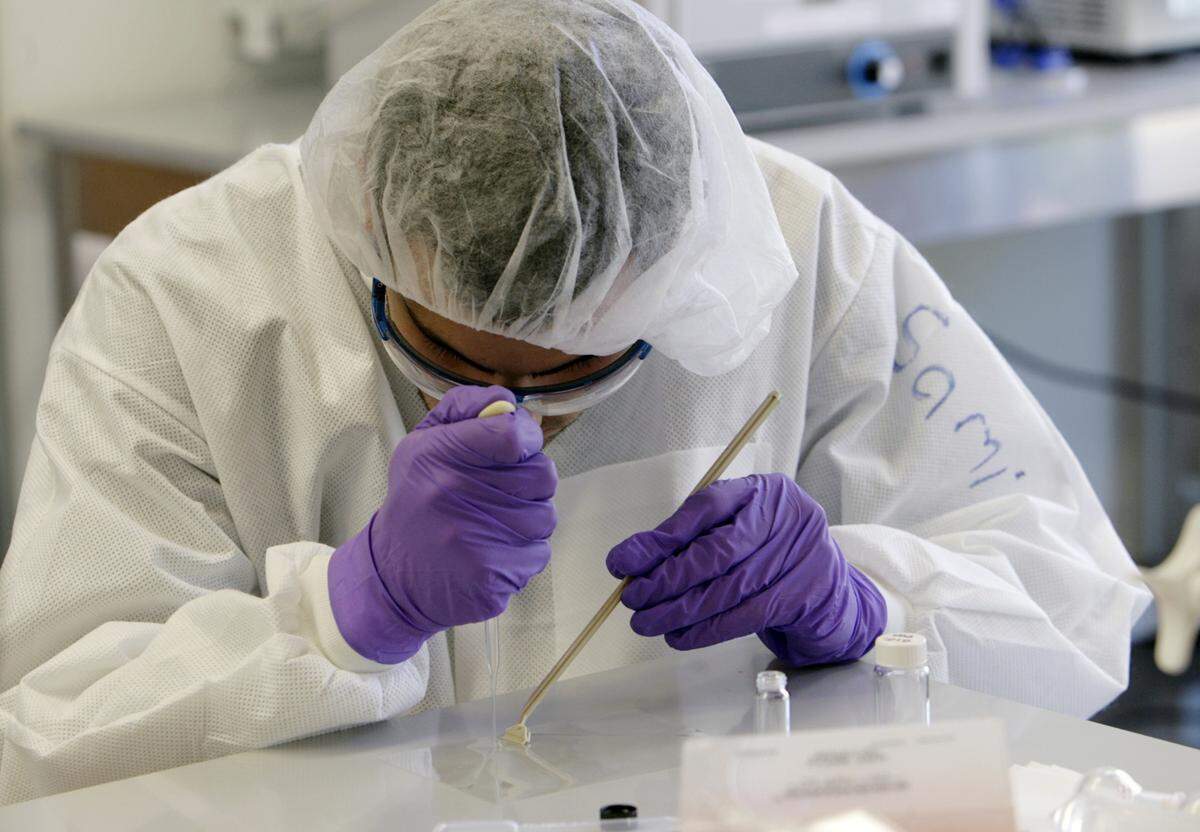
About half of UNC’s undergraduates are majoring in STEM fields — science, technology, engineering and math — up from roughly a third before, Roberts said. Biology is the second-most popular and the fastest-growing major, he said.
Carolina North’s classrooms and labs could form a pipeline for innovation and experimentation to more quickly produce practical health and business applications, he said, similar to how a 2013 partnership with the town and Orange County opened the Launch business incubator and now fuels the Innovation Hub at Carolina Junction on Franklin Street.
How will UNC work with the town?
The university remains committed to the Innovation Hub, as well as the nearby Porthole Alley redevelopment, Roberts said. Planning is underway to make Porthole Alley the link between downtown businesses and UNC’s arts and culture facilities, including Memorial Hall, the Ackland Art Museum and Hanes Arts Center.
“That’s going to be a tremendous driver for downtown, and I think it all feeds on itself,” Roberts said. “A healthier, more vibrant, more active downtown will feed activity at Carolina and vice versa.”
Roberts declined to say whether the university will seek the town’s approval of its Carolina North development plans. A change in state law last year exempts UNC System universities in Orange, Wake, Buncombe and Watauga counties from local zoning and development rules.
Any development at Carolina North would still have to meet state rules and building codes.
Kotis acknowledged the change in state law in his comments Wednesday, noting it will help “us cut through some of the red tape in construction.”
The university will also form an advisory group this year to guide the Carolina North project, keep UNC’s leaders updated, and gather feedback from stakeholders, including faculty, staff, students, alumni, trustees, former student-athletes, and the community, a news release stated.
What about Chapel Hill traffic, housing, the forest?
UNC and town officials have already been talking about transportation at the busy intersection. Thousands of students live along MLK Jr. Boulevard and get around using Chapel Hill Transit buses. Carolina North will also be a future stop on the North-South bus-rapid transit line.
There have also been conversations for years about UNC’s role in the town’s housing supply.
In 2021, a town-gown study showed the need for 485 more homes a year for the next 20 years just to keep up with the current demand, including 45 student housing units each year. Chapel Hill Mayor Jess Anderson has said the town can’t fix the problem without the university’s help.
Anderson “has really been an excellent partner,” Roberts said Monday. He also acknowledged the need to work together, saying housing at Carolina North will also help the university recruit and retain talented faculty, staff and graduate students.
More people living at Carolina North will also attract more shopping and dining options, he said. Six commercial spaces, plus hundreds of apartments and townhomes, just opened up at the new Aura Booth Park development across the street from the satellite campus site.
“We think we have a strong working relationship, and we expect that to continue and we will work closely with the town,” Roberts said. “It’s obviously as important a development as has happened in the town in a long time, and there are all kinds of implications for the town.”
The fate of Carolina North Forest, which lies north and west of the Horace Williams tract, will be another major concern. In 2012, county records show 258 acres of the most sensitive land was placed into a conservation agreement with the nonprofit Triangle Land Conservancy. That was only a portion of the 311 acres identified for conservation in the 2009 development deal.
Roberts said he also enjoys the forest trails but cannot say yet how much could be preserved.
“No matter what happens, there’s going to be a significant green space component there,” he said. “The forest at Carolina North is a resource not just for the town of Chapel Hill, but for the Triangle region. … A lot of that land either cannot or should not be developed.”
This story was originally published January 21, 2026 at 10:12 AM.