NC town’s plan to shrink council, give mayor 4 years takes unexpected turn
AI-generated summary reviewed by our newsroom.
- Chapel Hill council dropped a proposal to reduce its size after resident concerns.
- Residents say reducing council, giving mayor 4 years could harm equity and accountability.
- Council members apologized for lack of conversation about need for changes.
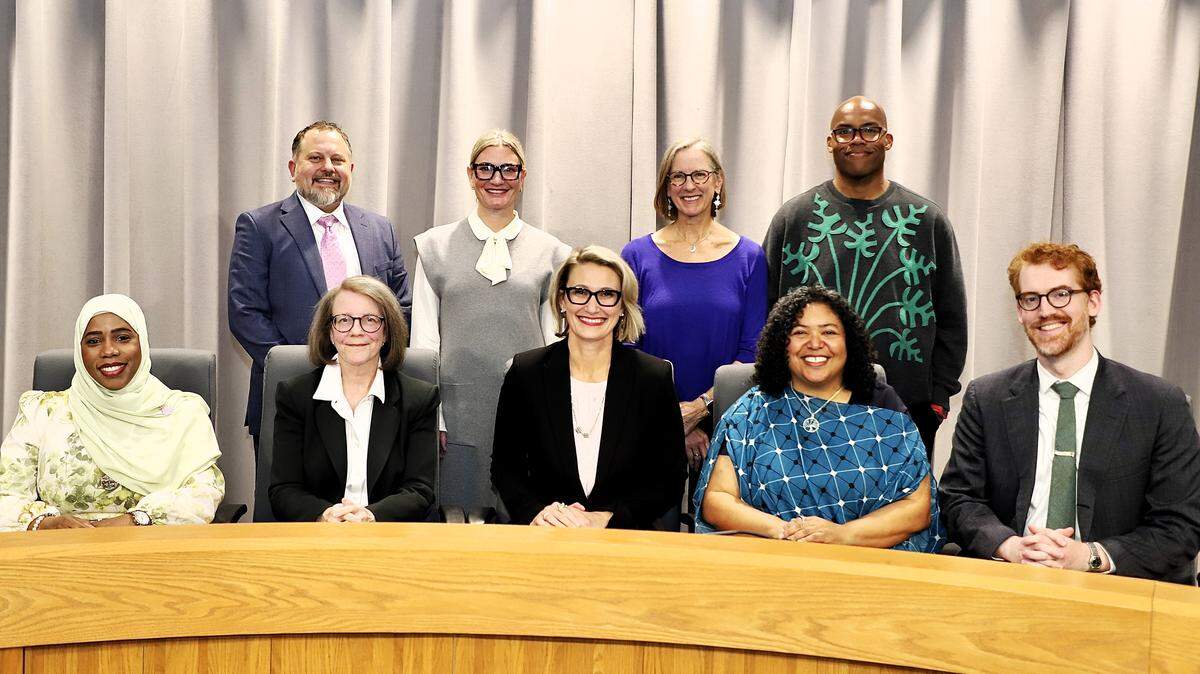
Chapel Hill’s Town Council dropped a plan to shrink its size and extend the mayor’s term after hearing residents’ concerns about equity and representation Wednesday night.
The plan, previously set for a May vote, would have reduced the council from eight to six members and given the mayor four years in office instead of two. The council also had the option of letting voters decide the outcome in a November referendum.
The idea was to make it easier for the council to collaborate and get things done, Mayor Jess Anderson and council members said.
But a diverse group of speakers, from members of the town’s historically Black communities to former elected officials, made the case for stopping the process, or at least pausing to engage with the public first.
Council members “care deeply about equity,” but the town still has “uneven representation,” Chapel Hill resident Danita Mason-Hogans said. A smaller council could consolidate power, benefitting incumbents and candidates with strong networks and well-funded campaigns, she said, while forcing marginalized groups to pool their voting power behind a single candidate to get a seat.
“I’m asking council not only to oppose shrinking representation, but to think more deeply about how we expand meaningful representation,” Mason-Hogans said. “This is about access to power. It’s about who gets to shape policy, and in a town with this much history, displacement and unresolved inequity, we do not need fewer voices at the table.”
Public conversation, unintended consequences
Former Mayor Mark Kleinschmidt echoed those comments, noting the council’s expansion from six members to eight in 1975 was to make room for underrepresented voices, from people of color to LGBTQ residents.
“It’s not just about demographic diversity. It’s about political viewpoint diversity,” Kleinschmidt said. “I sat in that chair where Mayor Anderson is for six years, and I had some really stirring conversations with my colleagues, some of them who saw the world completely different than me, but … our decisions were better because they were there.”
A four-year mayor’s term would also create two sets of council members, he said. One running every four years with the mayor — when voter interest is higher — and another running in off-years, when turnout is lower, giving incumbents an edge, he said.
Members running in off-years could also challenge the mayor without giving up their council seat if they lose, he said.
Others criticized the council for moving fast to approve changes without first talking with the public. Chapel Hill resident Betty Curry noted the 1975 change was made after the town’s charter revision study commission spent a year studying the question.
“That expansion came because communities like Northside and Pine Knolls demanded representation. It was a response to exclusion. Now, today, we are being asked to reduce that representation without demonstrating that those inequities have been resolved,” Curry said. “They have not.”
Council members weigh feedback
Some council members apologized for not reaching out before the public hearing, saying there was no intent to leave the public out of the process. The town has “not done our due diligence in engaging this community,” Mayor pro tem Camille Berry said.
“I do not support taking action so that it can be voted on by us to make that determination, nor do I support it being on this year’s ballot. That was way too soon,” she said.
Council member Theo Nollert said he, too, had second thoughts about extending the mayor’s term after hearing from residents. Nollert already did not support shrinking the council.
However, council members Amy Ryan and Elizabeth Sharp expressed support for continuing to consider council changes and giving voters a choice in a referendum.
Carrboro, Durham and other communities have smaller governing boards, but maintain diverse representation, Ryan said. The bigger question is how to get residents involved, she said, referring to the council’s decisions in recent years to eliminate advisory boards and streamline the development process.
“I think we have to do a better job of making sure that we are paying attention to those avenues and are just being very efficient in our government structure, the way we operate,” Ryan said, to make “sure that we’re getting all those voices into the seats of power.”
Council member Louie Rivers III lent his support to giving mayors four years, especially if it helps build a closer relationship with UNC-Chapel Hill officials. Anderson agreed two years is a short time to learn the job and build relationships.
She shared a different perspective on smaller boards. The UNC School of Government reports N.C. municipal boards range from two to 11 members, but the average is five.
It’s not just the number of seats, Anderson said, but also about how to get a diverse group interested in serving on boards and supporting them when they run for office.
“We haven’t talked about what does it look like to actually get to what we want, which is more inclusion and more people being at the table … and that we’re actually achieving the results that we need to achieve for this community more quickly,” she said. “I don’t feel like we have the time to keep going slow on some of the things that I think are really critical to all of us and that we share.”