New NC center for people in crisis will provide alternative to hospital and jail
AI-generated summary reviewed by our newsroom.
- Orange County commissioners approved a $29.4 million facility.
- The 21,000-square-foot facility will operate 24/7 with a 12-bay urgent care and a 16-bed.
- The facility’s annual operating cost could be about $2.7 million, plus patient costs.
People experiencing a behavioral or mental health crisis in 2028 could have a place to go for help in Orange County that avoids jail and long waits in a hospital emergency room.
The $29.4 million Crisis Diversion Facility got the green light Tuesday when the Orange County commissioners voted 6-0 to start construction in August.
The vote also extended a project management contract with Gilbane Building Co., which has worked with county staff since October to reduce the project’s cost. The final, “guaranteed” price for the land and construction is nearly $3.4 million more than the initial $26 million estimate.
It’s the culmination of planning that started in 2019 after public safety, health and community members identified a crisis diversion center as one of the biggest gaps in the county’s behavioral health and justice systems.
The need is growing, emergency services officials have reported, from 383 patients in 2022 to an estimated 519 patients last year. Up to 365 people could visit the new facility each month, either voluntarily or with help from law enforcement and emergency responders, they said.
That includes a rising number of children who have considered or attempted suicide since the COVID pandemic in 2020, said Commissioner Amy Fowler, who is a pediatrician.
What will the Crisis Diversion Facility include?
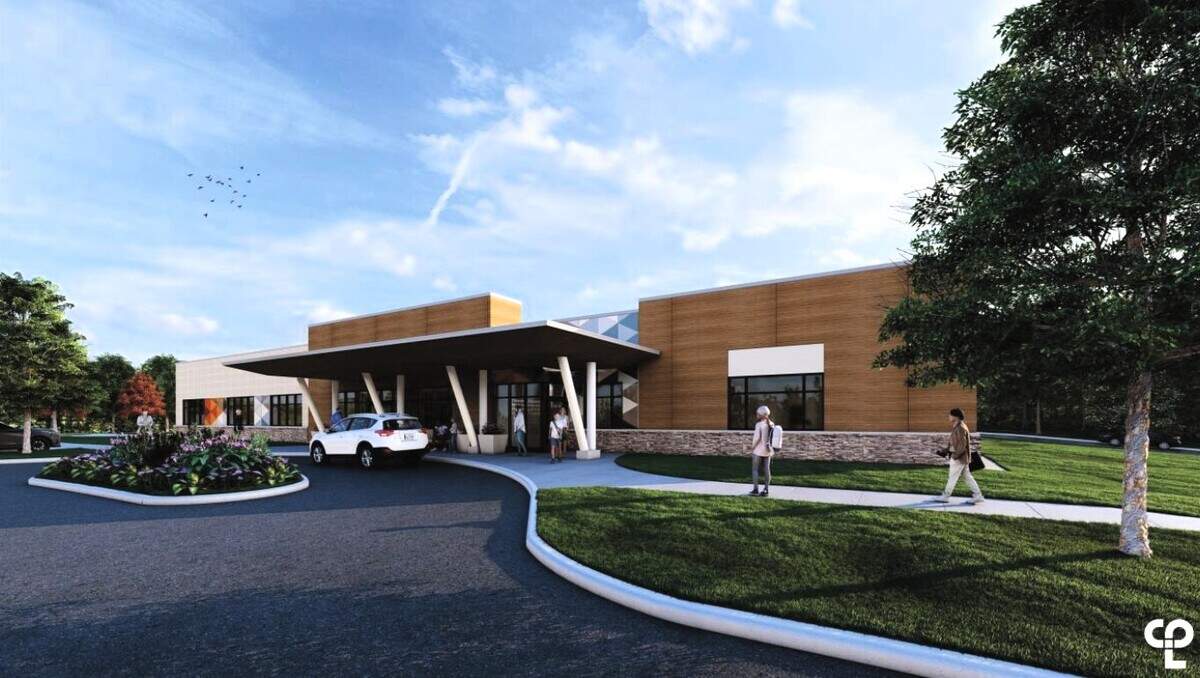
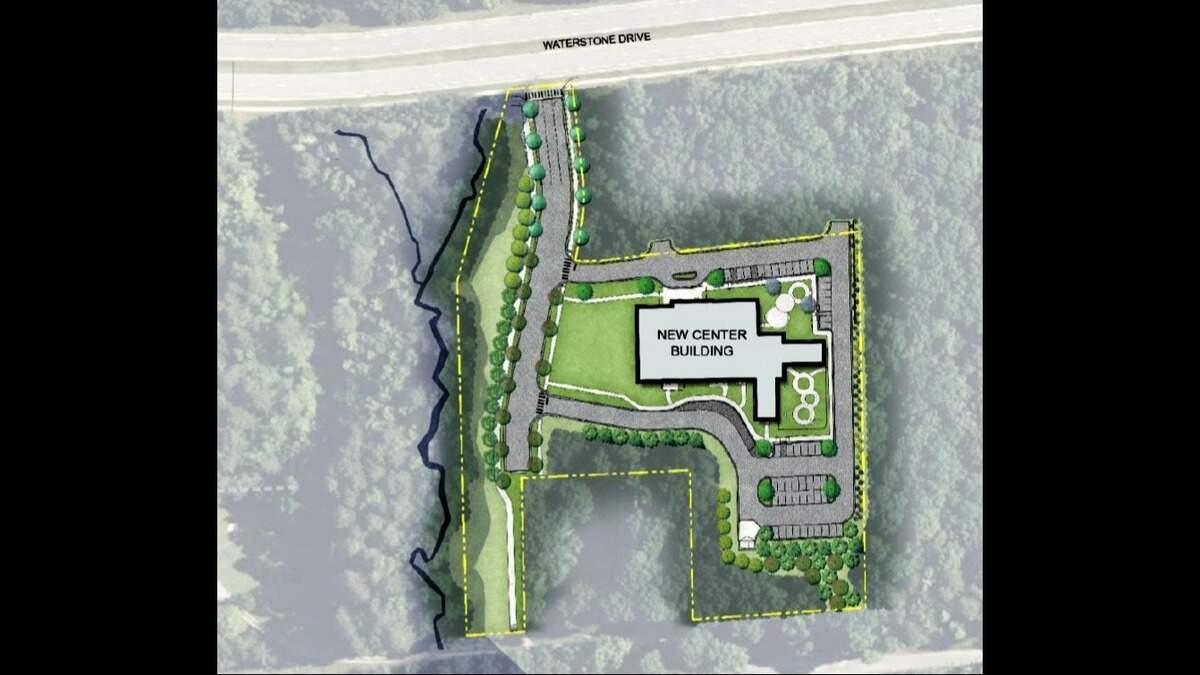
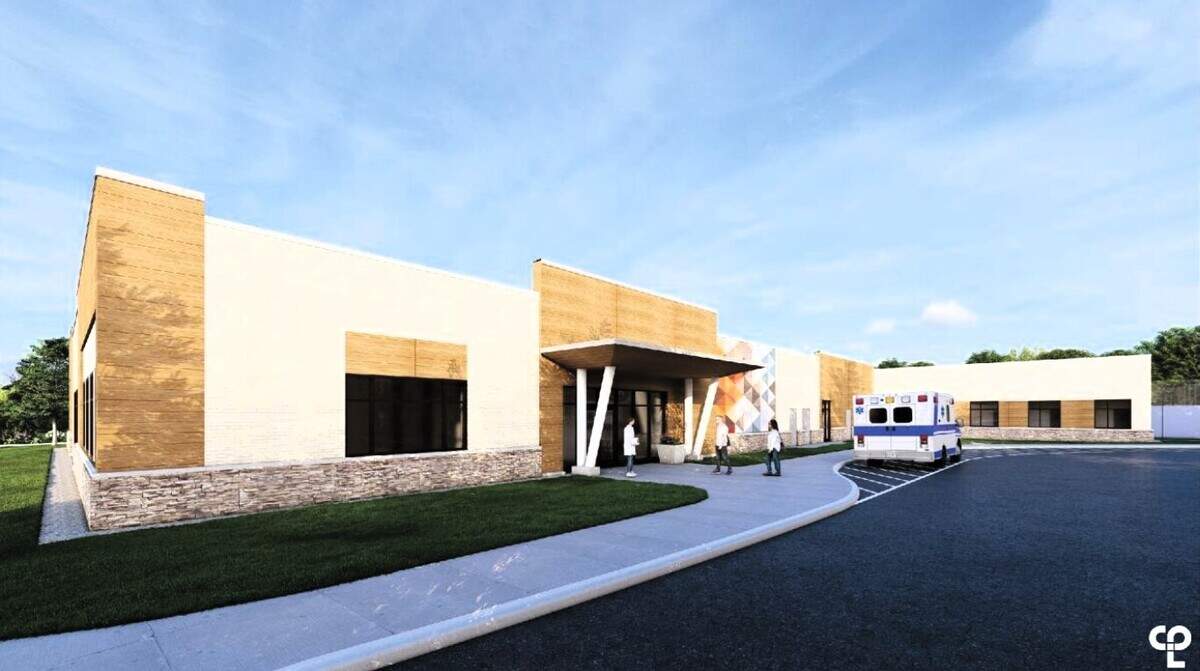
- The commissioners paid $1.35 million last year for a 5-acre tract on Waterstone Drive next to UNC Hospitals in Hillsborough. The roughly 21,000-square-foot building will operate 24/7.
- A 12-bay Behavioral Health Urgent Care unit with short-term triage, stabilization, assessment and observation services for children and adults, ages 4 and older
- A 16-bed Facility-Based Crisis unit for adults who need care for more than 23 hours.
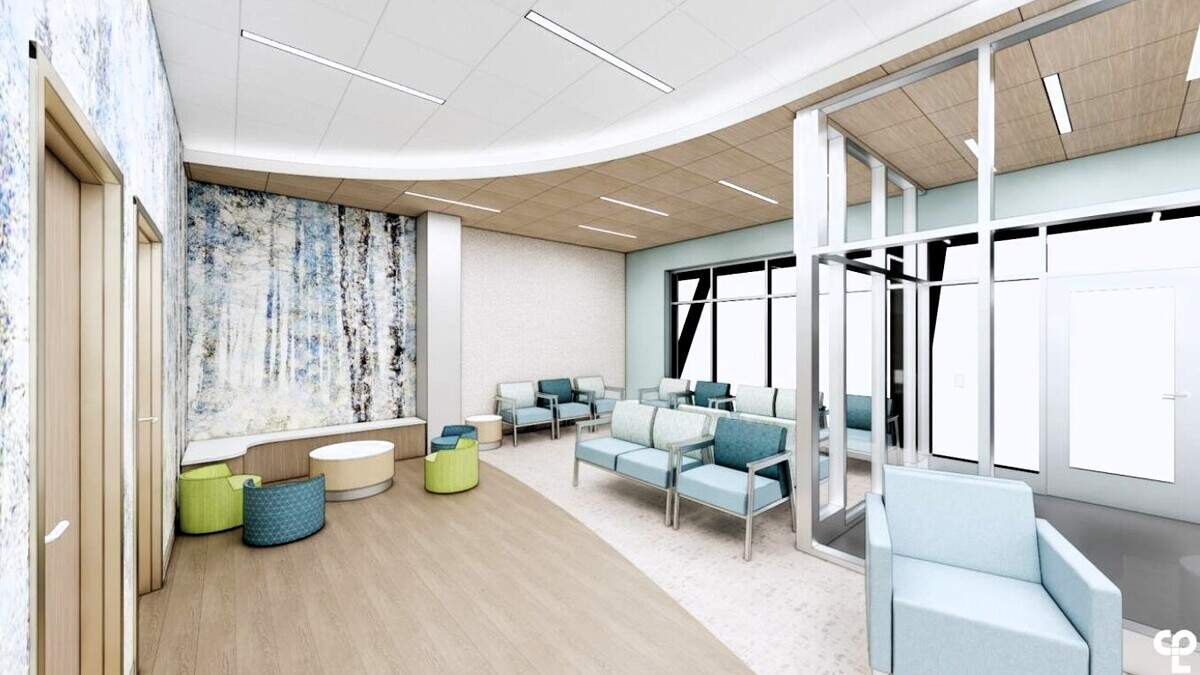
- A community wing with a peer living room and resource center, where clients can talk, read, use a computer, work on their recovery, and access services.
- A courtyard and “healing garden” in a wooded setting
- Sustainable features, including natural light, LEDs, recycled construction materials and a 274-panel solar installation expected to meet 72% of the building’s peak electricity demand.
Tammy Shaw, a peer support specialist and member of the NAMI Orange County board of directors, said that as a person who has experienced mental health issues, “it is crucial that we have this facility, because it will save lives.”
Could towns, UNC Hospitals share the burden?
The county is stretching to take on the cost of operating the facility at a time when state and federal funding, especially for social services, is shrinking, and budget gaps are growing. The county is also poised to take on more than $837 million in debt over the next decade for primarily school and public safety projects.
The Crisis Diversion Facility could cost roughly $2.7 million a year to operate, in addition to patient care costs, some of which could be reimbursed by Medicaid and insurance, County Manager Travis Myren said.
A third-party agency will provide clinical and medical services, working to stabilize patients and connect them with local programs and additional resources. Talks with a service provider in Chatham and Person counties have explored a regional center, he said.
UNC Hospitals could be another potential partner, Commissioner Earl McKee said. Commissioner Marilyn Carter encouraged staff to also talk with Chapel Hill, Carrboro and Hillsborough about sharing the cost.
Mayors of all three towns signed a joint statement of support for the facility this week.
Once construction starts, “I think that gives everyone confidence that it’s going to come to fruition and makes them more likely to come to the table for those discussions,” Myren said.
Orange County residents should be the priority, regardless of who else the facility serves, McKee emphasized. Fowler pushed back, noting Orange County patients have sought help in Durham and Raleigh since UNC closed its walk-in psychiatric clinic.
“You’re very concerned about us not funding something for other counties,” she told McKee, but ”we have been living off of other counties, and that’s not the Orange County way. We should be leading in this.”
Police, crisis teams welcome alternatives
Multiple people spoke for the plan before the commissioners voted, including Chapel Hill Police Chief Celisa Lehew, who noted county investments in crisis and CARE teams, co-responder models, and other crisis response alternatives for several years.
Every call doesn’t require a law enforcement solution, she said.
“Every day, our teams respond to people contemplating suicide, experiencing psychosis, struggling with addiction, or facing other behavioral health crises,” Lehew said. “We answer those calls because every person in crisis deserves compassion, support, and a pathway to help, but too often, after that immediate crisis is stabilized, we find ourselves asking the same question — now what?”
The diversion facility will make sure patients have ongoing treatment and follow-up care before they leave, and also help their families, said Sarah Belcher, who manages CHPD’s Crisis Division and CARE (Crisis Assistance, Response and Engagement) team.
“Ultimately, it supports a healthier, safer, and more sustainable community for all of us,” she said. “Investing in a crisis diversion facility is humane, practical and economical. It ensures that people get the right care at the right time in the right place.”