
Former Raleigh councilwoman Mary Watson Nooe was leader on gay rights, affordable housing, public art
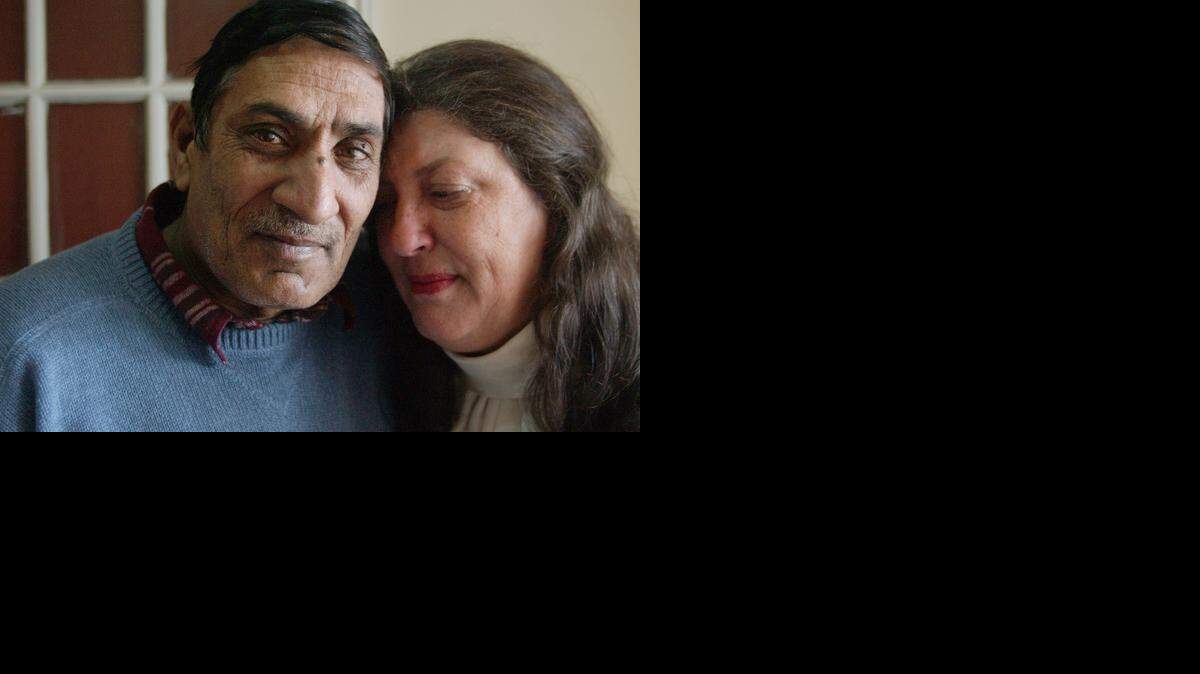
Former Raleigh City Council member Mary Watson Nooe died on Sunday at 68. Friends and colleagues described her as a woman who translated her ideals into actions, sometimes ahead of their time, that helped form modern Raleigh.
Nooe led the city in its creation of a recycling program, pushed for the protection of gay people in the workplace, and helped win funding for affordable housing and public art – but was far from predictably progressive. Nooe also was an advocate for balanced development and a neighborhood watchdog in her northeast Raleigh district, her contemporaries said.
“She knew what she thought and she wasn’t shy about it, even when it got her in trouble, and it got her in trouble fairly often,” said Beverly Manifold, a friend of four decades.
Manifold met Nooe in the 1970s, before she joined the council. At the time, Nooe ran a business called William and Mary Recycling Inc. She delighted both in upsetting expectations (some people were surprised to see a woman running the business) and in spreading the nascent philosophy of recycling, which the city government didn’t offer as a service. She also delivered eggs to some of her customers.
“She enjoyed stirring things up, and getting people to think,” said Manifold, who eventually worked for the company.
Nooe served on council from 1987 to 1995. She represented District B, in northeastern Raleigh, from 1987 to 1991 and served as an at-large member for her last term in office.
Even before her first term began, Nooe orchestrated a new policy that forbade the city and its contractors from discriminating against employees on the basis of their sexual orientation; the policy passed at her first meeting, according to fellow former councilwoman Anne S. Franklin. Years later, Nooe would receive death threats for an attempt to expand that policy, according to the archives of North Carolinians Against Racist and Religious Violence.
Nooe also was crucial in passing the city’s first municipal bond for affordable housing, Franklin said – and she personally helped people with less.
“She found a way, in many circumstances, to make their situations easier. She’d pick them up, or she’d provide a little money, or she’d make sure they got a particular service they were due,” Franklin said.
Nooe for years was a director of HopeLine, a crisis counseling service. In the 1990s, she opened her home for several years to a young refugee from Brundi, according to Jane Hunt, a friend.
“Mary Nooe was a wonderful colleague and a great friend to the citizens of Raleigh, particularly those who were disadvantaged. She did whatever she could to help,” said former mayor Charles Meeker.
Yet Nooe was keyed into the neighborhood minutiae of council work too. In the late ‘80s, she helped ban archery from small residential lots, at the bequest of people living near Durant Trail who felt threatened by one particular homeowner.
“It was my first taste of city politics, and she was very helpful,” said Councilwoman Mary-Ann Baldwin, who was one of those neighbors.
Nooe also helped save some of Raleigh’s most famous signs, like the one outside the Peace Street Krispy Kreme, from doom at the hands of city rules. That built her rapport with the business community, according to Councilman John Odom.
“Her social issues were huge – there’s no doubt about that – but she also realized that people made a living,” he said. Odom also worked with Nooe on the creation of a fee to help the city manage stormwater, he said.
Nooe made an unsuccessful bid for mayor in 1995, running against incumbent Tom Fetzer as a conservative wave swept local politics. She likely would have kept her at-large seat, despite the headwinds, if she hadn’t gone for the mayoral race, Odom said.
“She knew it was a long shot,” Manifold said. In her campaign, Nooe called for investments in transit and parks expansion. She faced criticism from some Fetzer supporters for the fact that she marched in parades for gay rights.
Raleigh’s mayor, Nancy McFarlane, said she was saddened to hear of Nooe’s passing.
“During her tenure, I had the opportunity to work with Ms. Nooe, and I always appreciated her understanding of and commitment to finding solutions for a variety of community issues and concerns,” McFarlane said in a statement.
A native of Asheboro, Nooe attended Pittsboro High School and Meredith College, where she majored in math. She was a mother of two, according to her friends.
Neither the city nor Brown-Wynne Funeral Home has given the cause of Nooe’s death.
“I was very fond of her, and it’s hard to think that she’s not going to be part of our city’s life moving forward,” Franklin said.
This story was originally published December 15, 2014 at 4:49 PM with the headline "Former Raleigh councilwoman Mary Watson Nooe was leader on gay rights, affordable housing, public art."