These groups are supposed to represent thousands. Raleigh is getting rid of them.
In a split vote, the Raleigh City Council voted Tuesday to disband the 18 community organizations that are supposed to seek input from residents on city matters.
No advance notice was given of the action, which occurred in a 6-2 vote at the end of the council’s afternoon meeting.
The boards, called Citizen Advisory Councils, will be allowed to continue for 45 days to allow rezoning cases that have already been scheduled to be heard.
Council member Saige Martin, who made the motion, said the CACs don’t represent the entire community and there are people whose points of view have been left out of their discussions.
He asked that the city hire a consultant to help create an office of engagement.
“We seek to revolutionize our civic engagement process to ensure an inclusionary, participatory, democracy, in which residents have multiple opportunities to engage as partners and co-creators of the future of our city,” Martin said in his motion.
At the council table, he asked that people remain silent while he read his motion because there have been so many people who have not been heard by the council. There are some good CACs and leaders in those organizations, he said, adding that he wants them to be apart of the new engagement process.
Council members David Cox and Corey Branch voted against disbanding the organizations.
“People are watching,” Branch said.
Cox, visibly upset, began criticizing the decision but was gaveled down by Mayor Mary-Ann Baldwin before order was restored. Before the council’s evening session began, he said he predicted this would happen and that nothing will change until the next City Council election in 2021.
“This is a dark day for Raleigh,” he said.
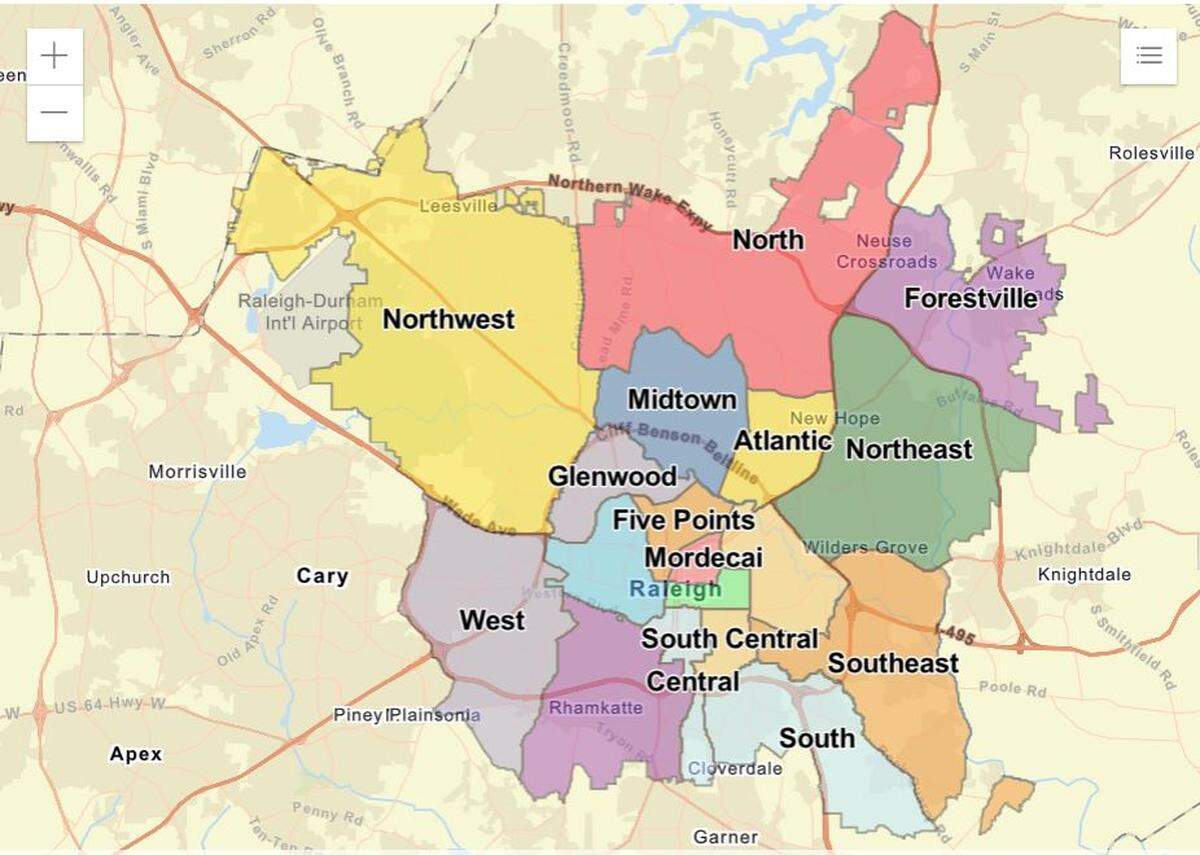
The 18 CACs each represent a different geographical part of Raleigh and range in size. They elect their own officers, they usually meet once a month and each group receives an annual $1,000 stipend from the city. The leaders of the CACs make up the Raleigh CAC, which then reports to the council. It has also been disbanded with the vote.
Created in 1974, the CACs have largely become focused on voting on various rezoning cases, but they also give people a chance to talk about changes in their neighborhoods. The meetings usually include updates on crime, parks and other departments within the city.
More than 74% of people surveyed in the city’s 2019 Community Survey had never attended a CAC meeting.
A handful of people, including former Council member Stef Mendell, spoke during the Tuesday night meeting against the council’s decision. She asked for those who support CACs to stand, with about 40 people rising from their seats.
Michael Lindsay compared the council to President Donald Trump and the impeachment process, and said he’d never seen anything as dishonest on the local level.
“You’re throwing out a process citizens have used for almost half a century,” he said. “I am sad for Raleigh and sad for your country.”
This story was originally published February 4, 2020 at 5:38 PM.