A danger, a pet or both? Raleigh debates new rules for wild animals.
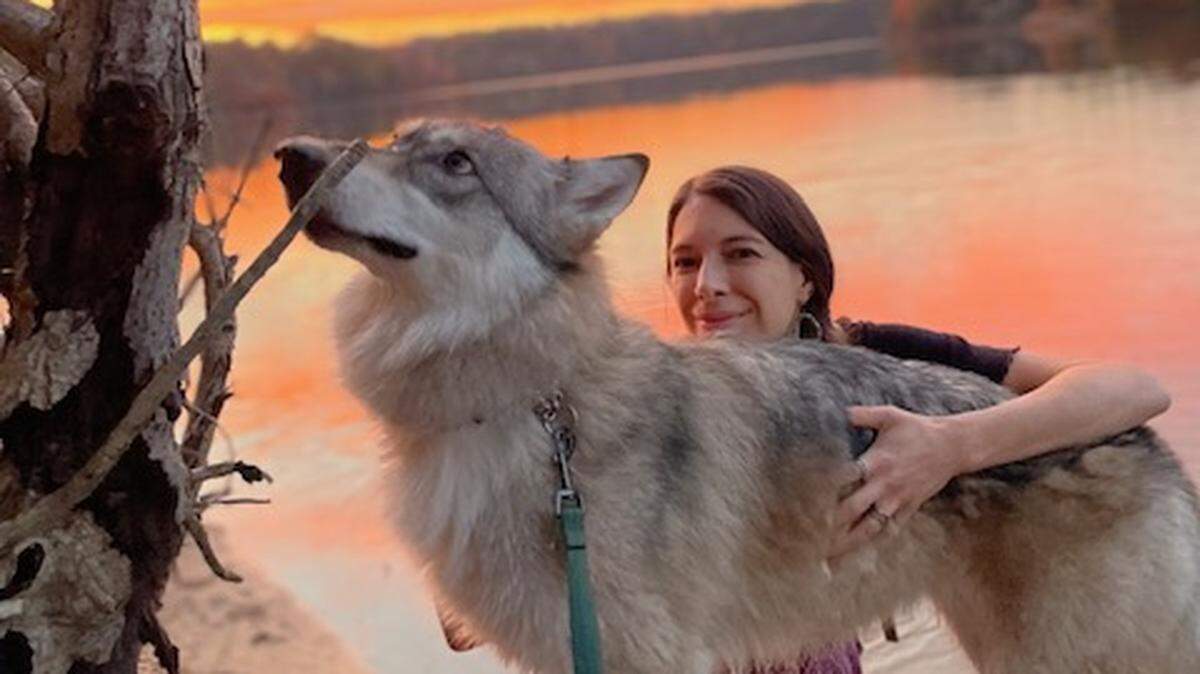
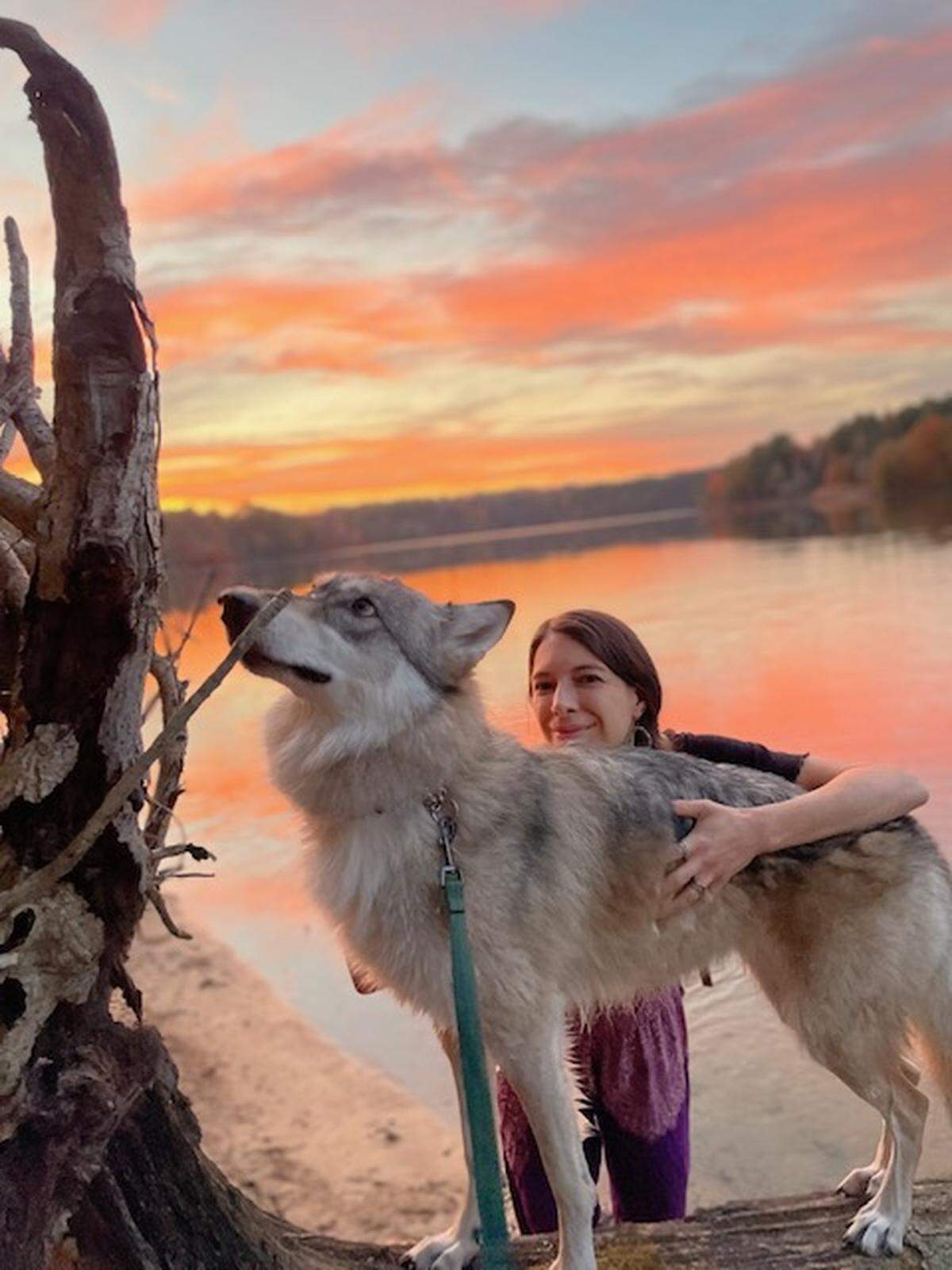
Lindsay Winthrop bought her home with her pets in mind.
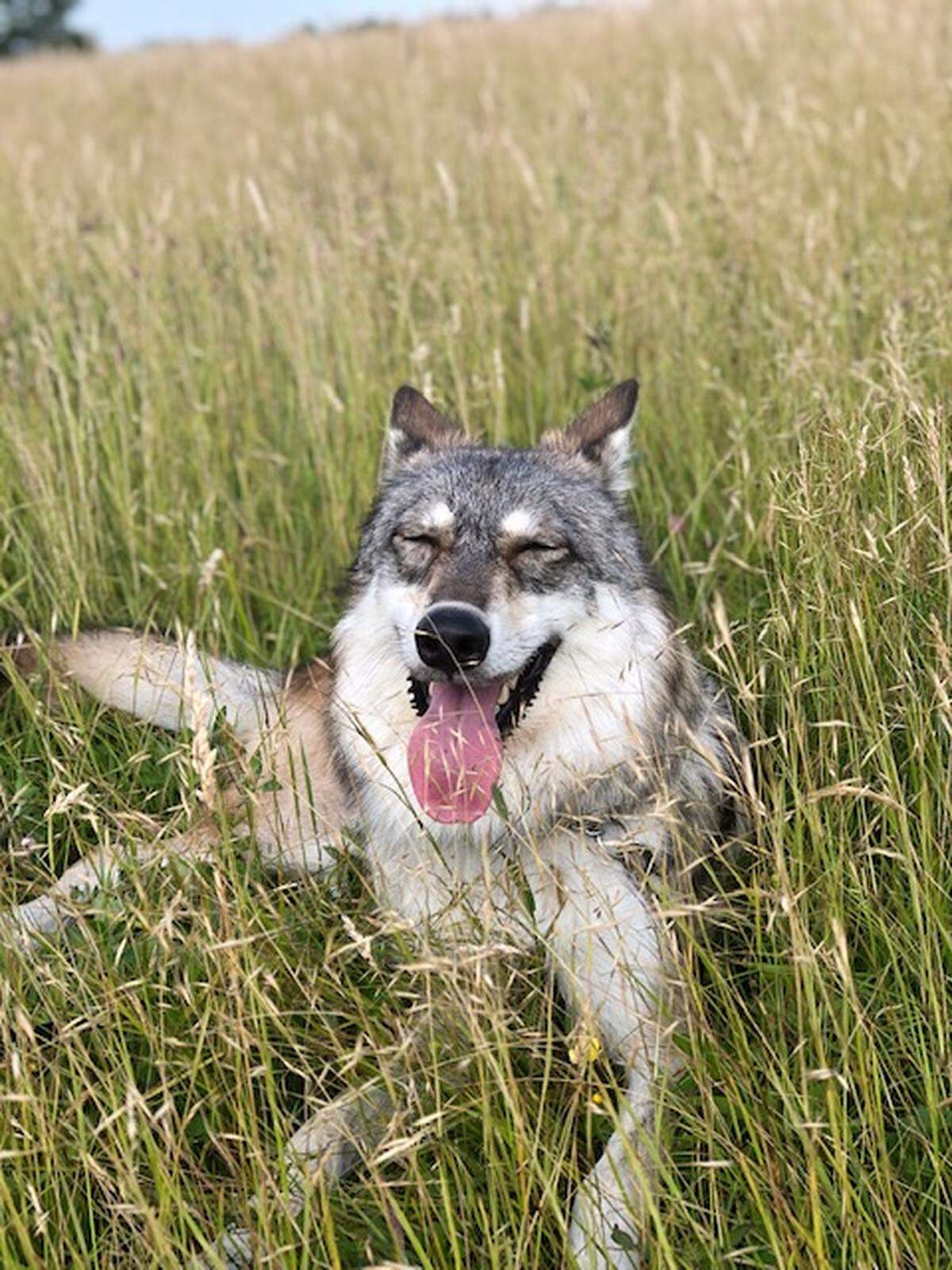
Specifically her wolf-dog hybrid, Ahsoka.
She settled on Raleigh, believing it was a place where she could safely and legally keep her pet. But now she’s worried she’ll have to leave if the city moves ahead with banning “dangerous wild animals.”
“A ban of this degree would upend our lives,” she said at a recent Raleigh City Council committee meeting.
“We’ll be forced to sell our house, move and find new jobs all within a short 90-day time frame,” she said. “Disregarding the residents who have animals that currently legally live in Raleigh would be a failure to the community and the trust we placed in you as civil servants.”
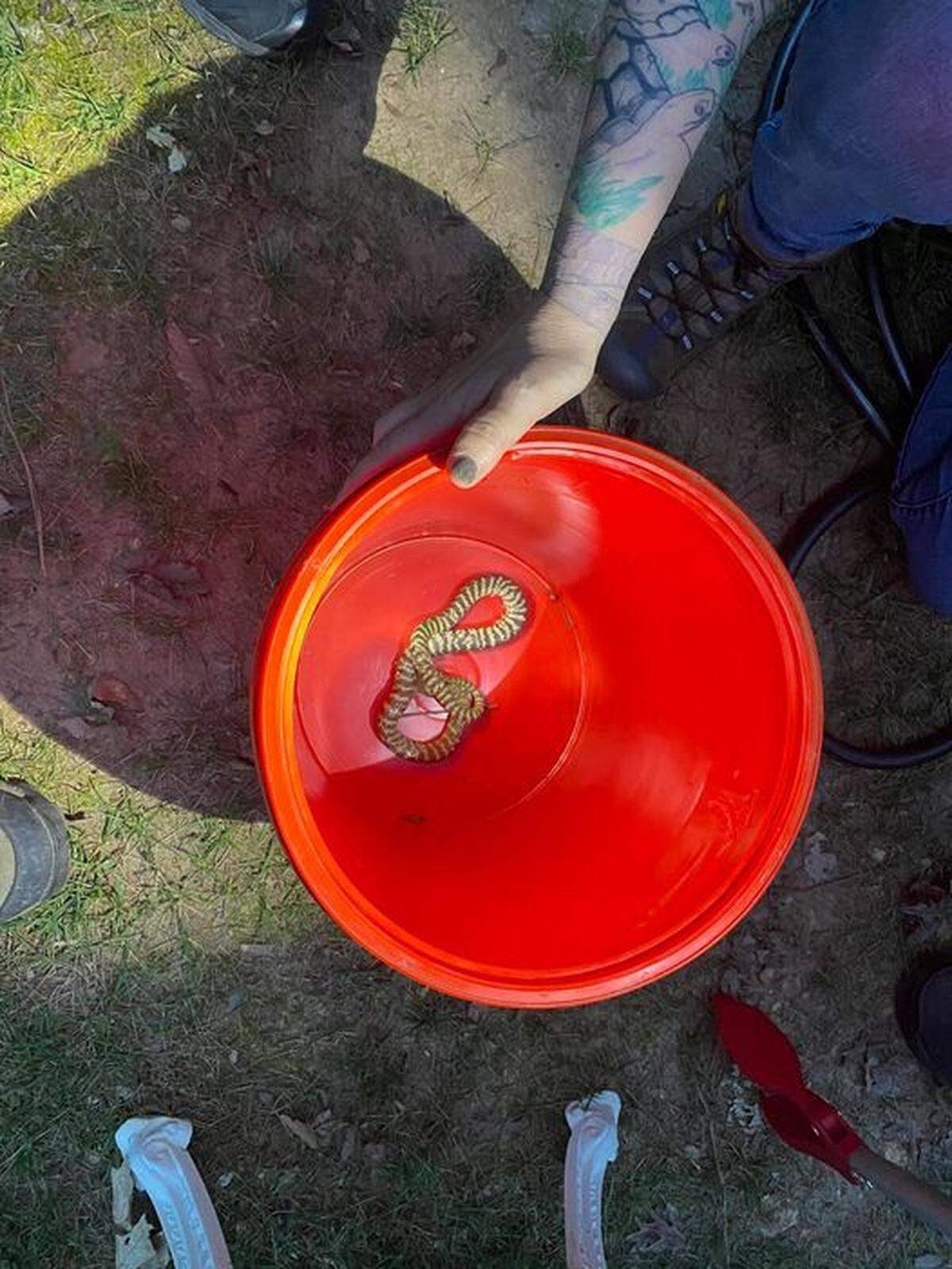
The wolf dog is one of the animals caught up in the aftermath of a venomous zebra cobra that was spotted in a northwest Raleigh neighborhood in summer 2021. The snake was caught two days later, but not before terrifying neighbors and drawing international attention to the city.
The snake’s owner, Christopher Gifford, 21, pleaded guilty to failing to report the missing snake, which originally escaped in November 2020.
Committee could not decide
The council’s Growth and Natural Resources Committee spent months discussing the proposed ban, listening to animal and law enforcement experts and gathering community feedback. Ultimately the committee couldn’t decide which option to recommend and will bring the topic back to the full City Council on Tuesday.
While the council could vote Tuesday, members will likely need more time to review the options.
Amanda Woomer said learning the zebra cobra was loose in her neighborhood for months was like finding out she lived next to a meth lab.
“It was just pure dumb luck that no one got hurt, and had someone been seriously injured or killed by that snake, I think everybody would take this a whole lot more seriously,” she said.
Council member David Knight, whose district includes the northwest neighborhood, pushed for a ban on wild and exotic animals, with exemptions for educational purposes like museums.
“I think it’s a very fair and appropriate level of qualification for people to be able to keep these animals,” Knight said at a recent meeting. “They are dangerous. They’re wild. They’re not domesticated. They can kill those people, and they can kill their neighbors.”
Winthrop, who owns the wolf dog, worries more people have animals that could be banned than the city realizes.
“These animals are part of their families and many people live here and have these animals because they are legal, and they follow the guidelines,” Winthrop said in an interview with The News & Observer.
“So this ban is unusual, in it turns law-abiding citizens into criminals in a manner of 90 days,” she said. “And to me that’s just not constitutional, and it’s not humane, and it’s not in the best interest of the community or the animals.”
The four options
The original proposal would give people 90 days to get rid of their pets, but the list of banned “wild and exotic” animals ranged from lions and alligators to squirrels and skunks.
Now the animals being regulated are “dangerous wild animals,” which means non-domesticated species normally found in the wild that are “inherently dangerous” to people or property.
The list includes, but isn’t limited to, big cats like lions, tigers and cheetahs, wolves, non-human primates, “medically significant venomous snakes,” crocodilians and any hybrid of those animals.
- Option 1 bans dangerous wild animals throughout the city regardless of how long a person has owned the animal.
- Option 2 bans dangerous wild animals but allows current pets to remain if they are registered.
- Option 3 doesn’t ban dangerous wild animals but does require the animals to be registered with the city.
- Option 4 means the city won’t enact new rules.
The rules would carve out exemptions and wouldn’t apply to animals regulated by state and federal rules.
Snakes as educational tools
Jen Davis helped capture the zebra cobra.
She can have anywhere from 50 to 500 snakes and reptiles on her property in Hoke County at a time. Some are her personal animals. The rest are whatever law enforcement agencies have seized and need a home for.
Davis has more than 30 years of experience and trains law enforcement groups and first responders on how to handle venomous snakes and how to treat a bite wound before getting someone to a hospital.
As a member of the N.C. Association of Reptile Keepers, she’s in favor of common-sense regulations
“My animals are not pets,” Davis said. “They’re educational tools. I treat them with respect. I treat them with distance. I use the proper tools. I know at any given moment that if I make a mistake it could cost me my life.”
She’s spoken as an animal expert during the council committee meetings and is in favor of option 3, which requires registering animals. Law enforcement officers need to to know what they might be walking into during an emergency, she said.
Snakes can be admired for their beauty and features, their challenges and the benefits they bring including their venom used in many modern medicines. Education has been a priority for Davis because it can help dispel the fear some people have about the creatures.
“Culturally we’ve always been taught that these animals are evil,” she said. “That they are man killers. That they’re just dangerous period. And it’s just been something that’s been cultivated.”
“I believe that education is infectious. So if I can educate one person and say ‘This is why this animal is important,’ then that one person will educate another person and hopefully several other people,” she said. “It just kind of helps to dispel those myths, those associations. Those deep-seated fears.”
This story was originally published January 31, 2022 at 2:55 PM.