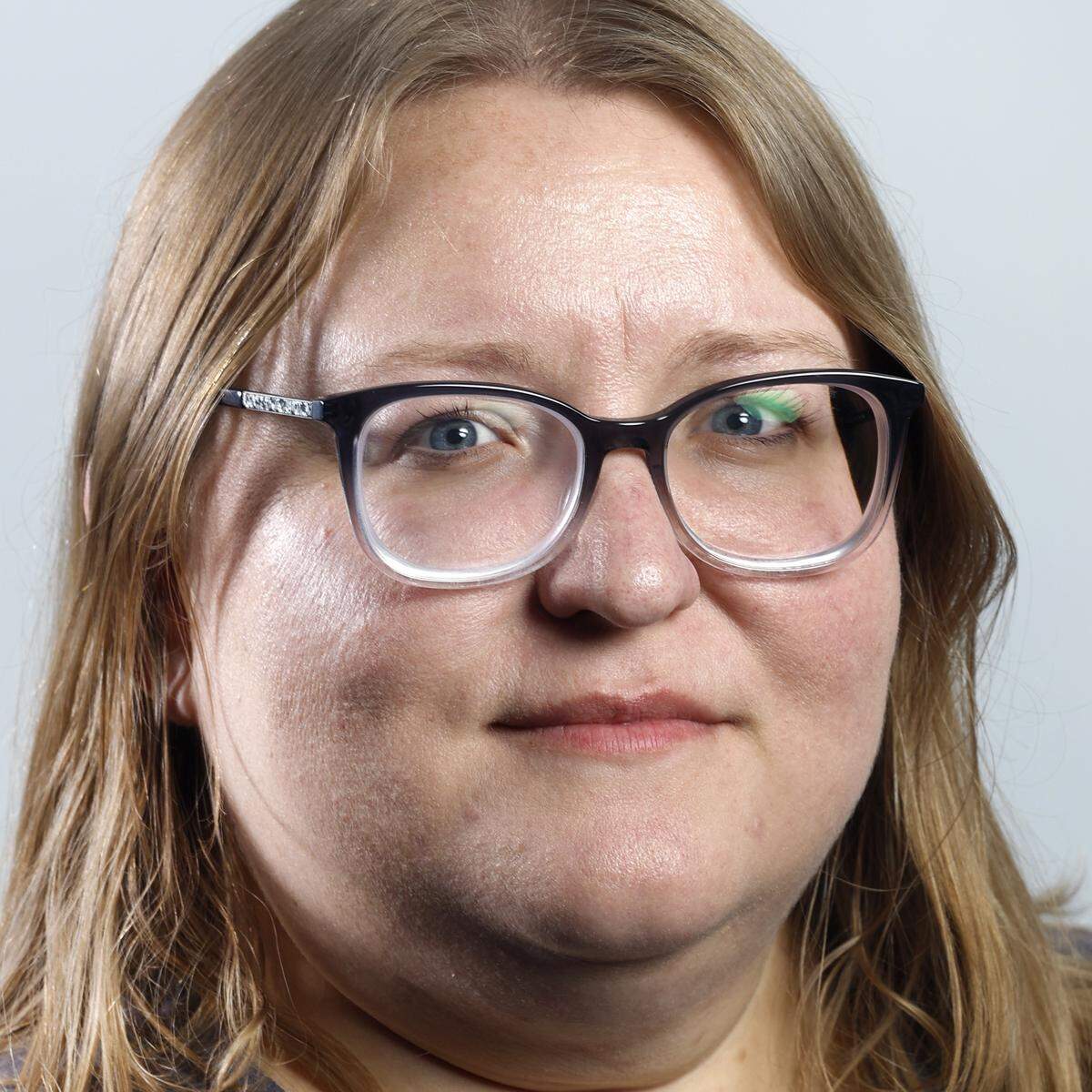
Raleigh council member, residents say city’s new election maps hurt minority voters
The Raleigh City Council approved new district maps for local elections this week, despite some residents’ concerns the maps could dilute minority voters’ power.
The new maps change the council districts for more than 10% of the city and will take effect during the 2022 elections.
The city went through an extensive public process with many opportunities for people to speak, Mayor Mary-Ann Baldwin said in an interview after Tuesday’s public hearing.
“What we’ve done is we’ve made the districts more equitable and we made some districts more diverse without impacting the effectiveness of minorities in District B,” she said. “This was the middle ground.”
The City Council approved the maps 7-1, with Council member David Cox casting the lone no vote.
ABC11, The News & Observer’s media partner, reported Cox posted in a Brentwood neighborhood Facebook page, that the new map is, “blatantly racially discriminatory.”
The guiding principles
The Raleigh City Council has eight members, including the mayor, who are elected for two-year terms.
Three members, including the mayor, are elected at large. The other five are elected from districts: A, B, C, D, and E.
The districts must be redrawn every 10 years after the U.S. census and must be roughly the same size.
At the council’s request, city staff members created three maps that balanced the population among the five districts and held meetings in December and January to get public input.
The maps were created using six guiding principles:
▪ equality of population
▪ geographic contiguity
▪ geographic compactness
▪ preservation of communities of interest
▪ incumbent protection
▪ considerations of future growth.
Two districts — District B (northeast Raleigh) and District C (southeast Raleigh) — have had “majority-minority” populations under the current maps. District B is represented by Cox, who is white, and District C is represented by Corey Branch, who is Black.
District B has a 41% white voting-age population, 31.1% Black voting-age population, 17.36% Hispanic voting-age population and nearly 7% Asian voting-age population, according to a city presentation.
Under the newly approved maps, the Black voting-age population rises to 32.5% but the Hispanic voting-age population falls to 13.4% in District B.
All told, District B goes from nearly 58% “majority-minority” to 53.45% “majority-minority” for voting-age population. And Cox, who represents District B, says the overall minority population falls from 62% to 54%.
“Why was the majority that were redistricted minorities?” he asked.
“Why were Raleigh’s minority neighborhoods the ones that were targeted for redistricting? Why wasn’t an option developed that did not dilute the minority vote in District B?
District C remains a “majority-minority” and majority-Black district. Under the approved maps, District C sees its Black voting-age population go from 54% to 53% and its Hispanic voting-age population go from 14.6% to 16.4%.
Racist gerrymandering, says critic
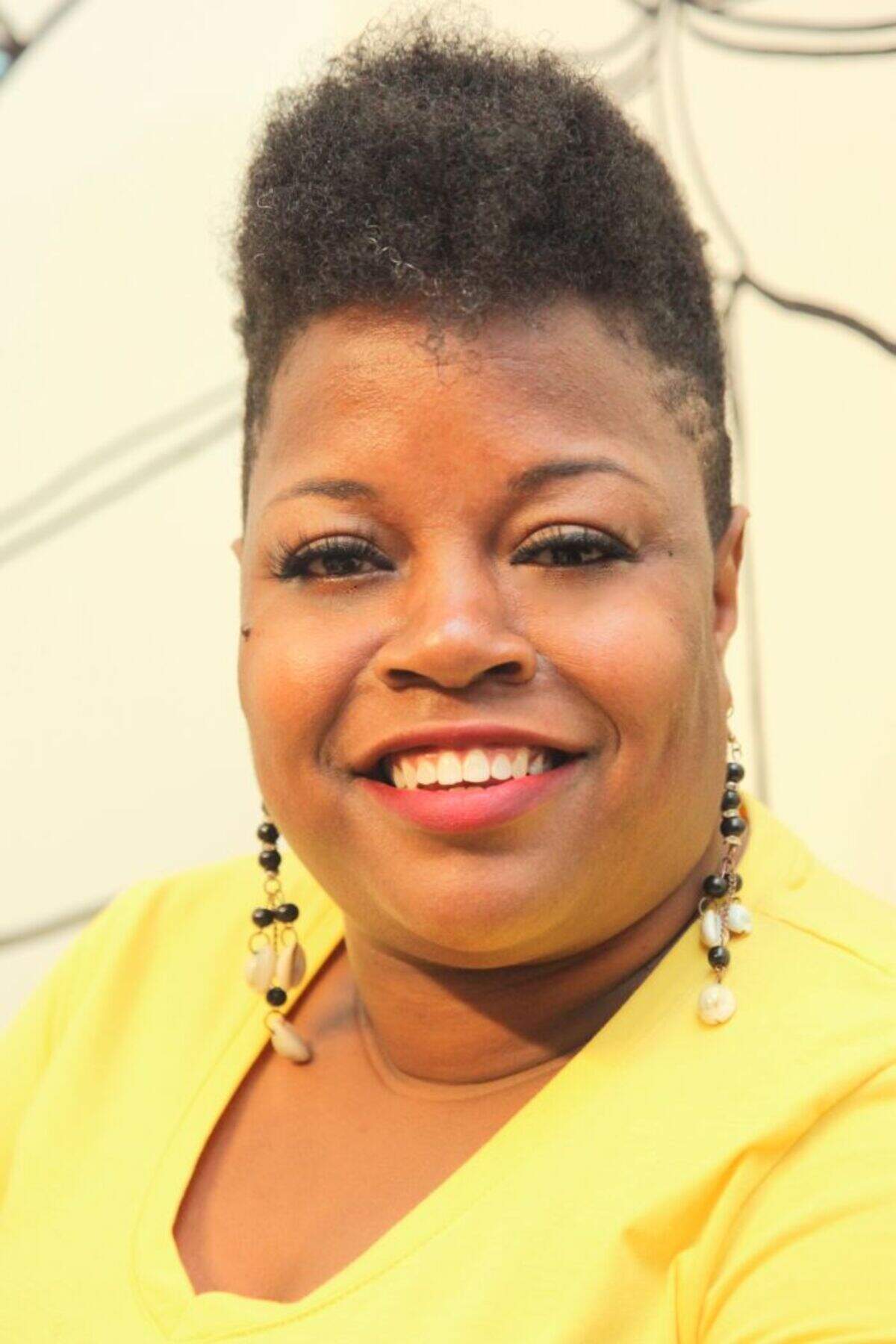
Wanda Hunter, who ran for city council in 2019, spoke against the maps during the Tuesday public hearing.
“All of them are gerrymandered,” she said. “Racism drives gerrymandering.”
Nine people opposed the new maps during the public hearing. Each speaker, some representing organizations, had one minute to talk, frustrating several as they tried to rush through their remarks.
Some speakers continued as Baldwin told them their time was up.
“This matter is important when it comes to fair maps, and the fact you have this many people here and they are only allowed to speak for one minute, that’s the issue,” said Byron Laws.
“I am representing a group that you all actually reached out to,” he said. “And I’m not trying to take up too much time. but you all asked us to speak on this matter. And that’s why I am here. Because we did the work.”
Redistricting is more than just moving people around, said Sebastian Fernandez Giraldo. The city should ensure the districts “protect the voting power of voters of color” and should follow the 1965 Voting Rights Act.
Gentrification concerns
Angeline Echeverria lives in the Brentwood neighborhood and in one the precincts that moved from District B to District A, which makes up north Raleigh.
“All the businesses on Capitol Boulevard and New Hope Church (Road) are the businesses of my community where you can see the different countries that folks come from,” she said during the public hearing.
“We deserve to be part of a district that takes into consideration the common experiences of migration, language barriers and the racial and ethnic discrimination that unites us with established Black communities in our area,” she said.
District A doesn’t reflect her neighborhood, she said.
“By moving minority voters out of District B and with the pace of gentrification in that area, I don’t think it’s going to be majority-minority for much longer,” Echeverria said in an interview after the hearing. “Because the cost of living is going so high, and a lot of the folks that are moving in are not the same folks that have been living in the area.”
At one point Hunter asked from her seat in the council chambers whether a staff member was telling the truth
“That is the truth,” Baldwin said. “Please don’t insult our staff. Please do not insult our staff.”
“He stood right there and told a lie,” Hunter said.
Baldwin banged her gavel five times.
“Would you like it if people stood here and called you a liar?” Baldwin said.
“If I tell a lie, call me what I am,” Hunter said.
‘It’s been transparent’
Council member Patrick Buffkin asked City Attorney Robin Tatum if the city is governed by the section of the Voting Rights Act mentioned by the speakers, to which she replied no.
The federal Voting Rights Act of 1965 prohibits racial discrimination in voting.
Buffkin also asked how Raleigh’s election districts were drawn a decade ago.
“It was done, I think, pretty much totally out of the public eye,” said Tatum. “And that the city attorney brought the districts to the council during the report of the city attorney (part of the meeting) and that there was not any public engagement at that time.”
Buffkin called the current maps vastly superior to the previous method.
“It’s been transparent,” he said. “It’s involved public comment. It’s been an unprecedented level of transparency into the redistricting process that used to be handled behind closed doors, without public input with districts drawn by politicians.”
He also stated the maps were drawn publicly, but they were drawn by city staff members and then presented to the public for comment.
“These maps were drawn publicly, without influence from the politicians who have to run in these districts,” Buffkin said. “And I’m proud of the work we’ve done. I’m proud of the result.”
It’s a shame, Cox said, that the Voting Rights Act doesn’t directly apply to the city.
This story was originally published March 4, 2022 at 11:15 AM.