
Battery-powered fire trucks coming to Cary. Are electric trucks next?
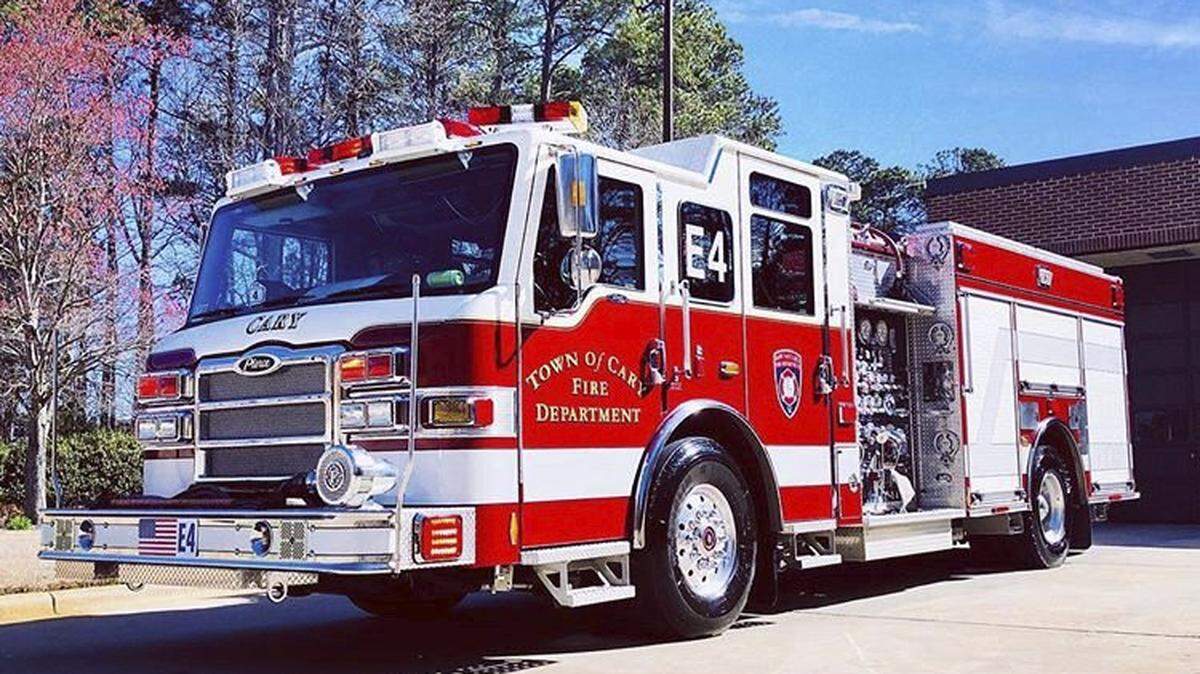
Several fire trucks in Cary will soon get an eco-friendly makeover to reduce fuel emissions and costs.
The Cary Town Council voted unanimously on Thursday to spend $324,000 toward the new innovation, a vote Mayor Harold Weinbrecht called a “no-brainer.”
“I’m so proud of staff for continuing to find new and exciting ways to not just help the environment but to do what’s right for everybody,” Council member Lori Bush told staff. “It’s fantastic. You guys are really innovative.”
The program will equip nine fire trucks with idle reduction technology that David Ranes, assistant fire chief for logistics, said lets trucks run on lithium-ion batteries instead of diesel while idling. The trucks will only use fuel when not in the idle position.
Ranes said most fire trucks in use spend a large amount of time idling, meaning the batteries will cut down on day-to-day fuel use, proving especially beneficial if gas prices continue to rise.
“The majority of our time, we’re not running fire pumps, we don’t have ladder trucks in the air. We’re idling on EMS calls, motor vehicle accidents, those types of calls,” Ranes said. “And so, that’s where the benefit here comes in.”
Implementing IRT will function as a bridge toward fully electric fire trucks, according to Ranes, and this new technology functions as part of the Cary Fire Department’s effort to become more environmentally friendly.
According to Danna Widmar, assistant town manager, the IRT will reduce fuel emissions by around 8.23 metric tons per vehicle every year.
“Since there are nine retrofitted vehicles, we will have emissions reduction equivalent to nearly two passenger vehicles per year –and that’s per vehicle – or the emissions related to energy consumption from one home, or the equivalent of approximately 10 acres of forest preserved. And that’s annually per vehicle,” Widmar said.
Each hour the batteries power the vehicles saves around 1.5 to 2.5 gallons of fuel, which will reduce costs greatly as the firetrucks operate for over 12,000 hours each year.
Using the firetruck’s battery rather than its engine while idling will also preserve engine life and reduce cost and frequency of repair, making the IRT’s return on investment approximately four to eight years Widmar said.
“So the benefits go even further as industry experts estimate that every hour of idling causes 33 miles of wear and tear on the engine of a vehicle,” Widmar said. “Since this technology replaces engine use with battery use, the engine life is extended and operational cost reduced.”
Cutting out the engine use when idling also means cutting out excessive noise, Widmar said, which promotes the well-being of those operating the vehicle.
Mayor Pro Tem Don Frantz praised the new technology and said while he appreciates the presence of fire trucks in his neighborhood, he’ll be grateful for the benefit of noise reduction.
“After about 10 minutes, you’re like, ‘Well, I’m ready for that truck to go away. It’s loud,’” Frantz joked, going on to add, “It’s just better all around.”
Pierce Manufacturing, which is the manufacturer of Cary’s firetrucks, launched IRT in 2021. The technology has been introduced successfully in Madison, Wisconsin, and Rochester, Minnesota, with the latter city reducing fuel costs by around 25% to 30%, Ranes said.
The nine fire trucks chosen for retrofitting include both engine and ladder trucks and are relatively new to increase return on investment and to ensure compatibility with the lithium-ion batteries.
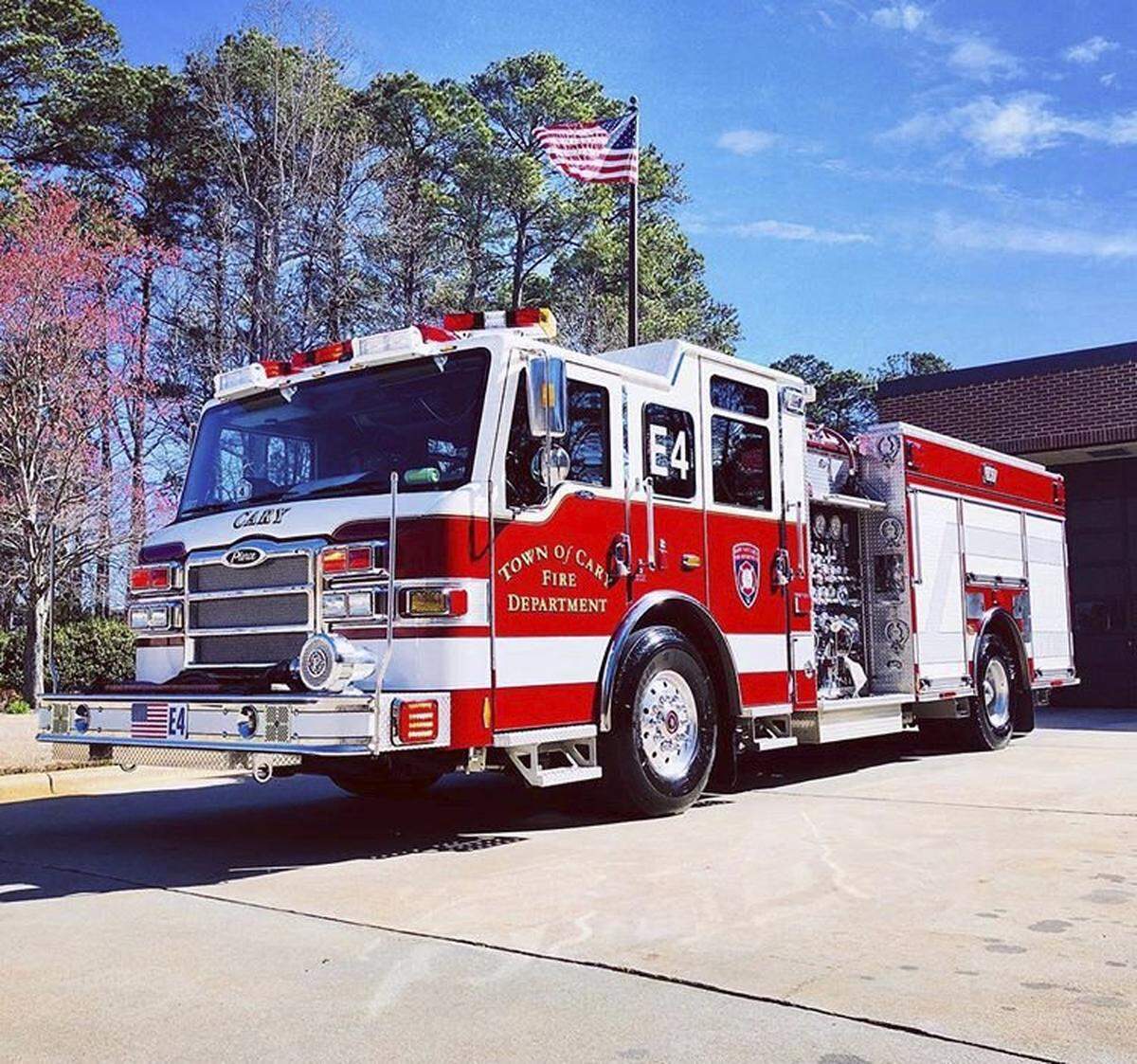
Fully electric trucks next?
According to Ranes, Pierce Manufacturing has launched a pilot program testing a fully electric fire truck.
Though Ranes said the Cary Fire Department applied for the program, an electric vehicle was instead given to Madison, Wisconsin, which has a busier fire department and is closer to Pierce’s headquarters. Nevertheless, the hope for Cary to be a part of the pilot program remains.
“I’ll say we’re on their radar for being able to pilot a truck if the opportunity becomes available before they go into full manufacturing,” Ranes said.
This story was originally published March 15, 2022 at 5:30 AM.