Raleigh leaders back new plan for neighborhoods near Dix Park
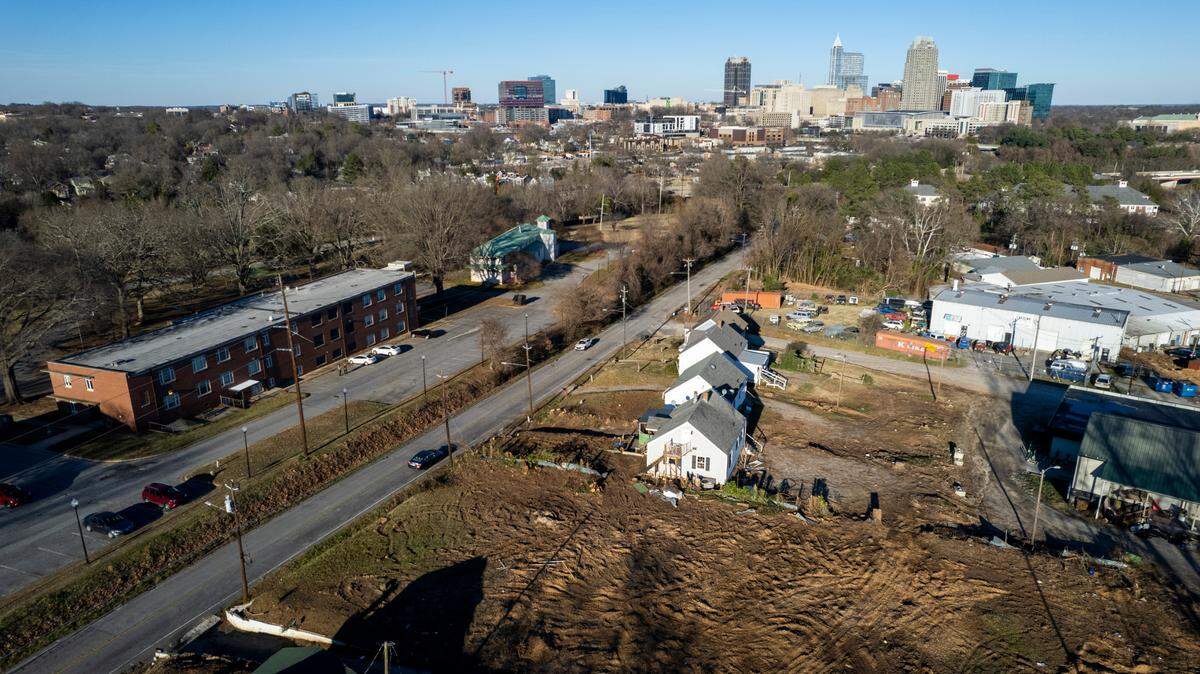
The neighborhoods around Dorothea Dix Park in Raleigh face some of the most intense development pressure within the city.
Naturally occurring affordable housing is already being lost to development at and near where the 308-acre park begins.
The Raleigh City Council voted 5-2 Tuesday to approve a new plan to address affordability, transit, connectivity and the environment along the park’s edge.
But it changed how the plan treats one street after neighbors complained.
The plans calls on the city to consider affordable housing requirements in new developments and to support programs to help keep people in their homes along the park’s edges. It also supports new bike, sidewalk and greenway connections to downtown and other parts of the city, along with protections for nearby wetlands.
The neighborhoods around the Lake Wheeler Road edge of the park are more racially diverse compared to the rest of the city and residents make less than the area median income.
Council members Mary Black and Christina Jones voted against the plan Tuesday. Council member Megan Patton was excused and absent from the meeting.
It was the second time this council has seen the plan, which sent the study to its Growth and Natural Resources Committee for further review in January. In a split vote, the committee voted to approve the study with changes to how it classifies Fayetteville Street.
Fayetteville Street concerns
Fayetteville Street, which runs through downtown, continues past Martin Luther King Boulevard and through the Caraleigh neighborhood. Under the draft plan, Fayetteville Street would have been considered a major corridor and would have allowed buildings up to eight stories tall.
Christopher Busbin, who lives in Caraleigh, spoke against the plan’s reclassification of the street.
“I have mixed feelings about this area study,” he said. “Because there are good things in there. If somebody says your neighborhood doesn’t have sidewalks, we’ll give you sidewalks. We’ll give you connections to make it easier to travel to work and travel across the city. However there are a lot of other things in there that don’t make a lot of sense.”
Council member Jane Harrison said that part of Fayetteville Street includes woods that are vital to protect for environmental reasons.
‘Doesn’t hit all the marks’
“It’s always going to be about what is the true impact of what we’re doing with housing affordability, and how we’re affecting gentrification,” Black said, explaining her vote after the meeting. “And I feel like in a large part of it this edge study hits some of the marks but doesn’t hit all the marks.”
Spending more on sidewalks and street improvements is important, she said, but it doesn’t do enough to address the displacement of people who live around the park.
Jones said she voted against the plan because she wanted more community engagement and more emphasis on outreach coming out of the COVID-19 pandemic.
This story was originally published April 6, 2023 at 8:28 AM.