Want a bigger Raleigh City Council, longer terms? Give your input Wednesday night.
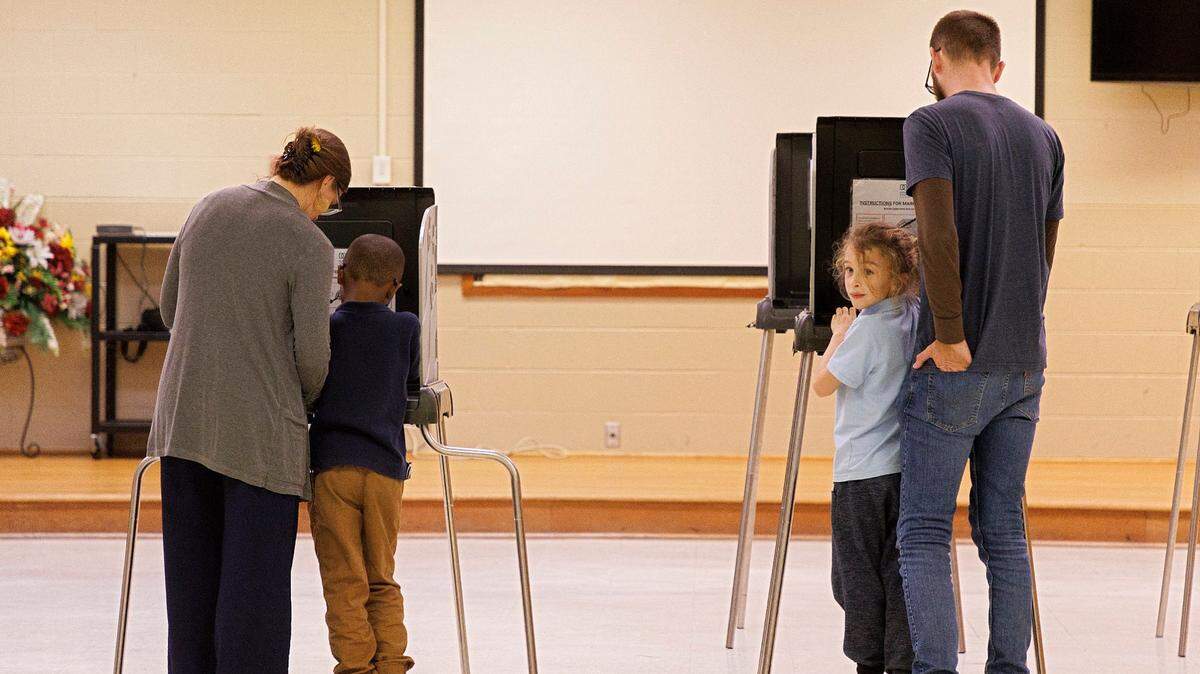
Raleigh voters could soon elect more city leaders for longer terms.
The Raleigh City Council is considering expanding its members’ two-year terms to four-year, staggered terms and changing how those members are elected.
The council could also grow from eight to 11 seats.
What could change?
The eight members of the City Council, including the mayor, are currently elected at the same time every two years. The winner-takes-all, nonpartisan plurality method means candidates with the most votes win even if they don’t get a majority of votes cast.
City leaders want to move to four-year, staggered terms. City elections would continue to be held every two years, but only some council seats would be elected each time. The election method would also change to a nonpartisan primary method, a type of election that Asheville, Durham, Fayetteville and Greensboro all use.
The recommendations came from a study group that also recommended moving to even-year elections, which took place in 2021.
In April, City Attorney Karen McDonald pulled Districts A and B, out of a Carolina Hurricanes cap to determine which two district seats would be on the ballot with the mayoral seat and one of the council’s at-large seats. The other three districts would be elected with the remaining at-large seat.
The study group also recommended adding one district seat to bring the board up to nine, but in March some city leaders asked that three potentially be added.
Why add three extra seats?
The Raleigh City Council comprises five district representatives, meaning they live and represent one geographic area of the city, and three at-large members including the mayor, who are elected by the entire city.
Each district representative has about 90,000 city constituents; adding three district seats would bring that closer to 60,000 residents.
Advocates say that would lighten council members’ load and help residents reach their local representatives more easily Livable Raleigh, an advocacy group that has been critical of some city leaders, highlighted in a blog post that at-large seats have historically been used to marginalize minority residents in Raleigh.
Critics say adding this many new district seats was not publicly discussed until late in the process. Eric Braun, the former chair of the election study group, wrote that “favoring district seats over at-large seats will erode housing affordability and risk undermining the interests of historically marginalized communities.”
The idea of adding three district seats was discussed publicly for the first time in March.
How to provide input?
Raleigh has already held public hearings on whether to add seats and move to four-year terms. And several meetings were held during the study group’s research. The city also solicited online feedback and did a survey.
People can provide last-minute feedback at a community meeting from 6-8 p.m. Wednesday, May 1, at Chavis Park Community Center, 505 Martin Luther King Jr Blvd., or by emailing the Raleigh City Council.
What happens next?
The City Council could vote on the changes as soon as May 7 and must decide its plan by May 21 or risk starting over.
The could could make the changes by updating the city’s charter or by putting the issue before city voters in this year’s election.
This story was originally published May 1, 2024 at 10:46 AM.