
20 sites in Raleigh could get LGBTQ+ historical markers. How many do you know?
In 1966 the Cardinal Room, a tavern that sold beer, welcomed LGBTQ+ people on West Martin Street in downtown Raleigh.
The now-demolished bar was reported in The News & Observer to be a site of “immoral conduct” as it was a “hangout for homosexuals and lesbians” when non-heterosexual relationships were not openly accepted.
For months, neighbors complained about the Cardinal Room, and police officers and state officials charged the owner for allowing LGBTQ people in the bar where they gathered freely in their gender-non-conforming clothes, hairstyles and makeup.
In a study completed by the city of Raleigh, the bar was among over 200 places where LGBTQIA+ people found community and safety before and after the Gay Liberation Movement of the 1970s.
The LGBTQIA+ Historic Context Study draft was released in October with a series of surveys for Raleigh residents to further narrow the list.
The effort began six years ago after Stonewall Sports, an LGBTQ+ sports organization, brought a tournament to Raleigh and realized they had no recognized landmarks to show their guests, The N&O previously reported.
“One of the goals is to recognize places important to all of Raleigh’s communities,” said Tania Tully, preservation planner for the city’s Historic Development Commission.. “Places associated with the LGBTQIA+ people in history are not yet reflected in our historic designations; this study is a first step to rectify this gap.”
Twenty locations were selected by over 50 Raleigh residents for consideration. The next steps will further evaluate the sites, develop a landmark program and present the findings to the Raleigh City Council early next year.
Raleigh’s LGBTQIA+ history
The report uses “LGBTQIA+” to refer to lesbian, gay, bisexual, transgender, queer, questioning, intersex, and asexual people. The plus sign represents the expansion of the term.
Landmark designation considers a site’s significance such as location and association with LGBTQ+ history from the 1990s and earlier. The sites are categorized as a bar, HIV/AIDS organization, women-related, profession, religious services, bookstore or allied business, healthcare, recreation, political, African American-related, or private home.
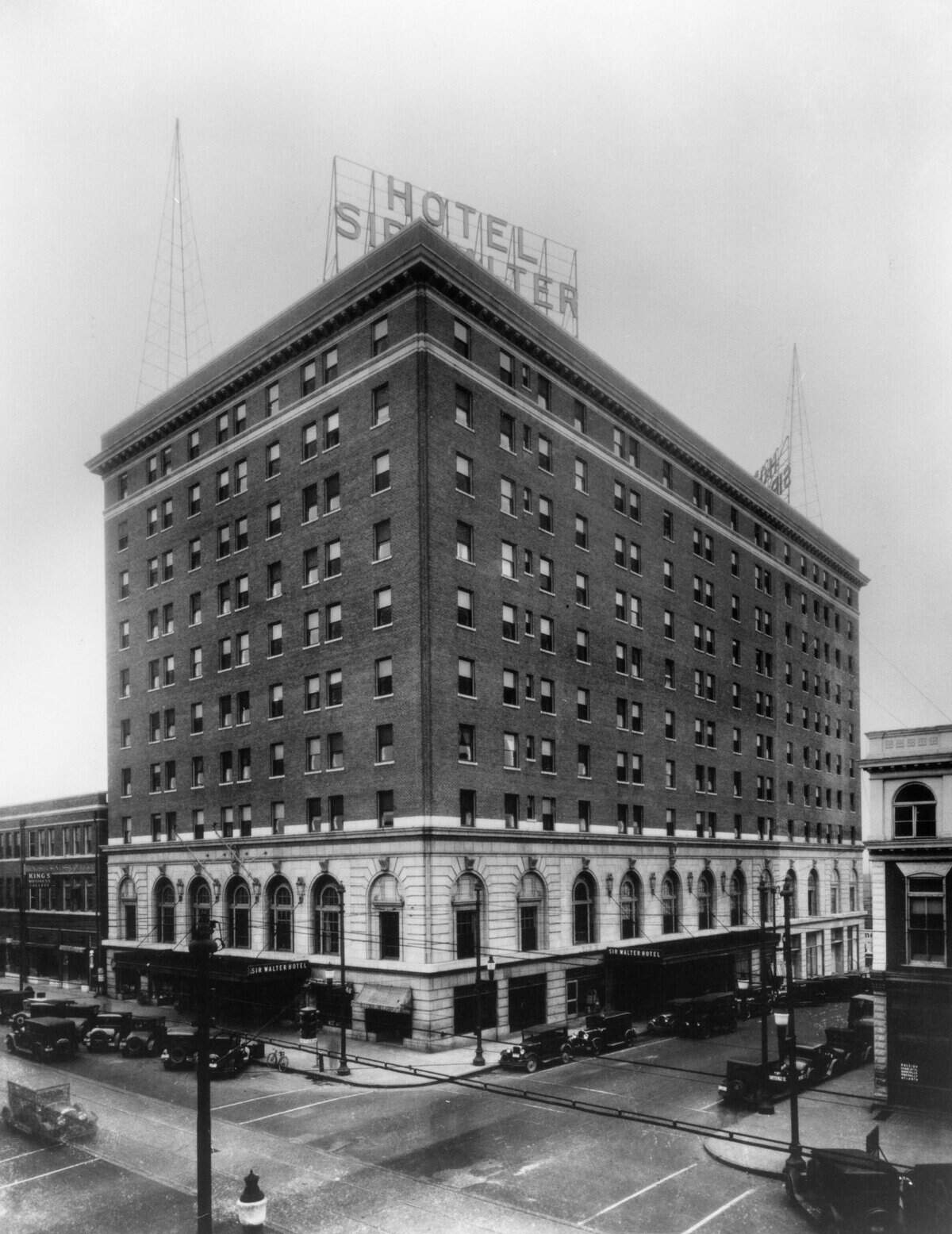
The list includes the Kitty Hawk Tavern in the Sir Walter Raleigh Hotel where gay men gathered in the 1940s and ‘50s, and the Cameron Court Apartments on West Morgan Street, nicknamed “Queens Court.”
Raleigh Memorial Auditorium, where the Black gay community held underground drag shows, is also in the report.
Still, documentation is hard to find before the Gay Liberation Movement of the 1970s made more LGBTQ+ people comfortable being out and living their truth.
One documented site, Pullen Memorial Baptist Church on Hillsborough Street in downtown Raleigh, worked to fill the religious gaps for the community, holding funerals for people who died of AIDS in the 1980s and in 1992, performing same-sex unions.
“It’s always been the churches that have been most abusive to the LGBT community spiritually, emotionally and otherwise, so for a Baptist church in the South to do what Pullen did in the early ‘80s and ‘90s was a bit of a prophetic move,” said Nancy Petty, the church’s current pastor.
“It’s important right now for cities to do the kind of work that Raleigh is doing, to say the LGBT community has been part of Raleigh for generations,” she said.
The 20 LGBTQIA+ sites under consideration
The following sites were selected based on location, street address, connection to the LGBTQ+ community, and if the physical building still stands.
- The Androgyny Center, 220 N. Boylan Ave.: LGBTQIA+ mental health services
- Cameron Court Apartments, “Queens Court,” 804 W. Hargett St.: LGBTQIA+ residences
- Capital Corral & Glitter Gulch, 313 W. Hargett St.: gay bars
- Community United Church of Christ, 814 Dixie Trail: affirming congregation and meeting space
- Flex/Fallout Shelter, 2 S. West St.: bar for LGBTQIA+ people including drag queens
- Gay & Lesbian Helpline of Wake County, 608 W. Johnson St.: emergency mental health services to LGBTQ+ people
- Hustead House, 3104 Orton Place: hospice house for people with AIDS
- J. C. Raulston Home, 318 E. Davie St.: home of NC State professor and LGBTQ+ ally
- Legends, 330 W. Hargett St.: long-running LGBTQ+ bar in Raleigh’s Warehouse District
- LGBTQ Pride Center, 2610 Cates Ave.: formerly the NC State GLBT Center
- The Mousetrap, 1622 Glenwood Ave.: location of several LGBTQIA+ bars
- Nash Square Park, 200 S. McDowell St: site of Raleigh Police Department sting operation to arrest gay men
- Power Company, 3141 North Blvd.: bar for women and African Americans
- Pullen Memorial Baptist Church, 1801 Hillsborough St.: funerals for people who died of AIDS and gathering place
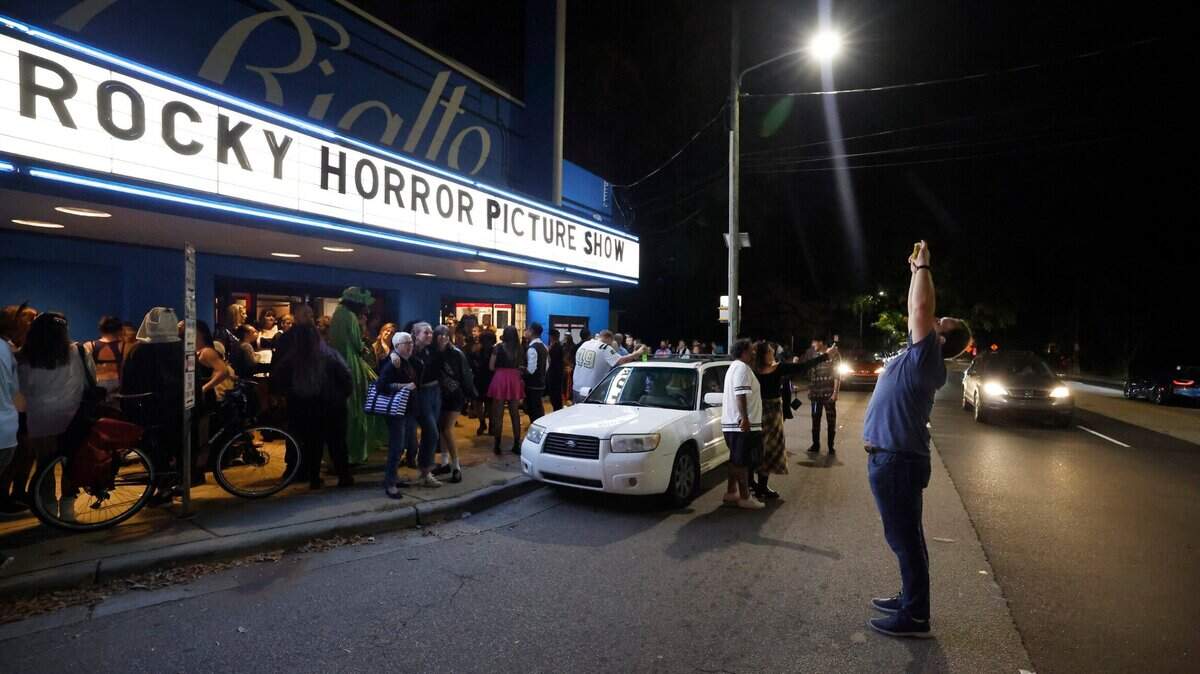
- Rialto Theater, 1620 Glenwood Ave.: home of “The Rocky Horror Picture Show” screenings
- Sir Walter Raleigh Hotel, 400 Fayetteville St.: catered to out-of-towners for discrete meet-ups
- Triangle Gay Alliance, 41 Kinsley Ave.: a communal house
- Unitarian Universalist Fellowship of Raleigh, 3313 Wade Ave: an ally for the LGBTQIA+ community
Unitarian Universalist Women’s Coffeehouse, 119 Hawthorne Road: a social gathering spot
White Rabbit Books & Things / The Front Page Newspaper, 309 W Martin St: a gay bookstore
Find the full study on the city’s website at raleighnc.gov/projects.
This story was originally published November 1, 2024 at 1:10 PM.