Wake County deputy’s career cut short by ALS. Will the county help him and his family?
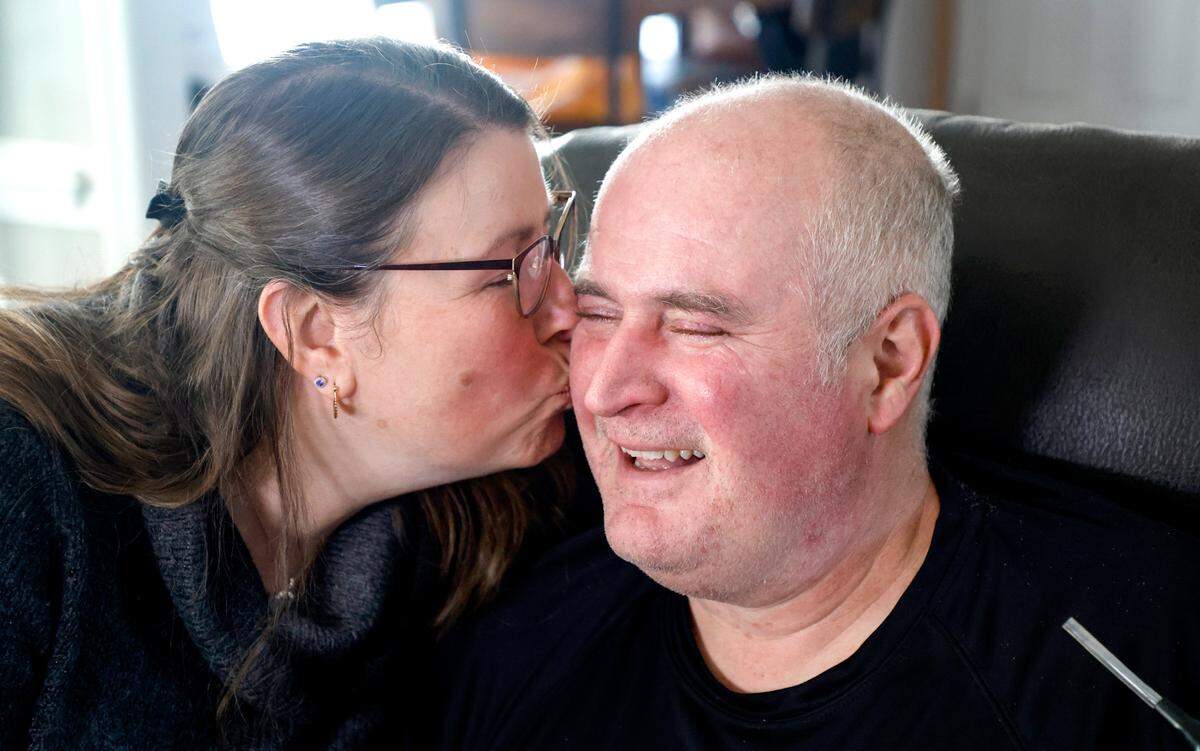
There have always been men in uniforms in Roy Woodlief’s life.
His daddy served as a Marine during the Vietnam War.
There was Ronnie Ford, a “mountain of a man” with the Garner Police Department who patrolled during Garner High School football games.
“He was an impressive figure, but it was just him in a uniform, and the way he carried himself,” that Woodlief said made him realize he, too, could go into law enforcement.
And then there was Gordon Gay with the Garner PD, who smacked Woodlief with four citations when he was a “hellion” tearing up southern Wake County on his Yamaha motorcycle.
“He took me to the woodshed,” Woodlief said. “So I sold the motorcycle, paid the fines, still didn’t have a driver’s license.”
Later, “Gordon asked me to speak at his retirement,” he said.
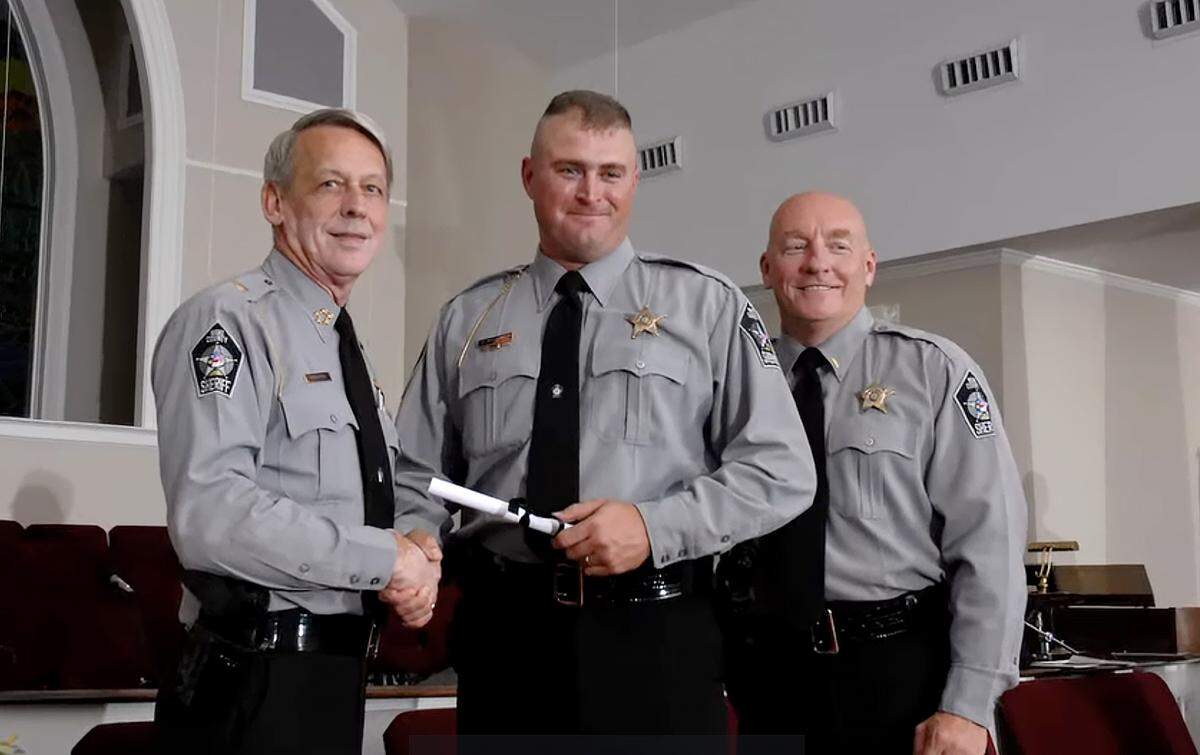
Those men were some of the reasons Woodlief served in the Wake County’s Sheriff’s Office for 20 years — a dream job he was forced to retire from in 2023.
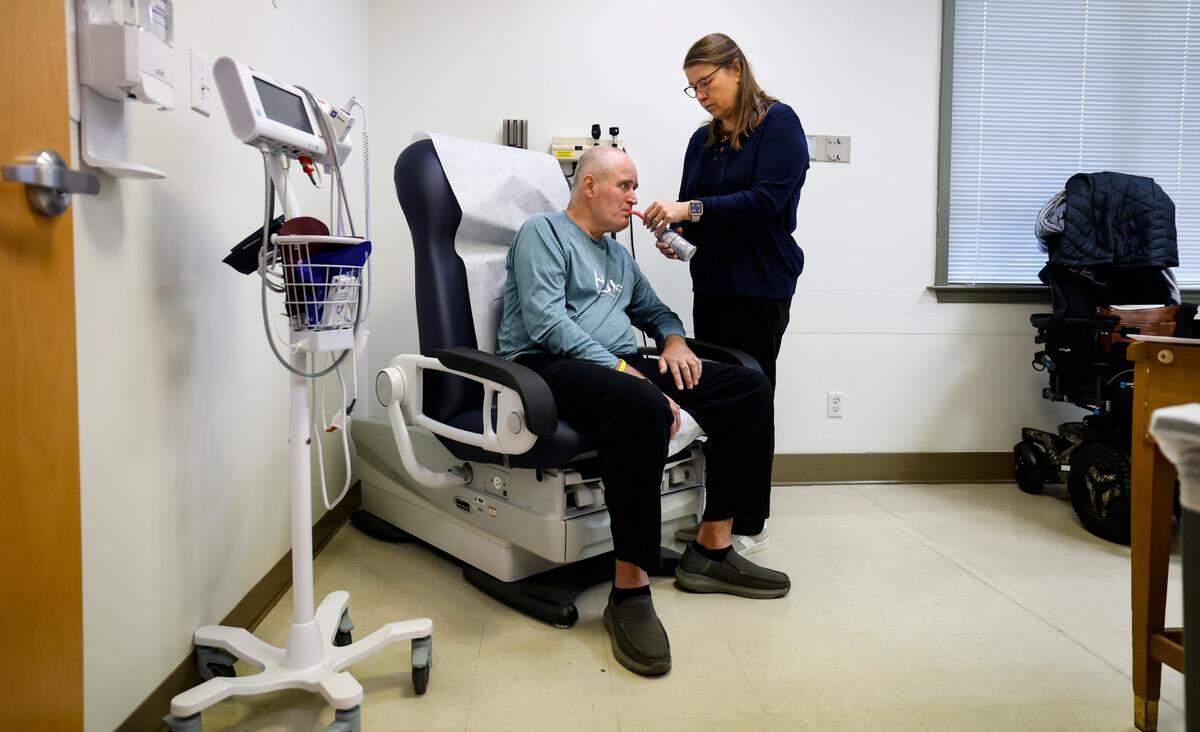
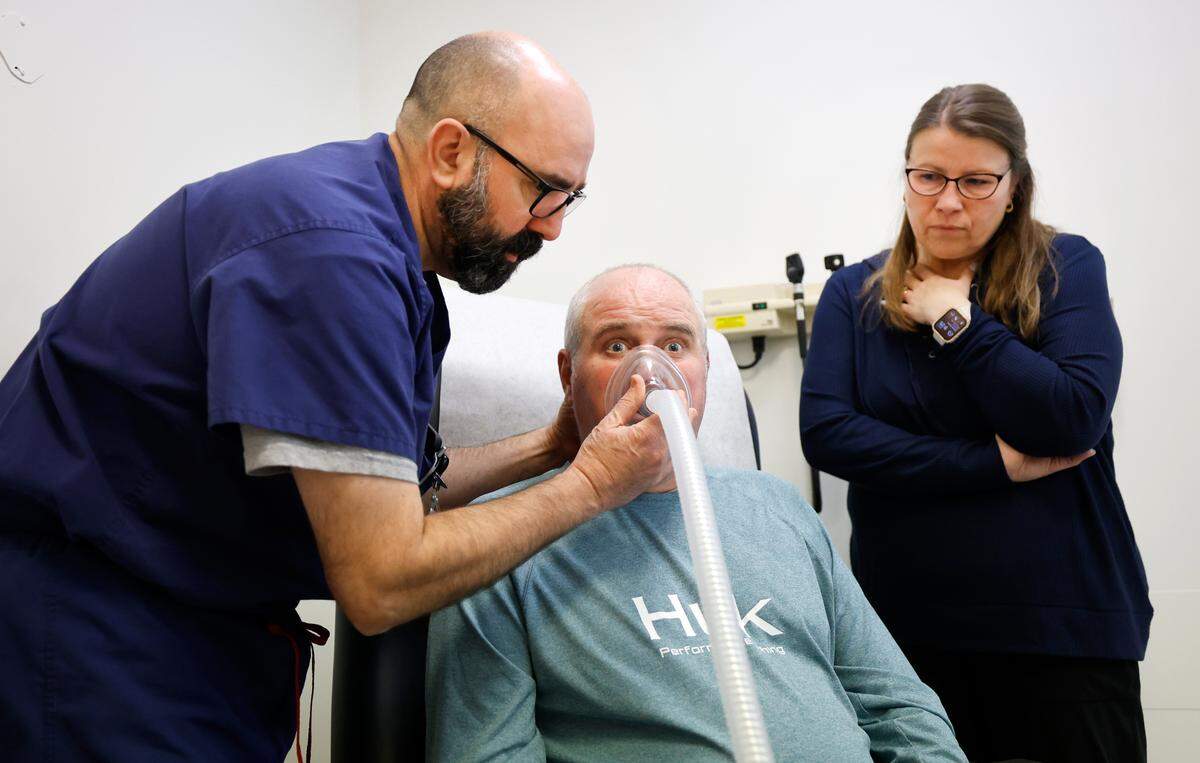
He was diagnosed with Lou Gehrig’s disease, or amyotrophic lateral sclerosis (ALS). The fatal disease causes muscle weakness, making it difficult to walk, eat and eventually breathe.
Now he’s asking Wake County leaders for help.
Separation allowance
State law allows law enforcement officers to receive a special separation allowance if they have served over 30 years or are 55 or older and have served for five years. It’s paid out at 85% of the person’s annual salary, and is paid until they reach 62 years and receive retirement benefits. Woodlief is 52.
The law goes on to say that “any local government employer, may, in its discretion, offer a lump sum separation buyout to a law enforcement officer who leaves employment prior to reaching the officer’s eligibility for a separation allowance.”
Roy and his wife, Jamie, asked Wake County to offer that lump sum to officers like him who medically retire but don’t otherwise meet the allowance specifications.
“I am absolutely heartbroken over what their situation is,” said Commissioner Vickie Adamson, who met the Woodliefs. “I have a lot of empathy for the family, and if they need anything they have my personal cell. And I hope that they’ll use it.”
She asked that the county manager and county attorney review the state laws to form an official opinion and send that information to the family.
‘Help somebody’
In a statement, Wake County said it “does not have a separate policy governing separation buyouts for employees beyond what is outlined in state law.
“At this time, there are no plans to make any changes to this approach,” according to the statement.
The Woodliefs receive some help from the U.S. Department of Veterans Affairs in covering Roy’s medical expenses. But it still adds up. The wheelchair they bought cost $28,000 but it was covered by the VA. Others aren’t so lucky.
“There are other expenses that come along with this that if we didn’t have the VA, I’m not sure how we would do,” Jamie said. “Like, we have a caregiver that comes in two hours a day and helps out, and thankfully, the VA covers that, but other people may not have that access, and how would they get that help? And that supplement would definitely help pay for that.”
“If it doesn’t help him, he wants to be able to help somebody else down the road,” she said.
‘Involuntarily removed’
Roy’s medical retirement wasn’t the first time his law enforcement career was put on hold.
It took two applications to get into the competitive sheriff’s academy. He was delivering cabinets for a home being built in southern Wake County when he got the call from the recruiter.
“She said, ‘Welcome to the Sheriff’s Office,’” Roy said. “I started yelling. I started screaming.”
The excitement was short-lived.
“I started with the sheriff’s office in August 2004 for six weeks,” he said. “I was involuntarily removed by Uncle Sam.”
He’d served for four years in the U.S. Army, getting out in 1996. He decided to reenlist just before the Sept. 11, 2001, attacks and just weeks into his law enforcement training he was deployed to Iraq. He’d have a spot when he got back. But he’d have to start the academy over.
“I was very, very sad that I had to leave under those circumstances, but going to war was also one of the things I’ve always wanted to do,” he said. “My family comes from a military background.”
‘Little Army man’
Before he deployed, his academy commandant pulled him into an office while his classmates gathered outside.
“I heard a lot of shuffling, and I didn’t know what was going on,” Roy said. “And then he had me go back out and they had made me a cake with a helicopter on it and a little Army man. They were all salutin’ me.”
He was in the Middle East for just shy of a year in 2004 and 2005, coming back to restart the academy in 2006. It would be another six years before he accomplished his goal of joining the Special Response Team, similar to a police SWAT team.
In 2023, Roy noticed a weakness in his hand during his workouts. In a training fight, he was flipped and landed on his back.

“I got up and started seeing muscle fasciculations,” Roy said. “It looks like your skin is crawling.”
It took several appointments before they could see a specialist, and even longer to get an official diagnosis.
The doctor couldn’t confirm it was ALS until they visited an ALS clinic. But all the signs pointed in that direction.
“I came down (from upstairs) to tell him that news,” Jamie said. “And we hugged and cried.”
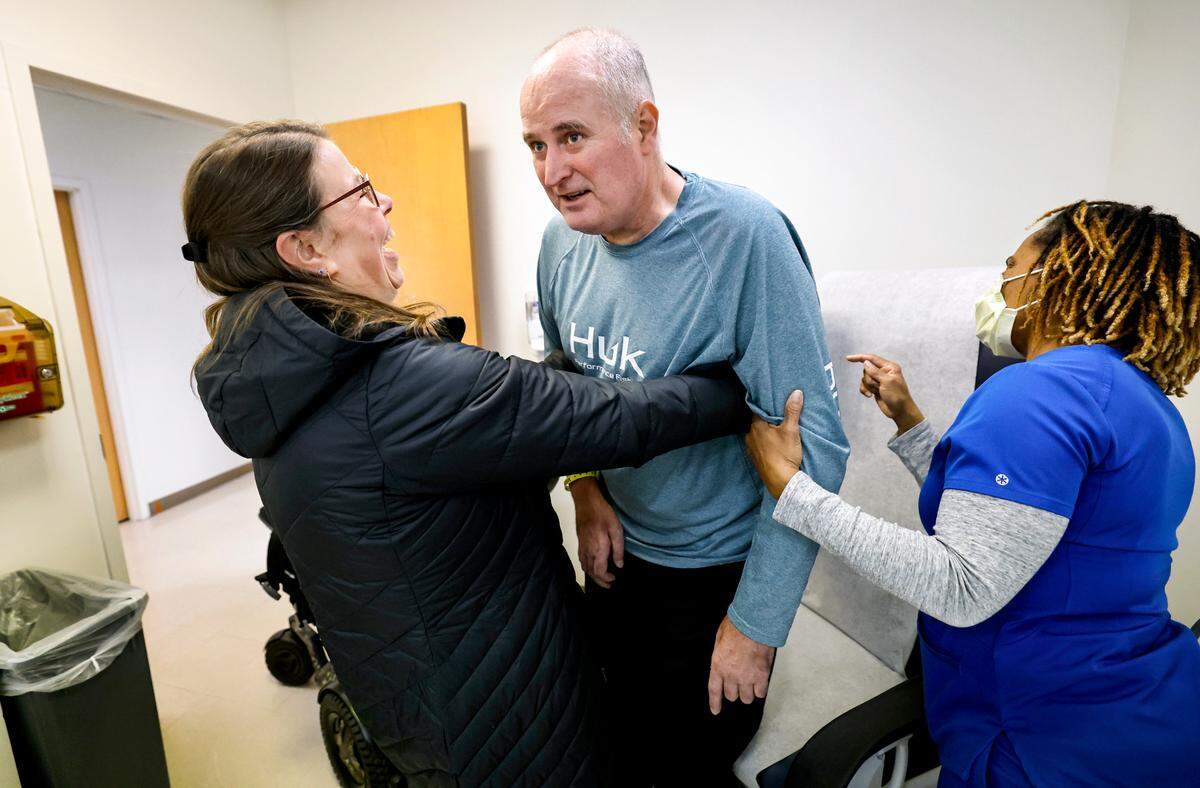
On the floor in front of their fireplace, Roy said he asked God who he should speak to and meet with in the coming months. God, he said, made sure he had the best ALS doctors and ensured the VA made quick decisions about his care.
“You can’t understate it,” Roy said. “That’s not humanly possible. That’s God.”
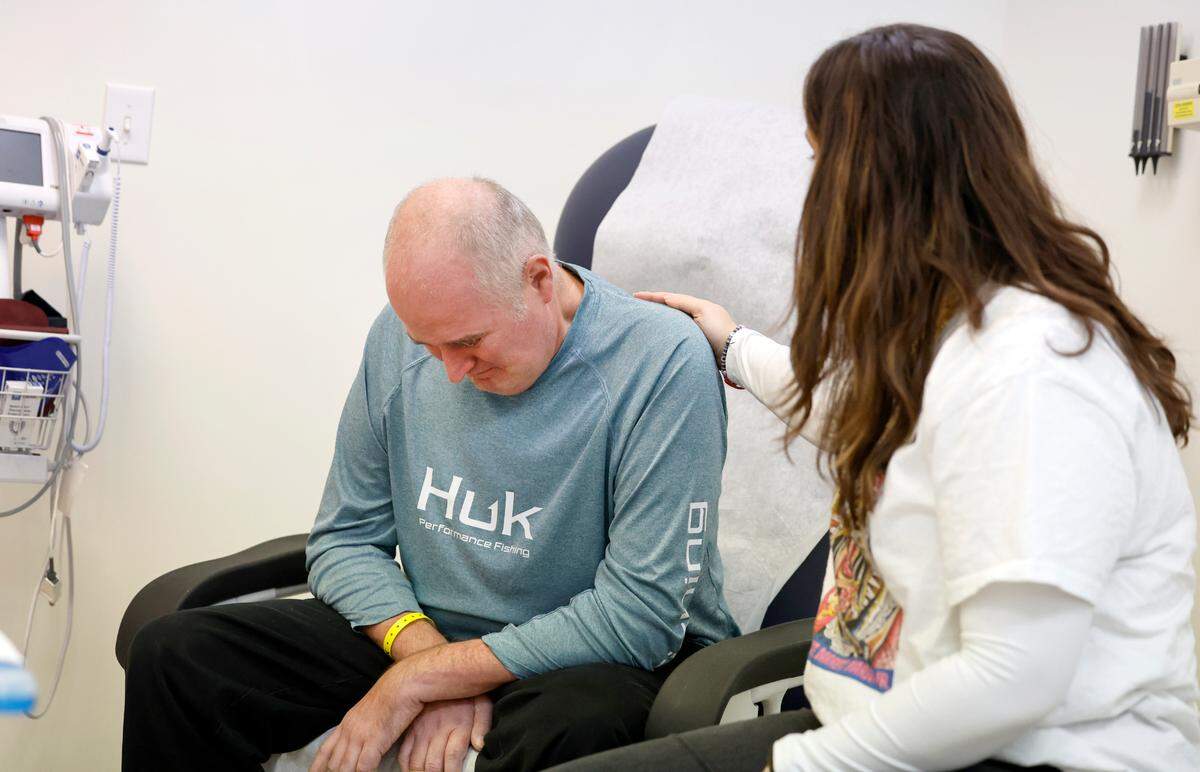
His eyes brimmed with tears again, and he paused.
“It doesn’t mean we don’t get angry, sad or frustrated,” Jamie said. “But we sure do have a peace about it.”
NC Reality Check is an N&O series holding those in power accountable and shining a light on public issues that affect the Triangle or North Carolina. Have a suggestion for a future story? Email realitycheck@newsobserver.com
This story was originally published February 3, 2025 at 8:00 AM.