
Cary housing costs too high for you? Tell the town how to spend its federal money.
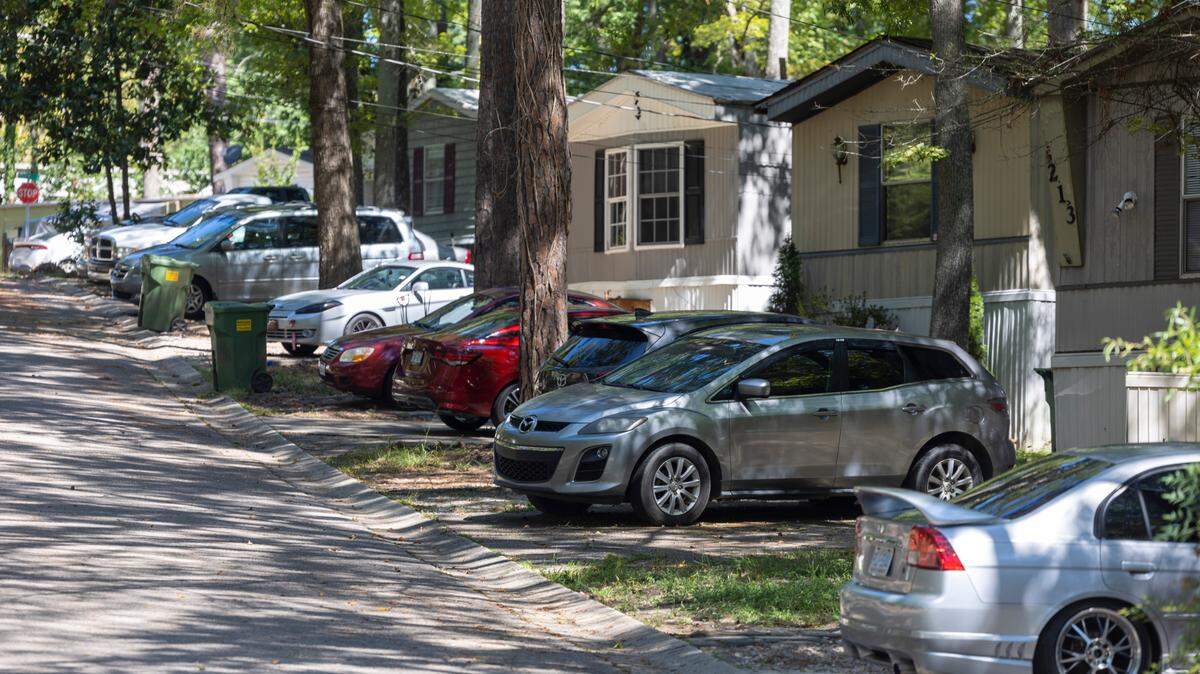
Cary voters rejected a housing bond referendum in November, but they can still help the town address its housing challenges.
The town is asking residents for their housing priorities, such as creating more homes and programs to assist people with disabilities, in the Cary Housing Prioritization Survey on the town’s website.
The survey is part of the town’s plan to distribute $700,000 next year — part of $3.5 million over five years — from the federal Department of Housing and Urban Development.
The town seeks input like this every five years and combines local and federal dollars to fund housing initiatives.
Wesley Spears-Newsom, associate pastor of Greenwood Forest Baptist Church, already took the survey and doesn’t want people to be discouraged by the housing bond’s narrow failure.
The $30 million housing bond was on the same ballot as a $560 million parks and recreation bond, which also failed.
“I think it was difficult to ask for a lot of bonds after some tax increases, but I think the passion is still there for more housing,” Spears-Newsom said. “Our housing supply is lower than the demand, and we need more housing. … We’re obviously also, like everywhere else, the shortest on affordable housing.”
‘Housing that matches wages’
The average home sale price in Cary is $625,000, according to Redfin which estimates home prices in the town increased 3.2% last year.
On average, renters are paying over $1,400 for a one-bedroom apartment in the town.
Over the last 10 years, Cary has also lost about 4,000 housing units that cost under $1,000 a month to rent. As developers prime the area for new projects, many long-term residents are feeling the pressures of being priced out.
The average individual income in Cary is around $58,500, according to U.S. Census data.
Leslie Covington, the executive director of The Carying Place, helps working families experiencing homelessness find affordable housing. She said because of rising rents, many families who have graduated from the organization’s program and found housing for a short time have ultimately had to move away from the Cary area.
“More and more of those families are having to leave the area they love, work, [where] their children are in school,” she said. “They’re having to leave to go to places where they’re not afforded the same resources, not the same safety.”
Covington said diverse housing with affordability is “paramount” if Cary wants to keep its long-term residents and welcome people moving to the western Wake County area.
“The diverse population of people who need support is growing,” she said. “The funding will grow over time, but it’s growing in a slower manner when you don’t have something like a bond.”
Hundreds of residents in the Chatham Estates Mobile Home Park near downtown Cary are fearing displacement as the property owner has placed the land up for sale. Residents there are paying as little as $400 a month to rent a lot for their mobile home.
“Chatham Estates, I think, is a prime example of the kind of thing that’s going to continue to happen as more companies move here and relocate here and raise land values and displace people,” Spears-Newsom said. “We need housing that matches wages down here.”
Greenwood Forest Baptist recently has asked the town to rezone church property at 110 SE Maynard Road for new affordable housing, a daycare, office space and community programming areas.
The idea began about eight years ago when community members would reach out to the church saying they could not pay their rent.
“So, we said, let’s just do it on our land. Let’s just do this thing instead of trying to solve a piecemeal or wait on somebody else,” Spears-Newsom said.
The Cary Town Council will vote on the request this spring.
A housing continuum
Heather Whelehan, the town’s director of housing and community partnerships, said the survey will help guide the town.
“We know that having an impactful housing strategy requires work across the whole housing continuum,” she said. “That is rental housing, it’s ownership housing. It’s investing in the housing we already have. It’s building new housing and support for people experiencing homelessness.”
The federal money Cary is getting comes from HUD’s Community Block Grant Entitlement Program. The initial $700,000 could help fund programs like Stable Homes Cary, a nonprofit partnership that helps support relocation and counseling on housing instability.
“That’s why we do (the survey) to make sure that our strategy aligns with how our community sees the needs,” Whelehan said.
Residents have until Feb. 12 to take the survey at housing.carync.gov, where residents can learn more about Cary’s housing goals.