A fungus is starving U.S. bats to death. Is there time to save this NC colony?
Wildlife officials are closely watching bats roosting in a Wake County stormwater system for signs that they could be wiped out by a life-threatening fungus spreading nationwide.
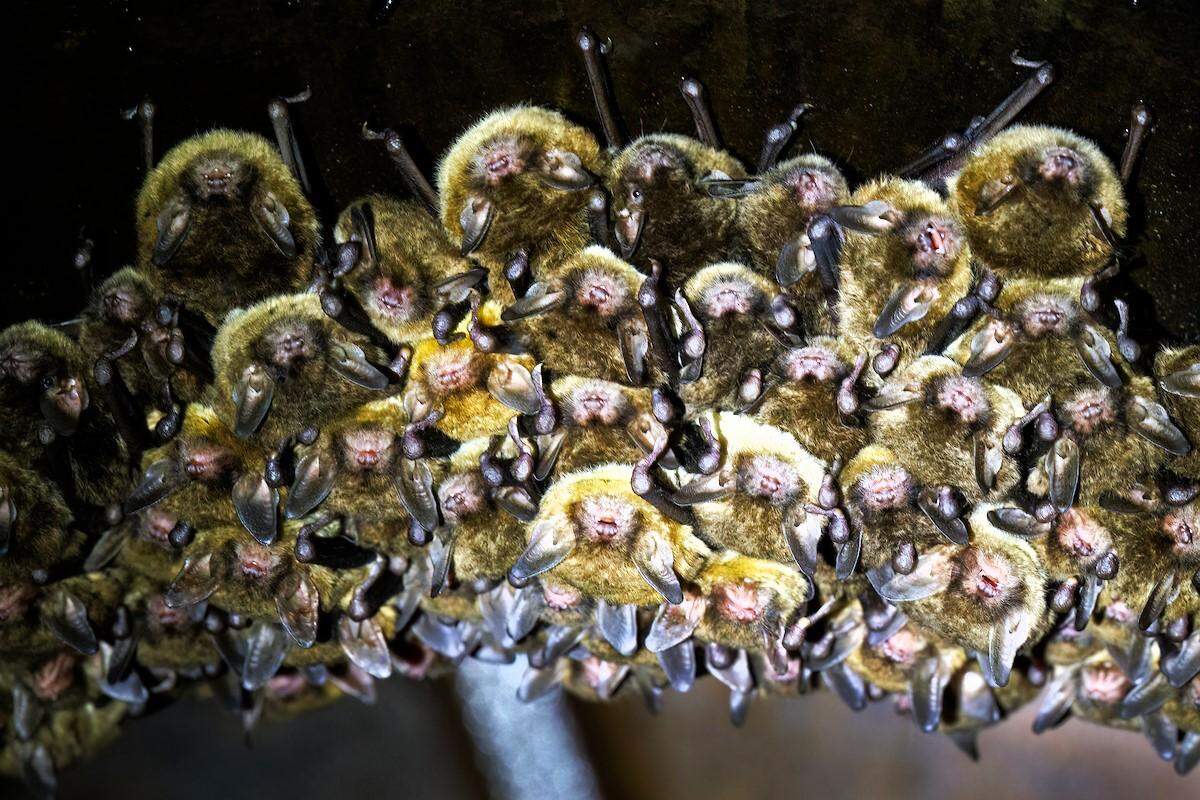
The Southeastern myotis bat is one of 17 bat species in North Carolina, growing to between 3 1/2 to 4 inches long, with a 10-inch wingspan, and living on average about 21 years.
Weighing slightly more than a quarter, the bat is covered in short, wooly fur and has long hairs extending past its claws, helping to differentiate it from other myotis, or mouse-eared, bats, said Olivia Munzer, Western Piedmont Habitat Conservation coordinator for the N.C. Wildlife Resources Commission.
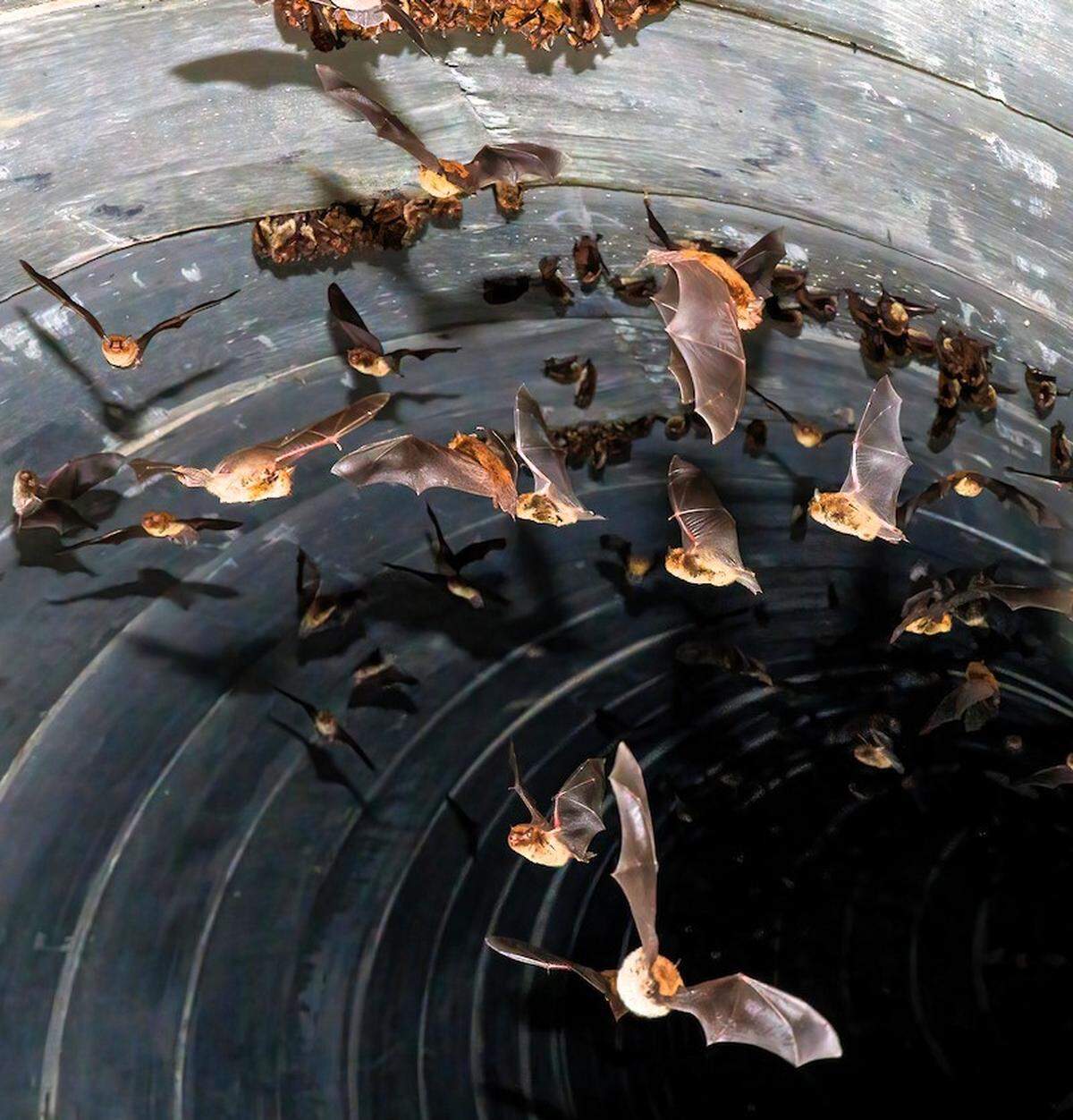
While the Southeastern myotis bat prefers hollow trees, mines and caves near water, where it can find flying and aquatic insects to eat, more are being forced to shelter in culverts and under highways because of logging and development, Munzer said.
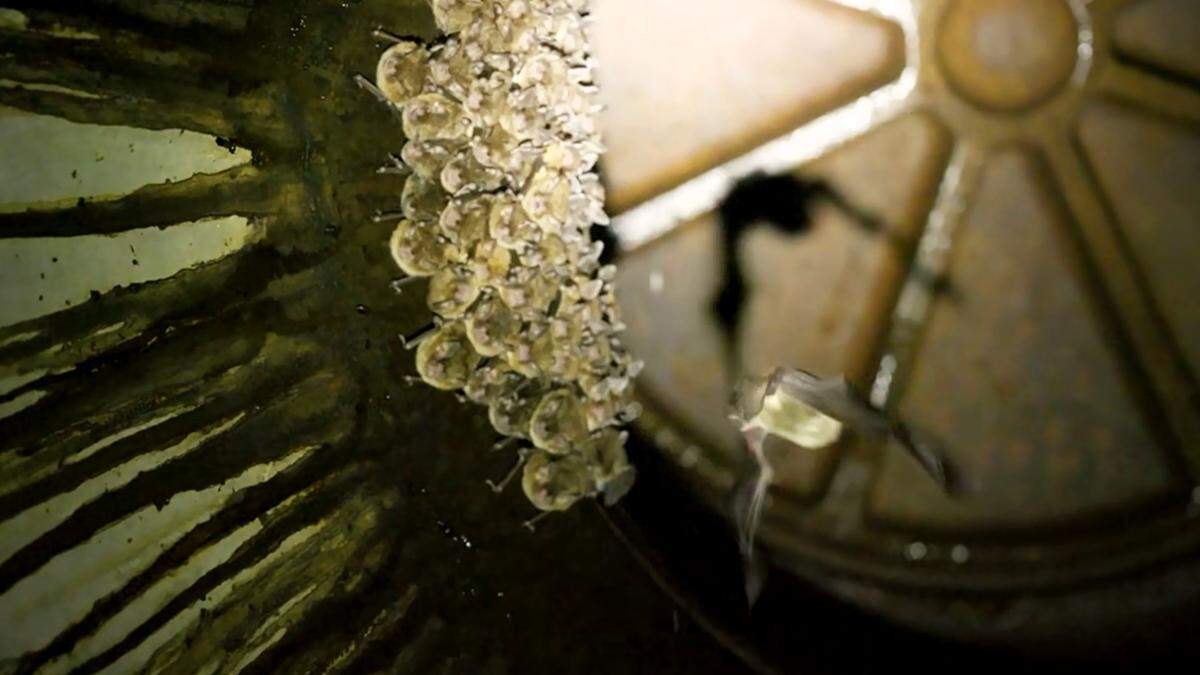
A Raleigh city maintenance crew first discovered the Wake County roost — the county’s largest so far — in 2024. So far, the bats appear unaffected by the fungus Pseudogymnoascus destructans, which causes white-nose syndrome, but the clock is ticking.
Tracking Wake County bats, disease
Wake County’s colony grows to about 1,000 bats in the summer maternity season, falling to around 125 mostly female bats during winter hibernation. Each female can have up to two pups a year.
“They do something called swarming right before they go into their hibernacula,” Munzer said. “When they come together, they eat, they fatten up, they socialize, and they breed.”
Wildlife Commission biologists have tracked the bats with radio transmitters since September, following one group of males to a smaller Wake County colony, where they appear to be spending the winter with tricolored bats.
The tricolored bats have tested positive for Pseudogymnoascus destructans, or Pd, Munzer said, and researchers have submitted samples from the Southeastern myotis bats, as well.
“We’re assuming that, because they’re using the same structure, they’ll be positive as well, and since they are going between the two structures, or at least there are individuals that are going between the two structures, that they’ll (all) end up being positive,” Munzer said.
White-nose syndrome killing bats
Pd grows in cold, damp and dark places, showing up on bats as a white fuzz — white-nose syndrome — that irritates their noses, wings and other exposed skin. The disease wakes the bats from hibernation more frequently. It disrupts their metabolism, making them more active than usual and burning fat stored for the winter.
The bats starve to death when they can’t find more insects to eat, making the disease fatal in 90% to 100% of bats living in an area where Pd is found, the White-Nose Syndrome Response Team reports.
The fungus is thought to have arrived in the United States in 2006 on the clothes and shoes of people returning from Europe and Asia. North Carolina researchers first found white-nose syndrome among bats in the mountains in 2011.
The disease does not affect humans, but it is killing bats nationwide, allowing insect populations that they fed on to grow. The Wildlife Commission reports that bats save the U.S. corn industry alone about $3.7 billion a year by reducing the need for pesticides.
Fewer bats also means less food for other predators, from barred owls to hawks, raccoons, and snakes.
Search for infections and a cure
Work is underway in Wyoming to find a cure, led by Tonie Rocke, a research epidemiologist with the U.S. Geological Survey National Wildlife Health Center, and a team from the University of Wisconsin at Madison.
The process requires dosing individual bats with a liquid vaccine made from a modified raccoonpox virus, triggering an immune response to the fungus. Scientists are exploring ways to get the vaccine to a larger population.
It takes about three years for an infected colony to show signs of the disease, they say.
N.C. Wildlife Commission staff continue to monitor the Wake County roost, while seeking other Pd-infected bat colonies across the Piedmont and Coastal Plain, Munzer said. A federal grant, if approved, could outfit them with better cellular-tracking equipment.
Homeowners can help by reducing their pesticide use and keeping their yards as natural as possible, she said. Large bat roosts, especially in culverts and caves, can be reported to the N.C. Bat Working Group.
For now, the Wake County bats that tested positive for the disease are not dying in large numbers like the little brown bats in western North Carolina. There, the Wildlife Commission reports that over 90% of the population has been wiped out.
Munzer agreed the trend toward warmer Piedmont winters may offer some hope for Southeastern myotis bats.
“We think the reason why [the Wake County bats] haven’t really succumbed to white nose … like [in] colder regions, is because they can come out on those warmer nights and forage, drink water, and then they can go back into torpor when they need to back in their hibernacula,” she said.
This story was originally published November 25, 2025 at 9:32 AM.