Wake County SPCA expands services to curb pet euthanasia
AI-generated summary reviewed by our newsroom.
- The SPCA's new building will allow spay/neuter services to double to about 9,000 a year.
- North Carolina shelters euthanized 20,000 cats and dogs in 2024.
- SPCA of Wake County will double spay/neuter capacity to about 9,000 procedures annually.
Seymour’s tail wagged excitedly and his frowny, pitbull face broke into a near-grin as he padded into a new center meant to keep pets like him healthy.
He came to Wake County from the Stanly County animal shelter, and before that was a stray.
“His body tells a story we haven’t quite been able to unravel — he’s got scars all over, his ears are ripped, and several of his teeth are fractured,” the SPCA of Wake County wrote on its Facebook page.
But whenever someone looks at Seymour, he wiggles and comes up to them for scratches.
He’s in the process of being adopted, but across the state, animal overpopulation contributes to dogs like Seymour being euthanized instead.
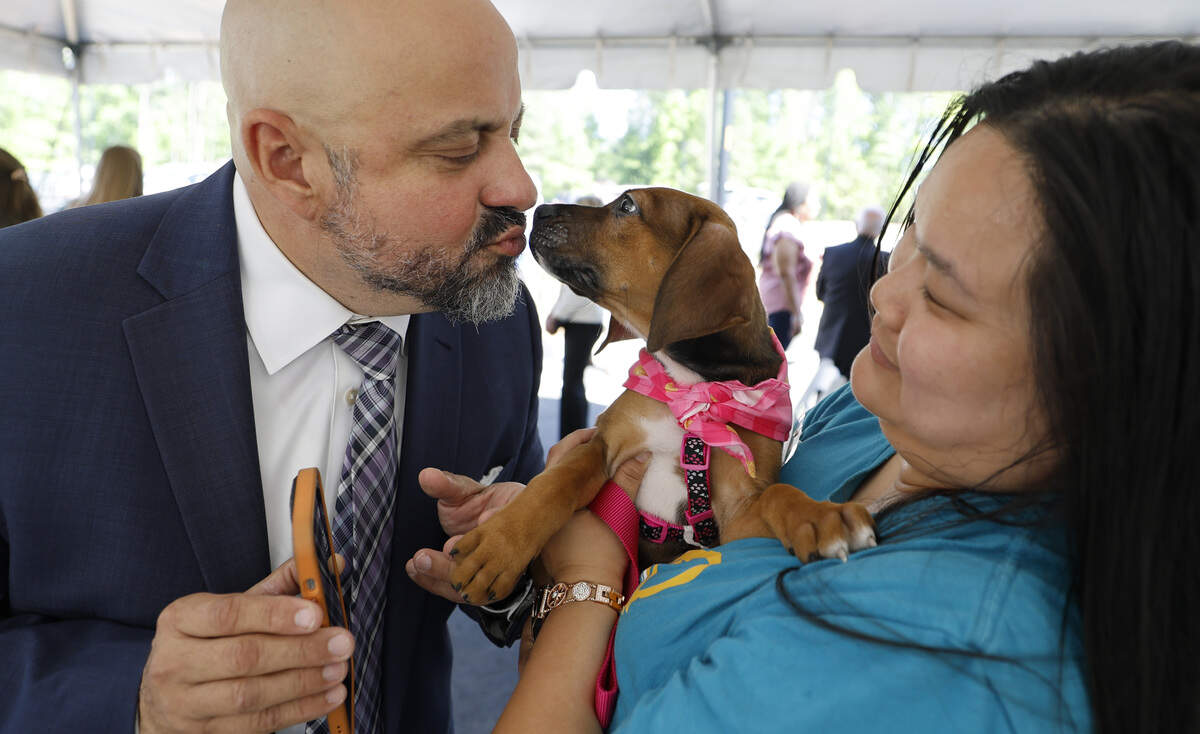
The SPCA’s new Peggy Garner Britt Resource Center, funded with $25 million in donations, aims to address animal overpopulation by doubling the nonprofit’s spay and neuter capacity at its southern Raleigh campus.
What is the problem?
In 2024, some 20,000 cats and dogs across North Carolina were euthanized, WRAL reported.
Shelters euthanize animals for a variety of reasons, including medical problems and aggression. When shelters run out of space, they can be forced to euthanize.
“When accessible spay and neuter [and preventive care] aren’t available, more animals end up in shelters, and that increases the risk of euthanasia,” SPCA of Wake County spokesperson Darci Vanderslik said in an email to The News & Observer on Wednesday.
The Wake County Animal Center, in eastern Raleigh, is the county’s public animal shelter. It’s reached or exceeded its capacity of over 500 animals multiple times in recent years. In 2025, it took in over 8,300 animals.
The shelter hasn’t reported euthanizing any animals due to overcrowding since 2015, but the county has repeatedly warned the shelter has neared population levels that could require it.
Wake County plans to start construction next spring on a new public shelter near the future NC 540 extension, close to the intersection of Battle Bridge Road and Auburn Knightdale Road on property often called the Randleigh Farm, The N&O previously reported.
That facility will increase the county’s capacity for dogs and cats by 50%.
Helping pets
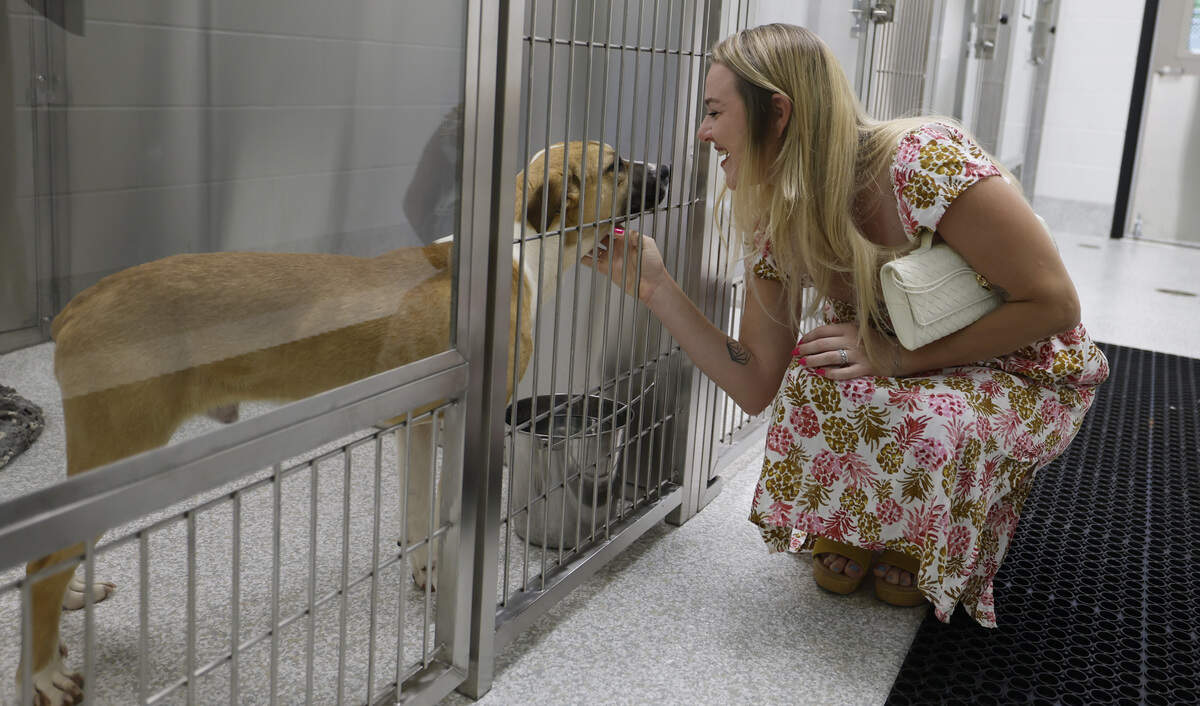
The SPCA of Wake County, with its own shelter that sees around 4,000 animals every year, has a goal of preventing euthanasia forced by animal overpopulation.
President and CEO Kim Janzen said an expansion of its campus on Petfinder Lane in southern Raleigh will fight the problem at its roots.
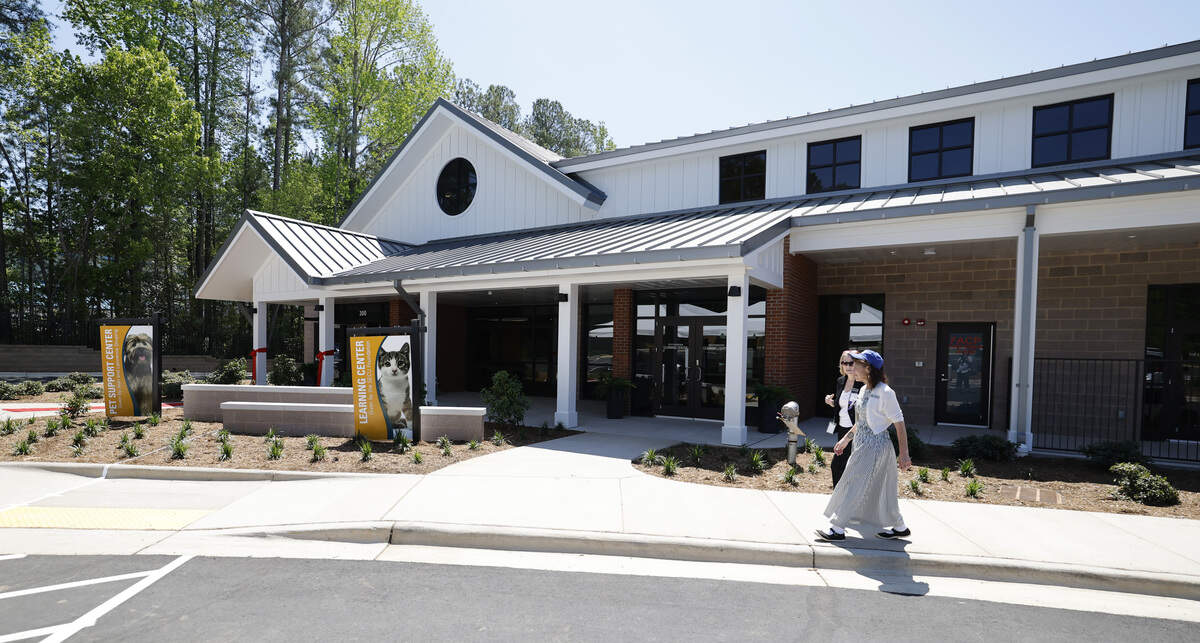
The new building, next to the SPCA’s existing adoption center, will allow the nonprofit to double its spay and neuter surgeries to about 9,000 a year.
That’s because the SPCA’s veterinarians now have two additional surgery spaces, with one dedicated for spaying and neutering.
“Expanding this capacity helps relieve that pressure across the entire system and allows us to keep more pets in homes and out of shelters,“ Vanderslik said.
The building’s state-of-the-art kennels will help keep animals healthier, which will mean they are less likely to need medical attention and more likely to be adopted, Janzen said.
The SPCA can also do a wider variety of veterinary work on site with the new facilities.
The new medical spaces allow for:
- Dental procedures
- Radiology and lab work
- A dedicated area for heartworm treatment
- Intensive support for sick animals and very young kittens
The other side of the leash
The building also has a learning center and a pet support center.
Years ago, the SPCA started to shift its approach.
“We started focusing on helping animals through the other side of the leash,” Janzen said.
Nearly 850,000 pets were surrendered by their owners across the country in 2025, up about 1.2% from 2024, according to the Shelter Animals Count, which is a program of the national SPCA.
Fixing that means addressing the challenges that owners face, and the SPCA will help train pets, give out pet food and offer low-cost clinics for things like vaccines and microchips in the new space.
The News & Observer’s Inside Look takes readers behind the scenes to illuminate the people and places in our community.
This story was originally published April 24, 2026 at 7:30 AM.