A Raleigh scientist’s quest for missing black holes (and how you can help find them)
AI-generated summary reviewed by our newsroom.
- SpiralGraph is a research project where volunteers trace galaxy spiral arms.
- Its newest addition, Cluster Buster, uses volunteers to train AI to sort the tracings.
- The project aims to find galaxies that potentially host rare black holes.
At the heart of the Milky Way lies a galactic heavyweight: a supermassive black hole called Sagittarius A* that is nearly 4 million times more massive than the sun.
Black holes are regions in space where gravity is so strong that nothing — not even light — can escape. Astronomers have found two main types: supermassive black holes at the center of nearly every large galaxy, and much smaller black holes, formed from collapsing stars.
But there’s a mystery. Scientists can’t find anything in between.
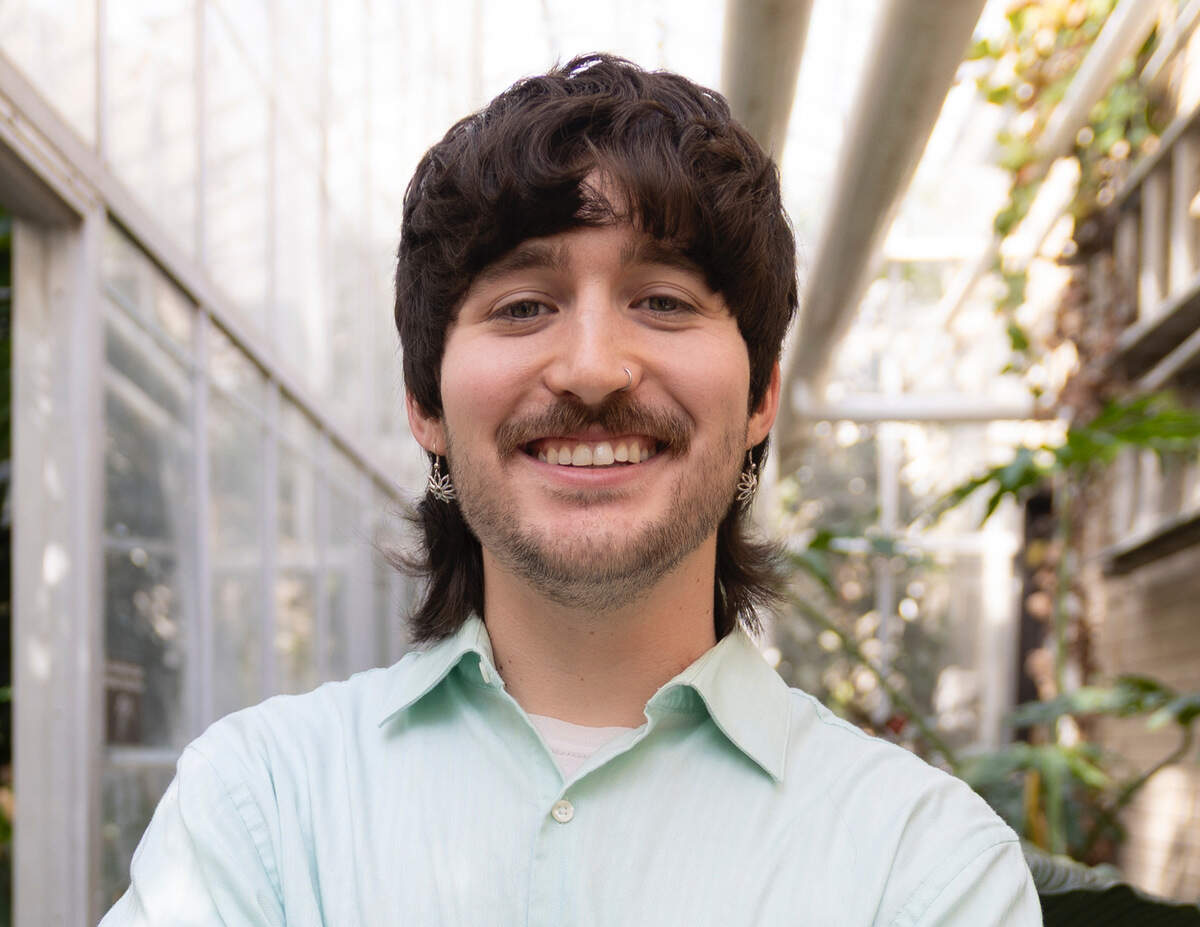
Patrick Treuthardt, an astrophysicist at the North Carolina Museum of Natural Sciences, is leading a project that could help unravel this cosmic mystery.
“We have these supermassive black holes… millions to billions of times the mass of the sun… and then we have stellar-mass black holes that are formed from stars,” Treuthardt said. “But we don’t see these black holes in between.”
Scientists think the giants form when smaller “seed” black holes merge and grow, but those growing black holes have been nearly impossible to find.
“Our own Milky Way has a 4 million‑solar‑mass black hole in the center of it, and we have no idea how it got there,” Treuthardt said. “What is the process?
The quest for the missing link
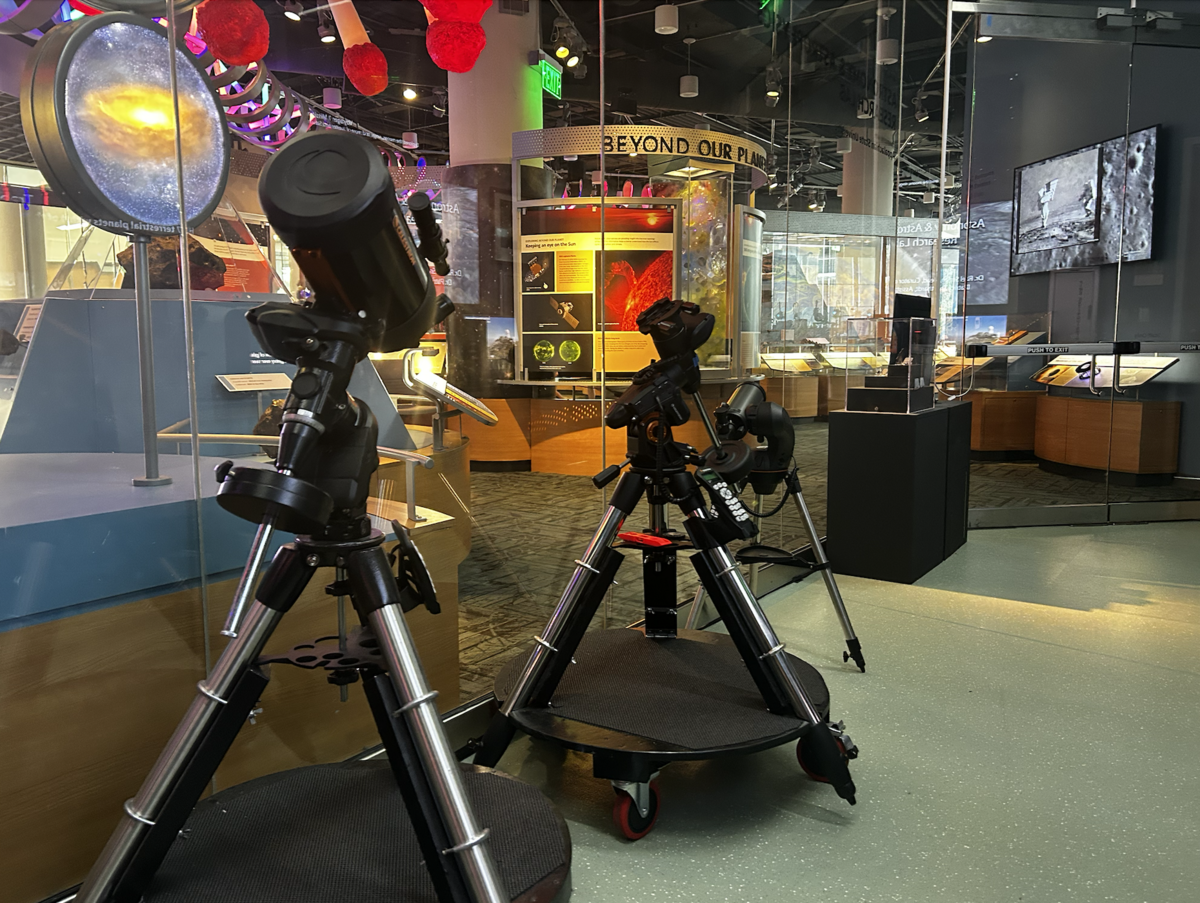
To make sense of this mystery, Treuthardt and his team are searching for elusive intermediate-mass black holes — the “missing link” between small, star-sized black holes and the monsters at the centers of galaxies.
But finding them isn’t easy.
“There’s no good way to really identify galaxies that may have intermediate-mass black holes other than just looking through thousands of galaxies,” Treuthardt said.
He tried artificial intelligence, but the computers had a hard time distinguishing between the bright and fainter regions of the galaxies.
“But people are really good at seeing patterns,” Treuthardt said, “so we thought we would take advantage of that. Just get everybody involved and help look under rocks to try to find these objects.”
Bring on the volunteers
That realization led to SpiralGraph, a project powered by community science and volunteers from around the world. Their task: use telescope images to trace the spiral arms of galaxies.
Because the shape of a galaxy’s spiral arms is closely connected to the size of its black hole, the project could use thousands of volunteers drawing over galaxies to help search for these mysterious mid-sized objects.
“The nice thing is that, potentially, all you need is just a photograph of a galaxy and a way to measure how tightly wrapped the arms are,” Treuthardt said.
By measuring how tightly the spiral arms are wound around the center of a galaxy, researchers can estimate the mass of the black hole at the galaxy’s center.
“You can estimate the black hole mass in the center of the galaxy without having to do… a lot of telescope observations,” Treuthardt said. That means they can continue their research without competing for the very limited time available at one of the world’s observatories.
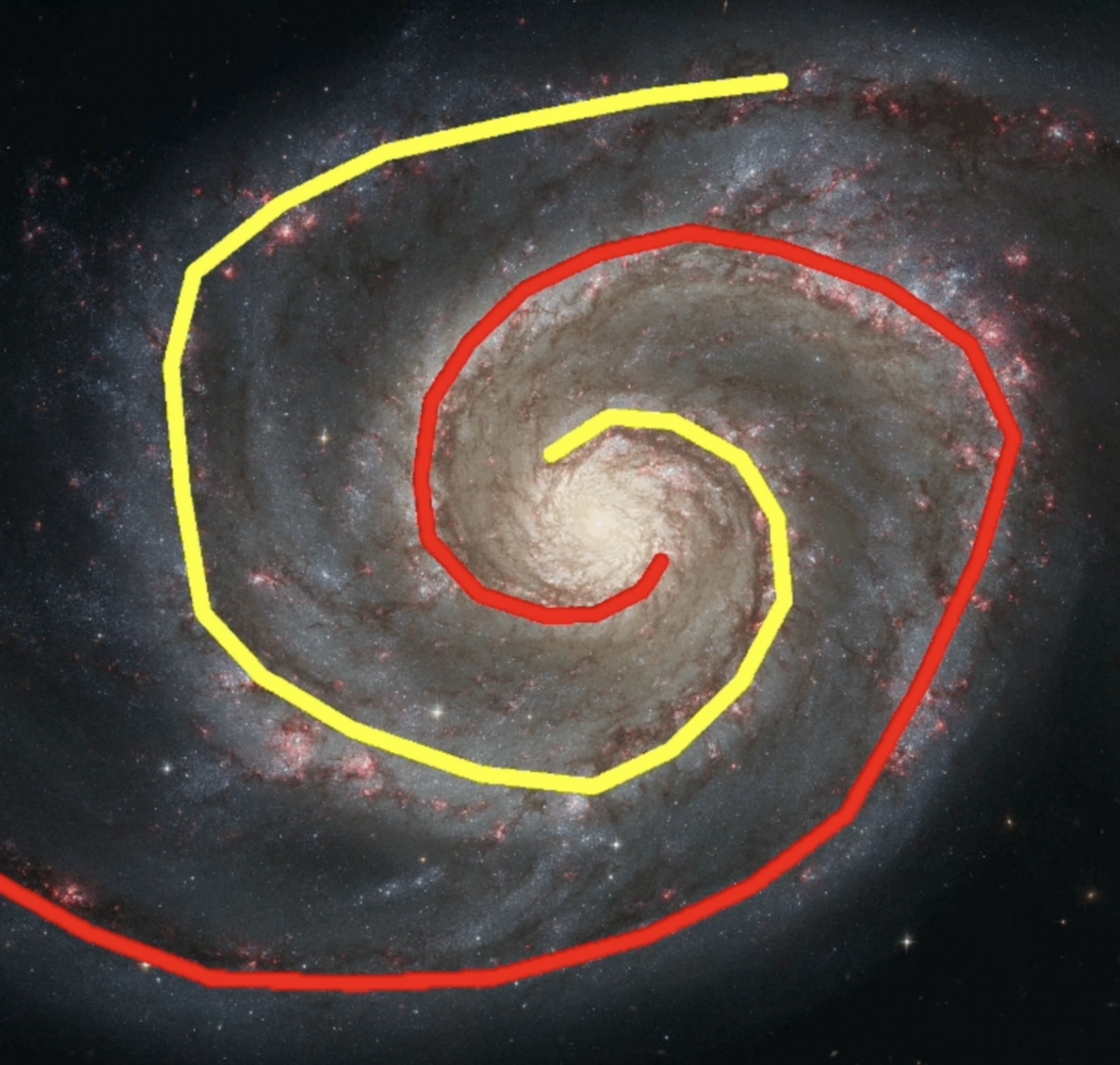
SpiralGraph launched with images from public sky surveys. Treuthardt expected only a handful of volunteers, but thousands joined the project.
“We thought it might take a year or two for us to run through all these galaxies, but it took like a month,” Treuthardt said. “Then we were like, OK, what are we going to do?”
The next hurdle
With thousands of spiral arms traced by volunteers, the next challenge was making sense of the data. Computers struggled to group the tracings accurately, leading the team to develop ClusterBuster, a new approach where volunteers help train artificial intelligence to correctly sort galaxy arms.
“Now we go back to people… Why don’t we show people the results of the algorithm and just have them tell us that it worked or not – yes or no?” Treuthardt said. “By people voting yes or no, that’s helping train an AI to pick the right parameters in every single case, to make the algorithm work better.”
For Treuthardt, the work is more than just numbers and algorithms. It’s about chasing the cosmic unknown from downtown Raleigh and expanding humanity’s knowledge of how galaxies and black holes are connected.
“The goal… is to find galaxies… that potentially have intermediate-mass black holes in them… If we can figure out what makes these galaxies different, then we could potentially understand how these supermassive black holes grow,” Treuthardt said.
Along the way, volunteers have discovered a range of entities hiding in the images.
“People have found… an asteroid that’s traveling through the images, they found a tumbling satellite… pretty cool, interesting things,” Treuthardt said.
Despite new research suggesting that giant black holes might actually start out large, Treuthardt remains determined to continue the search.
“Let’s kick over some more rocks,” Treuthardt said.
How to get involved
Cluster Buster launched Tuesday, June 23, and is seeking volunteers to help uncover the mystery of black holes.
For more information about the Cluster Buster project, see Zooniverse at https://www.zooniverse.org/projects/astro-lab-ncmns/spiral-graph-cluster-buster.