Years later, a Raleigh neighborhood remains divided on removing a slave-owner’s name
AI-generated summary reviewed by our newsroom.
- Residents voted 240–201 in favor of a name change in 2021.
- Some residents sued, arguing the association never legally changed its name.
- The association has operated as Forest Park while its legal name remained Cameron Park.
Depending on who someone asks, one Raleigh neighborhood could have two names.
The area — sandwiched between downtown, N.C. State University and The Village — is labeled on Google Maps and by the city of Raleigh as Forest Park.
But some residents still call it by its old name: Cameron Park. They argue that although the Camerons were slaveholders, changing the name would erase history.
The Cameron Park name is derived from the slave-owning Cameron family, who owned significant land in and around Raleigh in the 19th century, including the land where the neighborhood now lies.
Residents of the neighborhood voted to have the name changed in 2021, and in 2024, they chose Forest Park as the area’s new name.

Why some residents sued to change the name back
After the vote in 2024, some residents filed a lawsuit, saying it wasn’t held properly, according to the bylaws of the neighborhood association.
They’ve since dropped the suit but may refile it to better reflect new information, said Myrick Howard, one of the people who sued the neighborhood association.
The 2024 suit argued that because the name of the association legally remains the Cameron Park Neighborhood Association, according to filings with the state of North Carolina, that the neighborhood’s name never actually changed.
Neighborhood groups are given funds by the city for festival equipment as well as neighborhood projects and programs, according to the city.
The neighborhood association has been doing business as the Forest Park Neighborhood Association, but it has acknowledged in legal filings that it never changed its actual name from the Cameron Park Neighborhood Association.
The suit also argued that the neighborhood association never went through the proper process for renaming, according to the organization’s bylaws.
That would require a two-thirds vote of neighborhood association members at a called meeting of the organization, the suit said.
But because the neighborhood association admitted in court documents and a hearing that it did not legally change its name, the group who filed the suit may need to refile it to better reflect the facts and its goals in the case.
Howard says that he and neighbors may file a new suit with the intent of getting a judge to say “no, the name is Cameron Park.”
Howard, a historic preservationist, said slavery was very wrong. But he also said that Duncan Cameron, a prominent North Carolinian through the mid-19th century, was an important figure in the area around Raleigh.
Cameron owned multiple plantations and more than 900 enslaved people, making him among the biggest slavers in the state at the time, Howard said. But he also played a part in the construction of the state capitol by serving on its building committee.
Cameron also donated land for St. Mary’s School, the private all-girls school next to the Forest Park neighborhood.
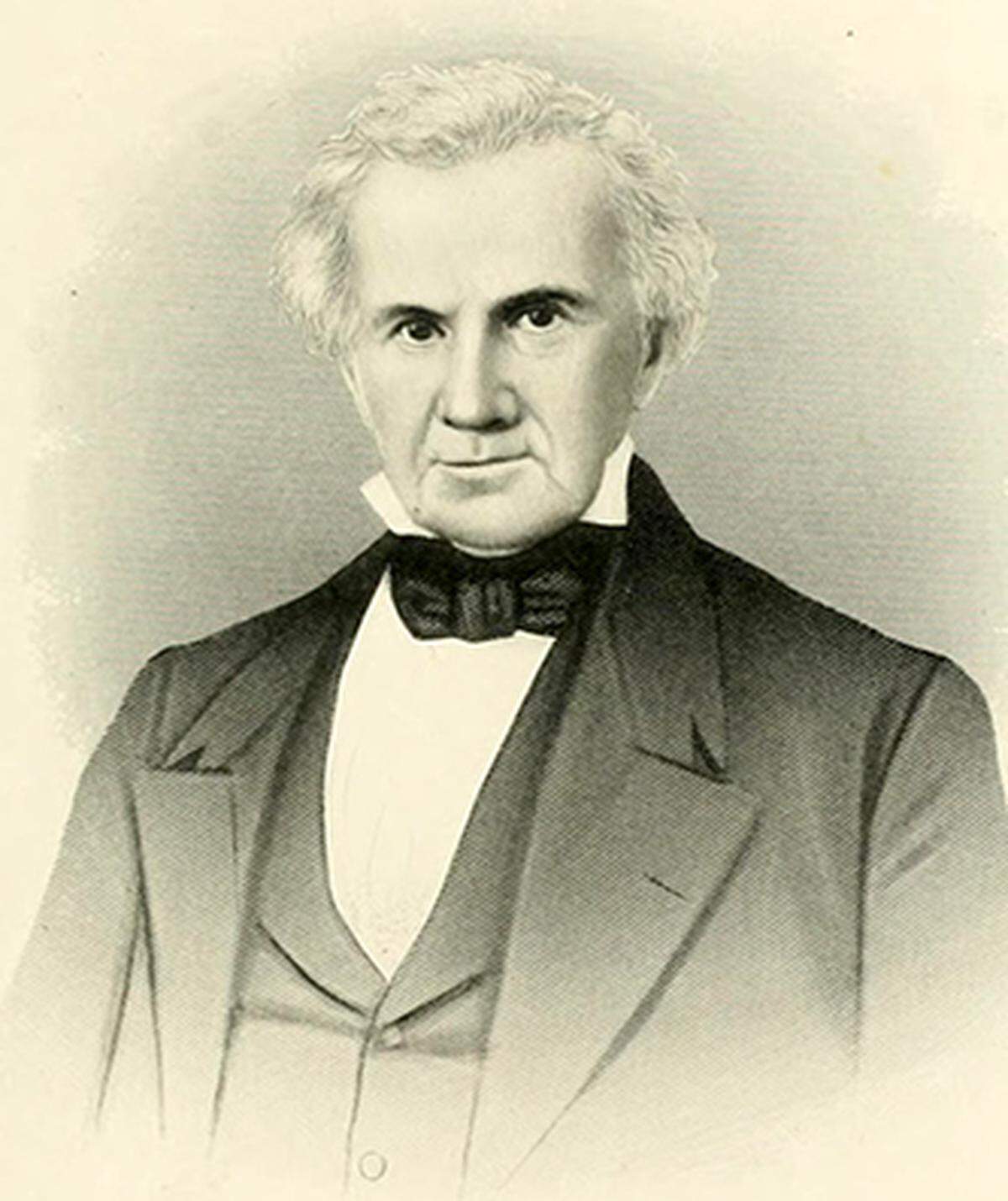
Howard said he was a very prominent North Carolinian, and that’s not history that people should try to erase.
He added that he believes the neighborhood is still split almost evenly on the issue.
What the neighborhood association says
The neighborhood association’s attorney, Neil Riemann, wrote in legal communications with a group of residents before they sued that “A neighborhood is not a legal construct ... and the Association cannot govern what people choose to call their neighborhood.”
And in court fillings, the neighborhood association said that because they weren’t changing the legal name of the neighborhood association, they didn’t have to follow the rule calling for a two-thirds vote.
What the organization did do is ask the city to change the neighborhood name in its list of neighborhoods. It also asked the city to change the name of its neighborhood conservation overlay district (NCOD) to the Forest Park NCOD
An NCOD is a zoning tool used by Raleigh to preserve the physical form of older neighborhoods. NCODs set rules for things like minimum lot size, lot width, setbacks, building height, and how far a home must sit from the street, The News & Observer previously reported.
The name was also changed on various social media platforms and Google Maps.
The movement to change the name of the neighborhood occurred in 2021, a year after the murder of George Floyd in Minneapolis by local police and shortly after the Village District shopping area, originally called Cameron Village, changed its name.
Residents at the time called for the renaming to reaffirm the community’s commitment to diversity and inclusion and mitigate the hurtful impact on new neighbors of color, The N&O previously reported.
The neighborhood voted 240 to 201 in favor of a name change. Former neighborhood association President Michael Lindsay said that voter eligibility was checked. Howard said he believed students who should not have been eligible to vote did.
The Camerons were not the only owners of enslaved people with a neighborhood named after them. The Mordecai family also owned enslaved people and operated a plantation in the neighborhood just north of downtown, according to the city of Raleigh.
This story was originally published June 30, 2026 at 8:13 AM.