
Key takeaways from NC auditor’s report on Cary spending and town’s response
Seven months after Cary town manager Sean Stegall resigned amid allegations of financial misconduct, the N.C. State Auditor’s office released its roughly 2,600-page report on the town’s spending Thursday.
Here are key takeaways from the report released by State Auditor Dave Boliek, the possibility of criminal charges and Cary’s response.
Key findings from the report
- Excessive procurement card spending. Of the town’s 828 employees, 62% had a procurement card, or a p-card, which is similar to a town debit card. In contrast, Charlotte has over 8,000 employees, but only 10% of the city’s workforce has a p-card.
- Excessive spending on food and travel. The report noted several examples of spending that “seemed excessive or served no identified business purchase.” That includes $4,164 for the town council and staff to eat dinner at Rey’s Restaurant; $1,638 in no-show charges for hotel rooms for a non-business trip; and $2,131 for hotel rooms, meals and transportation “so that five town employees could travel to Nashville for an extra day.”
- Culture of bullying under Stegall. The report cites one employee, who said that before Stegall was put on administrative leave by the town last fall, she was in the process of resigning due to what she described as bullying and pressure.
What does Stegall say?
The News & Observer called Stegall after the release of the state auditor’s report.
He did not respond and has not responded to multiple phone calls and emails from N&O reporters over the past several months.
Will Stegall get severance pay?
When Stegall resigned, the town agreed to pay him $194,832 in severance — equal to six months of his salary — on the conditions that he return any town property and give access to text messages “associated with town business,” according to the auditor’s report.
Stegall refused to comply with these conditions and has not received severance as a result, according to the report.
Will there be criminal charges?
Wake County District Attorney Lorrin Freeman said Thursday a criminal investigation into Stegall’s spending is ongoing. She and Cary Police Chief Terry Sult asked state investigators to launch an investigation last fall into whether town money was misspent.
Boliek said in January that an initial forensic analysis indicated “potential criminal activity” in Stegall’s spending, The N&O previously reported. On Thursday, Boliek said his office excluded some of its findings from the report to “preserve the integrity” of the criminal investigation.
What did town officials say?
In its response to the report, the town said Stegall’s “private-sector thinking” was positive for the town but acknowledged that he had made “questionable decisions” toward the end of his tenure.
“The work of the (State Auditor’s office) and others has helped us identify gaps in oversight, process and culture,” according to the report. “And while these concerns are largely rooted in the former town manager’s actions, we recognize that as an organization, we have the responsibility to understand what happened, identify how we can strengthen the systems that failed to prevent it, and ensure our practices reflect the standards our employees and community expect.”
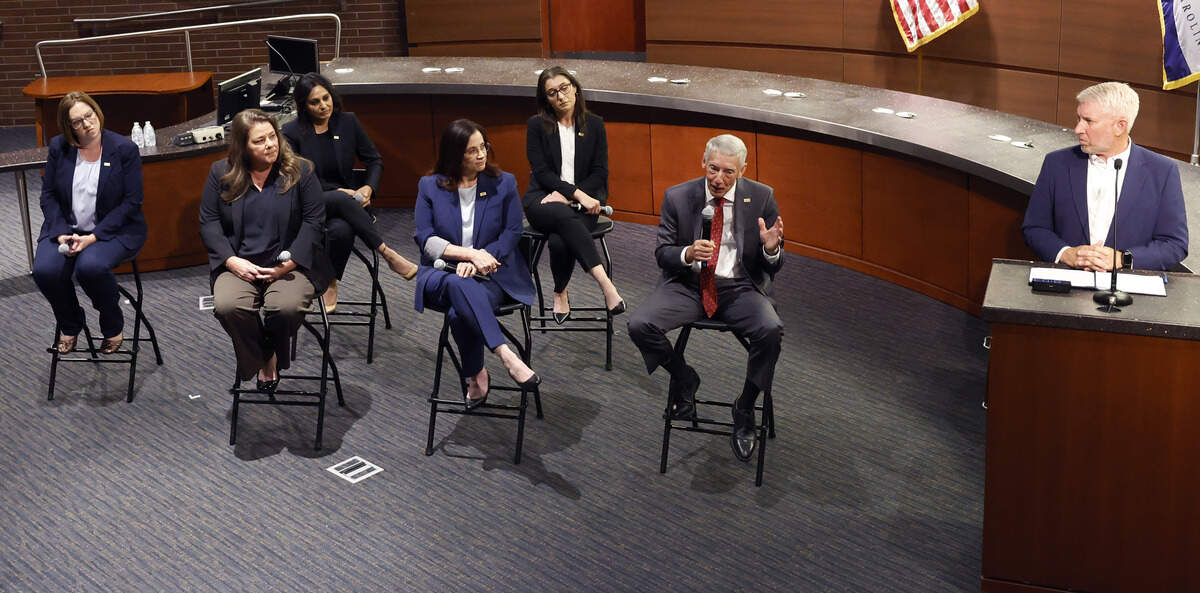
At a Thursday night news conference, Mayor Harold Weinbrecht, Interim Town Manager Russ Overton and Cary council members fielded questions from media. Many said they didn’t know the extent of Stegall’s expenses and pledged to scrutinize future spending and be more transparent with the public.
They cited 13 recommendations from the state auditor and another 21 from an external investigation from law firm Womble Bond Dickinson.
Did the town disagree with any findings?
Town officials generally acknowledged the audit’s findings of excessive spending and committed to more transparency and accountability.
A council member disagreed with the suggestion Cary has a “culture of extravagant spending” within town staff.
“I believe that what we had was pockets of poor decisions and poor money management that we need to address,” council member Carissa Kohn-Johnson said. “But I would stand by the fact that our staff works diligently to deliver the best product, the best services possible, and to do that at the most reasonable cost they can without compromising safety or equality.”
The mayor and two other council members defended the car stipend. Stegall approved $802 a month, or nearly $10,000 per year, for the mayor and town council members to use for car expenses, according to the state auditor’s report. Boliek pointed to the stipend as an example of excessive town spending during his press conference Thursday afternoon.
At the Cary news conference Thursday night, when The N&O asked how unusual a car stipend was for town council members, Weinbrecht defended the stipend as a redress for low council salaries and said towns and cities “pay councils in different ways.”
Kohn-Johnson said the car stipend was “not unreasonable” since council members work part-time and would not earn enough money to live in Cary if they worked as full-time council members. Council member Sarika Bansal said she spoke with Boliek, who told her he doesn’t mind the car allowance as long as the town council was transparent about it.
“And I think that’s fair,” Bansal said. “I think if this council wants to keep that allowance, and people know about this, and they’re ready to pay for this, then so be it.”
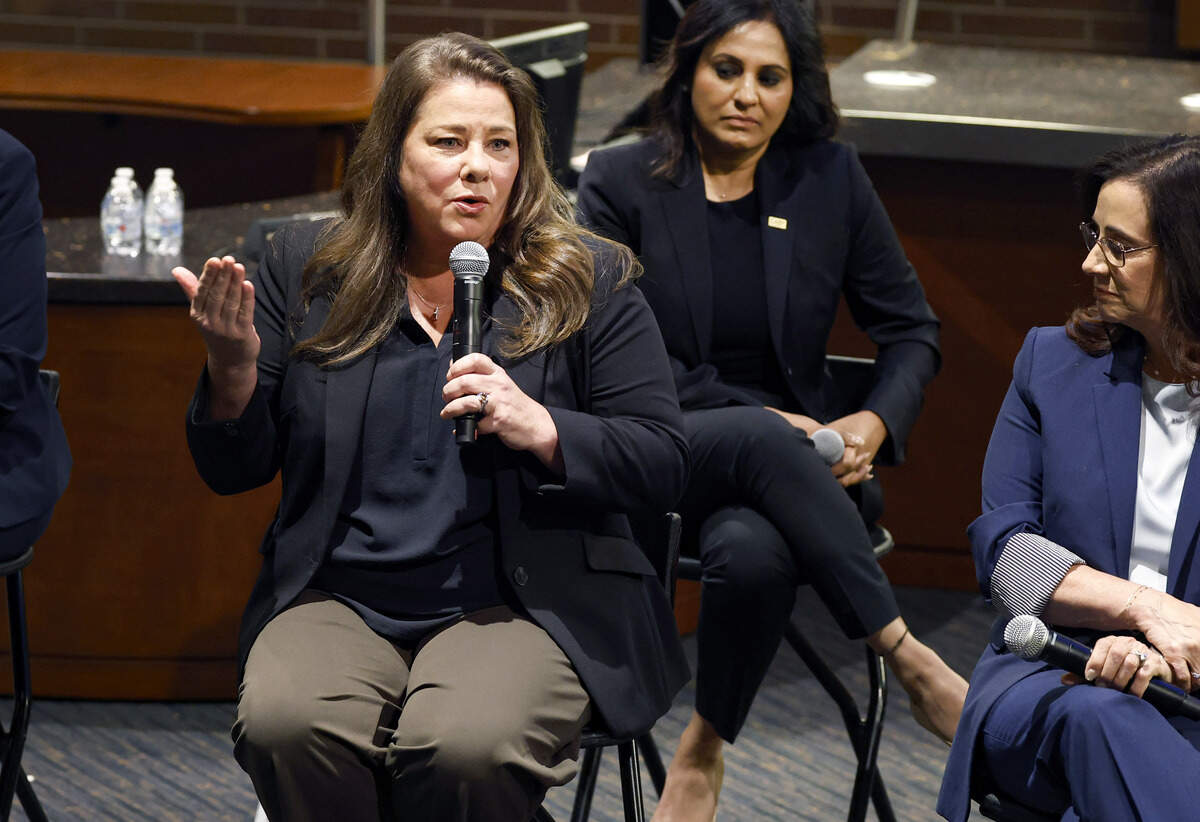
The town disputed findings of fund balance policy violations. Just weeks before he resigned, Stegall told the town council at a meeting on Nov. 20, 2025, that the town never violated its own fund balance policy. A fund balance “operates like an ‘emergency savings’ account” to be used for emergencies like natural disasters.
Cary has required its fund balance to equal one-third of its budget since 2020. The state auditor found, however, that the town dipped below its 33.33% threshold in the 2023 and 2024 fiscal years. It came back in line with the threshold in the 2025 fiscal year.
In its written response to the report, the town acknowledged a fund balance policy violation in 2023 but said the balance fell below the threshold by “a relatively small amount.” It denied the alleged 2024 policy violation, blaming differences in how the town and the state auditor’s office calculate compliance.
The town was more concerned, it wrote, that Stegall told council members “with full knowledge that the policy had been broken” that Cary had never fallen below its fund balance threshold.
NC Reality Check is an N&O series holding those in power accountable and shining a light on public issues that affect the Triangle or North Carolina. Have a suggestion for a future story? Email realitycheck@newsobserver.com.
This story was originally published July 17, 2026 at 2:13 PM.
.jpg)