NC teen masterminded murder of elderly neighbor, prosecutor said. Now he may go free.
A teen convicted of killing his elderly neighbor in 2002 could have his conviction vacated this week, and the woman’s family is furious and frustrated with the process, her grandson said.
“It pisses me off,” said David Cannady, the grandson of Lois Cannady. “I am really concerned they are going to let him out. I don’t see how they can go back and reverse something that was already tried.”
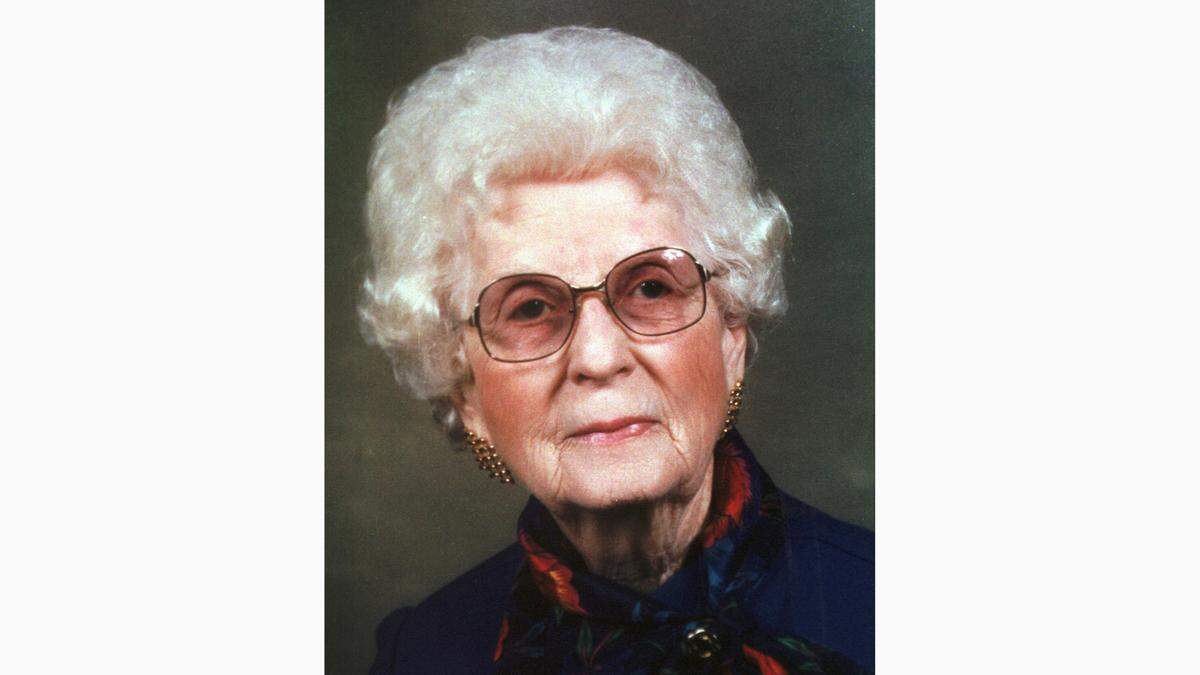
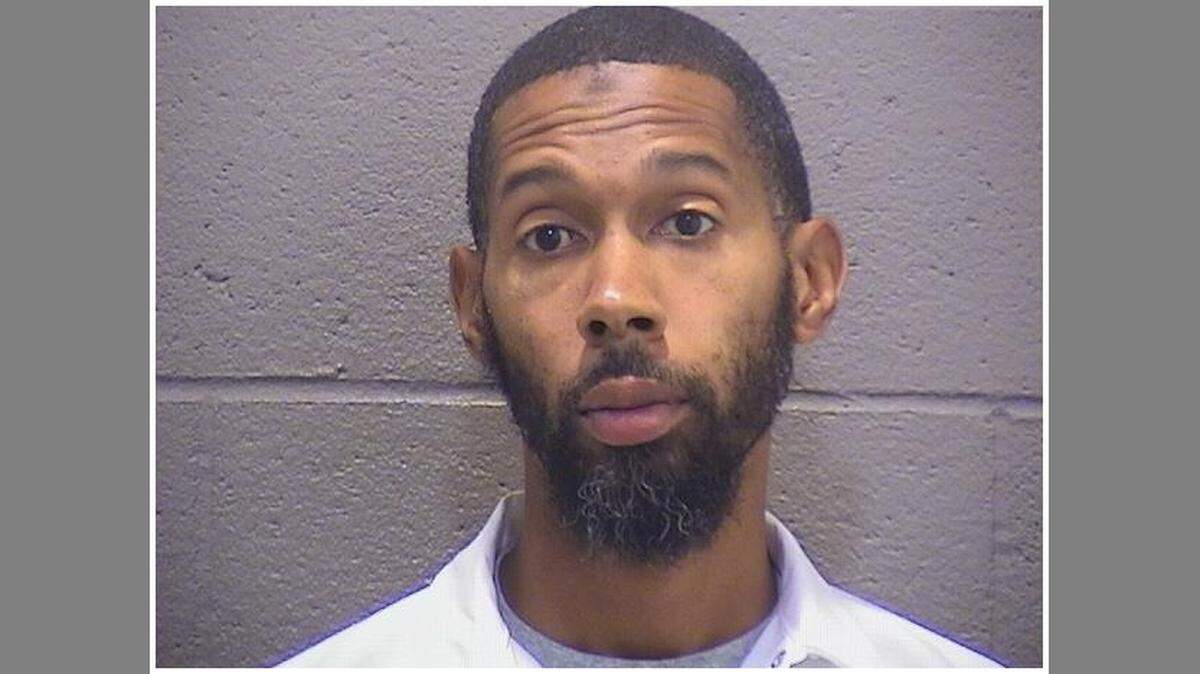
Lois Cannady was shot after a group of young men, including family friend Gregory Jamar Lee, broke into her home late at night to steal a Ford Crown Victoria from the 89-year-old. She was shot while talking to a 911 operator.
Lee was convicted of first-degree murder in 2006 and sentenced to life in prison, a mandatory sentence for the crime.
David Cannady said he is also concerned about how the Durham County District Attorney’s Office has handled notifying his family and the public about a pending hearing that could vacate the jury verdict and conviction of the man who the family believes was a key player in the murder.
“I just feel like everything is very shady through this whole ordeal, to be honest with you,” Cannady said in an interview with The News & Observer.
The District Attorney’s Office declined to answer questions for this story.
Lee’s attorney, Lisa Williams, said the proper procedures have been followed.
“To me the issue you have (he has) is a problem with is the decision-making authority of the people who were elected to rightly make those decisions,” Williams said.
Lee, 18 at the time of the killing but now 36, didn’t pull the trigger, but witnesses say he masterminded the plot that left Cannady dead during the attempt to steal her car, the second one they would take from her that day.
Lois Cannady lived across Vallydale Drive from Lee, who was like a family member to her, David Cannady said. His grandmother carried a picture of Lee in her billfold.
“Them guys would have never known to come down to my grandmother’s house had it not been for him leading them there,” David Cannady said.
June 5, 2002
On the morning of June 5, 2002, Lee and others doused Lois Cannady in pepper spray and stole her Chevrolet Corsica, said then Durham County Assistant District Attorney David Saacks during Lee’s two trials in 2005 and 2006, The N&O reported.
After taking the car, Lee, Marcus Hawley, then 14, Michael Bernard Sullivan, then 16, Ricky Evelon Morris, then 19, Little Jerome Freeman, then 25, drove to Roxboro.
Morris and Freeman cooperated with prosecutors under a plea deal that resulted in reduced prison sentences.
Morris testified that the group cased a Roxboro car dealership as Lee wanted to steal a Cadillac Escalade.
The plan didn’t work out, and they went back to Durham, stopping to fire shots at another Cadillac Escalade they saw, Morris said.
Lee contended that the vehicle’s owner had stolen money from him, Morris said.
The group then went to Lee’ s father’s home on Valleydale Drive, Freeman testified, and moved forward with a plan to take Lois Cannady’s car.
The N&O has been unsuccessful in reaching Lee’s father for this story.
Court testimony
Lee handed Morris a shotgun, and they went across the street, Freeman testified.
Lee, Morris and Sullivan had guns, including two they had with them in the car previously, the prosecutor said.
Lee denied he had a gun in Cannady’s home. He testified that he saw the men attack Cannady in the morning and was forced to participate in the attempt to take another car that unfolded about 40 minutes before midnight.
Lee kicked in Cannady’s door, Morris testified.
Cannady fired a shot at Freeman from her .22-caliber pistol.
Sullivan stepped forward and shot her in the chest as Cannady was on the phone with 911, according to court testimony.
Sitting through three murder trials and many hearings recounting the death of the family matriarch who had befriended Lee put a lot of stress on the family, David Cannady said.
“It made us old very quick,” he said.
Convictions
In 2004, a jury convicted Sullivan of first-degree murder, which has an automatic sentence of life in prison.
Lee’s 2005 murder trial ended with a mistrial after jurors couldn’t reach consensus, but a jury convicted him of first-degree murder in 2006..
Morris and Freeman, who pleaded guilty to second-degree murder under plea deals, were released from state prison on the murder charges in 2010 and 2013, respectively.
Hawley, who didn’t have a gun during the break-in and ran when the shooting started, pleaded guilty to lesser charges. He was sentenced to at least three years and two months in prison.
Lee appealed his conviction and his appellate attorney argued in 2008 the trial was unfair, in part, because a juror couldn’t stay awake and that the judge erred in allowing testimony unfavorable to Lee.
An N.C. Court of Appeals panel ruled the trial was fair.
An unexpected phone call
David Cannady said he was first notified about a hearing in which Lee’s conviction could be overturned in December, the day before it was set to take place.
He expressed concern about the late notification of the motion for appropriate relief hearing, along with other issues, and the hearing was postponed.
Motions for appropriate relief are typically made to correct errors in the judicial process, such as a key witness lying or ineffective counsel. They are also used when there is a significant change in the law.
Jeff Welty, a professor of public law and government at the UNC School of Government now on leave, said most motions for appropriate relief are denied.
“Many are filed pro se, and some are last-ditch efforts when all else has failed,” Welty wrote in a December email. “But of course some are successful and deserve to be.”
Pro se is when individuals represent themselves.
A good number of successful motions involve the state consenting to them, Welty wrote, “often based on its prediction about the likely outcome of a hearing.”
The law allows a judge to grant the motion if the prosecutor and defendant agree, according to a UNC School of Government blog on the motion.
The School of Government cautions judges against granting the consent motions without valid grounds on error-free convictions and sentences.
District Attorney Satana Deberry has also used motions for appropriate relief to reduce the sentences of people convicted of drug offenses amid concerns about the coronavirus in state prisons. Other district attorneys have said they didn’t think the law gave them the authority to vacate sentences under those circumstances.

A meeting with the DA
Soon after the December hearing was postponed, Cannady and his wife met with Deberry.
She indicated the motion for appropriate relief would likely be successful. She said she didn’t plan to retry the case and outlined outcomes that could include Lee pleading to a lesser offense that would allow him to be released from jail, Cannady said.
Deberry mentioned concerns about Lee’s representation, Cannady said.
Around Tuesday, a staff member from the District Attorney’s Office called David Cannady to say court officials were bringing Lee back to Durham for a motion for appropriate relief hearing.
“One day next week (they said). It was not on the calendar,” Cannady said he was told. “They couldn’t give me a time or date or nothing.”
On Monday, Cannady said someone from the District Attorney’s Office called him at 11 a.m. to say the hearing would be Thursday morning. A judge and the attorney in the case told a reporter a different date on Saturday.
Neither the hearing in December nor the one scheduled this week was on the Superior Court calendar provided to attorneys and other members of the public.
A quest to identify a date
The N&O reached out to the District Attorney’s Office, which is in charge of the court calendar, to ask when Lee’s case would be heard.
On Friday, office spokesperson Sarah Willets referred a reporter to the court file.
A Durham County Superior Court clerk said Friday afternoon that no motion for appropriate relief had been filed.
In a follow-up telephone conversation, Willets again referred a reporter to the case file and said the DA’s Office can’t share information on cases.
According to N.C. State Bar’s ethics rules, sharing the scheduling or result of any step in litigation is permissible.
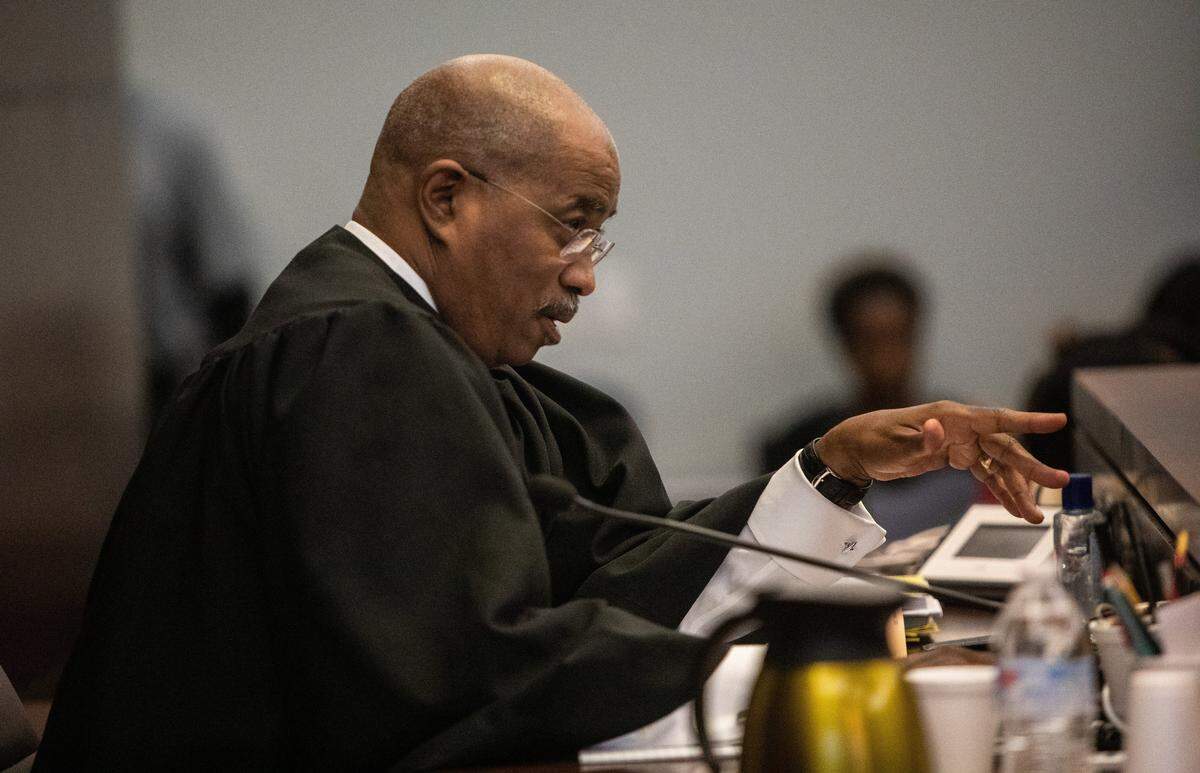
A reporter finally got an answer Saturday after calling Senior Resident Superior Court Judge Orlando Hudson, who said Williams, Lee’s attorney, had told him the hearing would be Wednesday morning.
When asked why the motion wasn’t on the calendar, Williams said Saturday that is a question for the DA’s Office. Williams said she has another motion for appropriate relief that day, which also wasn’t on the public calendar.
Williams declined to give the details about the second case without permission from her client.
On Monday afternoon, Williams confirmed that the hearing would be held Thursday morning.
Williams didn’t answer questions about what flaws in his case would justify vacating Lee’s murder conviction. She questioned whether the law required a reason if the defense and the prosecutor agreed.
‘I think it states that if the state, defense attorney and the Superior Court judge can come to an agreement about an equitable settlement,” the motion can he granted, Williams said.
Williams said she believes the two men who cooperated with prosecutors, who have been out of jail for years, had the most culpability in the murder.
Williams said she hasn’t filed the motion for appropriate release in the case.
The law is not about a emotion, she said.
“It is about logic,” she said. “It is supposed to be about equity.”
Late Monday afternoon Willets also confirmed the hearing will be Thursday.
‘Avoiding transparency’
Former Durham County District Attorney Roger Echols lost a re-election bid to Deberry in 2018 and is now an assistant district attorney in northeast-central North Carolina. He said he has concerns about the process to set aside a jury verdict, which “is held sacred in the justice system.”
“Not scheduling extraordinary proceedings and acting on MARs that are not filed until the hearing may be clear indications of avoiding transparency,” Echols wrote in response to questions sent by The N&O.
“For instance, the reason why I or no other lawyer, expert or citizen could give you an opinion about the viability of an MAR in this case Is because one hasn’t been filed,” Echols wrote.
A prosecutor who agrees to set aside a first-degree murder jury verdict should feel that it is “crystal clear that justice requires it,” he wrote.
“So clear that having a hearing and requiring a defendant to prove the allegations in an MAR would be an embarrassment to the system as well as a moral and ethical shortcoming of his or her decision making,” Echols wrote. “Therefore, I would think transparency would me more paramount than ever before in matters such as these.”
This story was originally published July 13, 2020 at 11:47 AM.