Arrests are down, NC jails are less full. Will the changes outlast the pandemic?
Arrests by Raleigh police officers fell nearly 40% from January to September this year.
The number of people sent back to prison or jail after having their probation revoked during those months fell 53% statewide.
And the number of people in county jails across the state dropped by nearly 30% from February to July.
Those are some of the changes in criminal justice statistics as police, sheriffs, district attorneys and others have tried to slow the spread of COVID-19, a virus that thrives in close quarters like courtrooms and correctional centers.
And while some say the changes are good and want them to continue, others say they are contributing to an increase in violent crime.
“I think we definitely have a proof of concept for a lower jail population,” said Durham County District Attorney Satana Deberry. “I don’t know if we will go back.”
Triangle incarceration trends
Even before the pandemic, advocates for criminal justice reform had pushed for and in some counties begun to succeed in reducing incarceration levels.
From February through July, however, that trend accelerated, with a UNC School of Government report showing populations had declined in 90 of the 93 jails accepting inmates in North Carolina.
In the Triangle:
▪ Wake County’s jail population fell 20% or by 257 inmates.
▪ Durham County’s jail population fell 40% or by 154 inmates.
▪ Orange County’s jail population fell 56% or by 66 inmates.
Even so, the Triangle counties have each been hit with COVID-19 jail outbreaks.
Wake County was one of 11 counties on a state list of current jail outbreaks, defined as two or more cases among staff members, inmates or others associated with the detention center, Friday morning.
The Durham County jail has had two outbreaks, and at least two people have died: a detention officer who died in April and an inmate who became infected in the jail and died in the hospital in September.
Jail populations fluctuate
Jail populations ebb and flow with people’s ability to pay bail, how long inmates wait for trial and the speed of transfers to a state prison.
Probation revocations and arresting practices that can result in citations or arrests also influence the number of people in custody.
During the pandemic, Wake County has increased its efforts to reduce the jail population, said District Attorney Lorrin Freeman.
Traditionally, when setting bail, Wake court officials have weighed the risk of someone re-offending or not showing up in court. Since the pandemic, however, Freeman said she has directed her assistants to de-emphasize the risk of someone charged with a crime not coming to court.
“Certainly we have made efforts to identify those cases where we felt like people could be safely released,” she said. “We recognize the risk inherent in people being in institutionalized settings right now.”
Still, some Wake County defense attorneys and others said more must be done to get people out of jail.
Dawn Blagrove, executive director on Emancipate NC, thinks Freeman could do more, including taking steps to release people serving misdemeanor sentences from jail and working to establish policies that lower bail.
“Her position on pretrial detention is problematic and has been problematic since before COVID,” Blagrove said. “And COVID has only exacerbated that problem.”
In September, Wake County kicked off a yearlong look at using a pre-trial assessment tool to predict the likelihood of people coming to court, among other pretrial reforms.
Citations vs. arrests
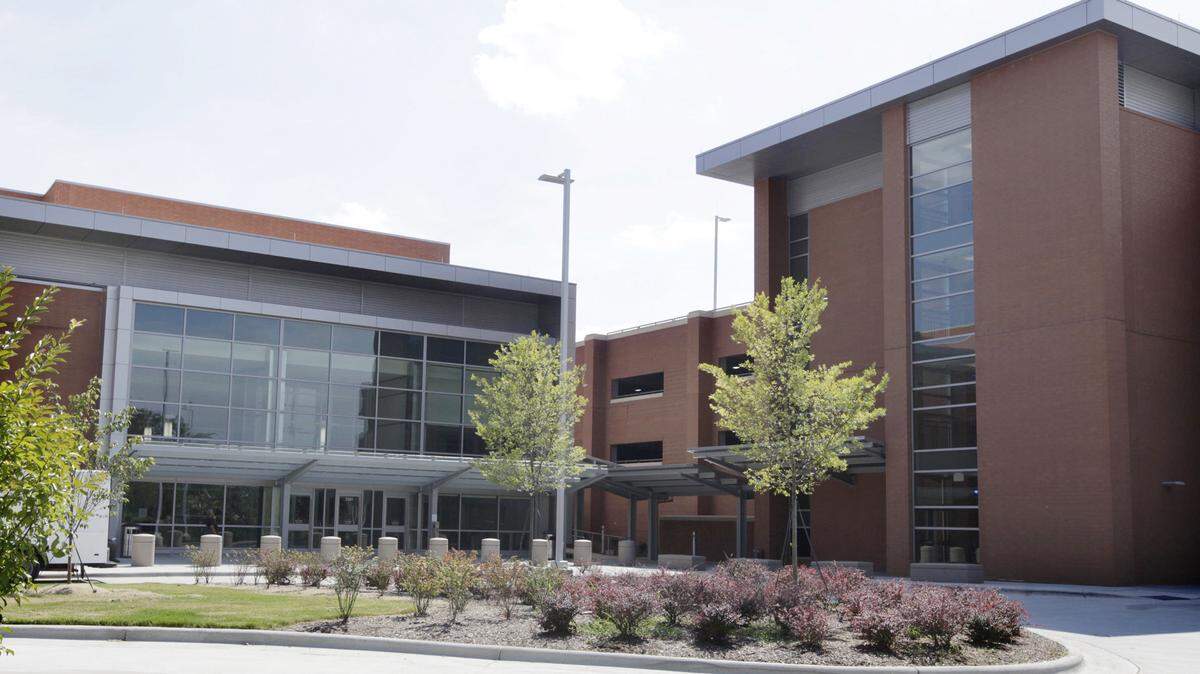
The Wake County Sheriff’s Office Detention Division runs two jails which housed about 1,194 inmates Friday.
It serves as a central jail operation for 12 cities and towns, all of which have police departments with their own policies related to citations and arrests.
From January to September, arrests per month by the Raleigh Police Department declined by 389, or 39%, to 598, according to information provided by RPD. Citations dropped by 1,423, or 61%, to 894.
Department policy on misdemeanor enforcement, which can lead to a citation to appear in court or arrest, directs officers to use “the one that maintains the safety of the public, discourages repetition of the violation, and causes the least inconvenience to those involved.”
The policy predates the COVID-19 pandemic, but “adherence to it is especially relevant as we seek to mitigate risk of exposure to our officers and the public,” police spokesperson Donna-maria Harris wrote in an email.
“The reduction in arrests and citations is likely a result in the reduction in calls for services, which may correlate to residents adhering to the Governor’s Executive Orders regarding COVID-19,” Harris wrote.
From January to September total incidents reported to Raleigh police declined by 739 to 3,156.
The News & Observer asked the Durham Police Department for similar arrest and citation data, but the agency said it could not provide the information.
Probation revocations
After someone is convicted of a crime, his or her sentence can include incarceration, probation or both. Others convicted of certain felonies will serve a period of post-release supervision in the community.
People on probation or post-release supervision can have their status revoked after committing another crime or for a series of technical violations, such as failing to come to court or follow curfew.
From January to September probation and post-release supervision revocations fell statewide nearly 53% to 560. Wake County’s revocations fell from 37 in January to 22 in September, but was as low as eight in May.
The impacts of COVID-19 on the state court system is the primary reason for the reduction, wrote Greg Thomas, spokesperson for the N.C. Department of Public Safety.
Freeman pointed out that until June 1, all but essential functions had been closed by Supreme Court Chief Justice Cheri Beasley. Probation violations with immediate safety implications were addressed, but more minor infractions would have been scheduled for the future.
Will changes last long term?
Orange-Chatham District Attorney Jim Woodall and other district attorneys are watching the trends in the criminal justice system.
“There is talk in all corners of how do we carry this forward,” said Woodall, who sits on the N.C. Task Force for Racial Equity in Criminal Justice, which was established in June to recommend solutions to discriminatory criminal justice practices.
But other trends have raised concerns.
As of last week, 274 people had been injured in non-fatal shootings in Durham this year, a 72% increase compared to the same time last year, The N&O has reported.
Durham has seen more shootings during the pandemic with all of its economic and related stressors. But Deberry said other cities are also seeing a jump and wrote in a statement there’s no evidence it’s related to releasing more people from jail.
Others aren’t too sure.
In an interview before he retired Oct. 1, Durham City Manager Tom Bonfield said gang-related disputes and shifts in the criminal justice practices are contributing to Durham’s increased violence.
“I think the COVID environment changed the concern over consequences if they do get arrested,” Bonfield said. “Not many people are staying in jail. Trials and cases are being extended considerably because we aren’t operating. The longer cases are delayed, the more likely they are going to be dismissed.”
Even before the pandemic, some in Durham were concerned about individuals released from jail while awaiting trial on pending charges, such as Antonio Davenport. He was awaiting trials on domestic violence and gun charges when he was charged with killing 9-year-old Z’Yon Person in an August 2019 drive-by shooting.
Woodall said officials can learn from the changes and make improvements.
“We can look at the instances where public safety may have been affected,” Woodall said, “and say ‘how can we going forward still keep the numbers low but address this particular situation.’”
Freeman said it’s too soon to draw conclusions from just seven months of data. She will be monitoring the information, she said, looking for changes in practices that didn’t compromise community safety.
“I think most of us are open to that as a concept and will be looking for those,” she said.