Trial begins in robbery turned fatal shootout targeting Durham Chinese restaurant owners
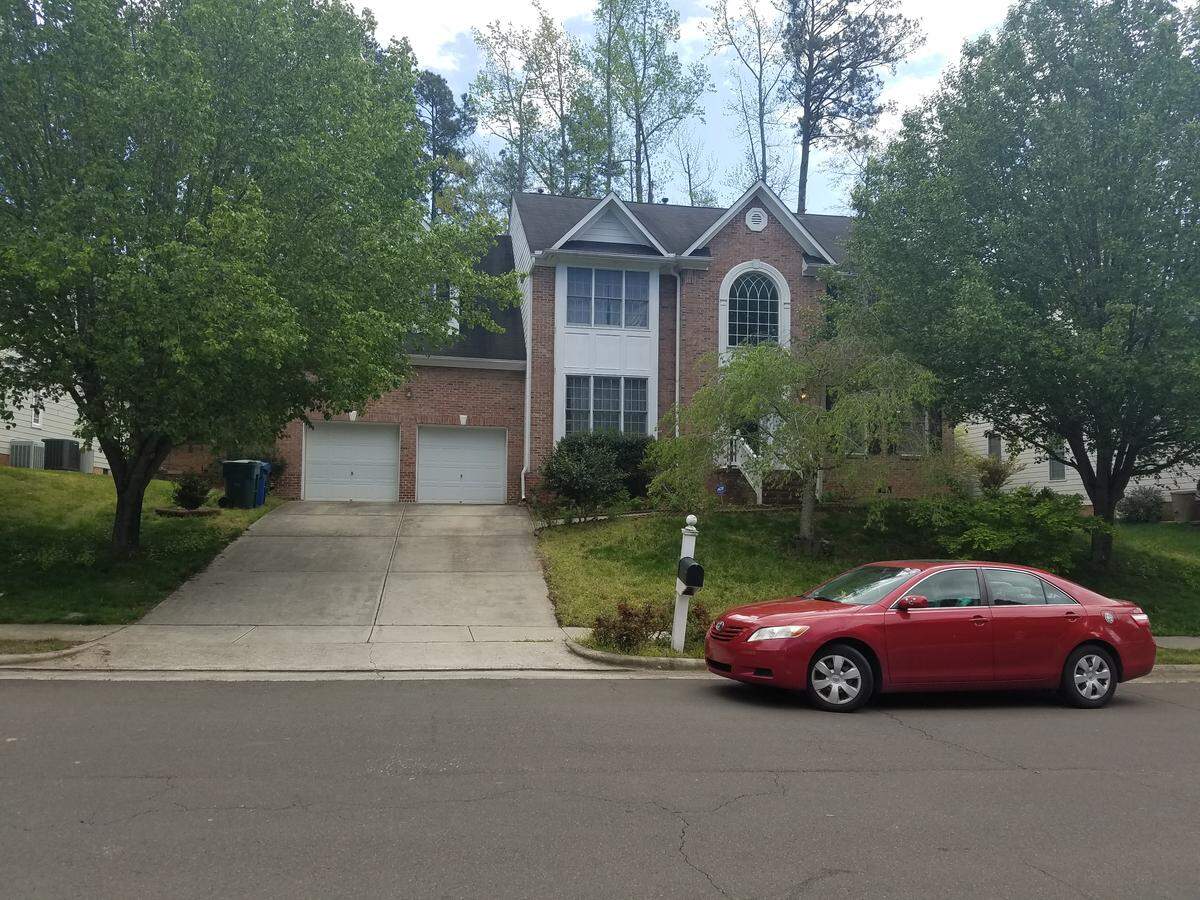
It was raining buckets on the April night the masked gunmen waited for Shirley Chan and Hong Zheng to pull into the driveway of their brick, southwest Durham home.
Inside the home on Carlton Crossing Drive, Chan and Zheng’s two children also waited as part of a nightly routine the family had established after four previous robberies and break-ins targeting the owners of the China Wok restaurant on South Roxboro Road.
The couple’s then 14-year-old daughter looked out from a window above the driveway. Their son, then 17, waited by the front door, ready to hand his mother a 9 mm handgun and a magazine, according to court testimony.
In the next few minutes, around 10:20 p.m. on April 15, 2018, a gun battle between Chan and the robbers erupted in the front yard of the Hope Valley Farms North neighborhood. The family’s lives would forever be changed.
After the robbers fled, Zheng, 42, was found in the front seat of the family’s minivan, shot in the head and neck. A neighbor tried to do CPR, but he was later pronounced dead.
Zheng’s death stunned the Asian community and highlighted the risks Asian business owners say they routinely face.
Three years later, officials in Winston-Salem are prosecuting one of the final five defendants on federal charges in the fatal robbery.
Maurice Owen Wiley Jr., 31, sat at the defense table at the federal courthouse Tuesday, wearing a gray shirt, pants and tie, along with glasses and a COVID-19 mask.
In opening statements, Assistant U.S. Attorney Craig Principe said a friend of Wiley’s rented a white Lincoln MKX for him that he used to stake out, plan and transport five others to the family’s restaurant and home. Wiley and others had watched the restaurant and home in the two nights before the killing, Principe said.
While they were able to flee the scene the night of the shooting, they left behind a trail of evidence, Principe said. Some of that evidence includes casing from five different guns at the house, a shoe left in the yard and a glove left near the front door.
Other evidence includes statements from Wiley’s co-defendants, blood later found in the rented SUV and the vehicle’s infotainment system that tracked where it went, when calls were made and when a door opened.
John Bryson, Wiley’s attorney, asked the jury to keep an open mind as the the prosecutors call their witnesses. Bryson said the defense team doesn’t dispute the attempted robbery.
“What we do dispute is that Maurice Wiley was involved,” Bryson said.
In the month after the killing, Durham police arrested and charged Wiley and four others.
Hykeem Deshun Cox, 24, Darryl Bradford, 21, Semaj Maleek Bradley, Charles Winfor Daniels and Wiley, all of Durham, were initially charged with first-degree murder, attempted first-degree murder, attempted robbery with a dangerous weapon, attempted first-degree burglary and seven counts of discharging a weapon into an occupied dwelling/moving vehicle.
A juvenile whose name wasn’t released to the public was also involved in the case, police have said.
‘They found the bullet’
Court documents filed by prosecutors outline a case built around the rented Lincoln, which Chan shot at and damaged, along with injuring two of the robbers and scraping a third.
Cox appears to have started cooperating with police after his probation officer noticed a gunshot wound in his wrist about three weeks after the incident.
“They found the bullet,” Cox told an associate after his arm was X-rayed about a week later.
Cox initially said he ran back to the SUV once the shooting started and that Wiley shot Zheng after he started to back up the minivan, according to court documents.
But later Cox admitted to also shooting into the minivan, where police found casings from two guns, the documents state.
Daniels told police the robbery was Cox’s idea and that Cox gave him a gun. While staking out the restaurant two nights before the attempted robbery, Daniels said that Cox said he saw the couple carrying out bags that he estimated had $30,000 in cash, according to court documents. Daniels also said Cox admitted shooting Zheng.
In August 2018, Wiley’s then attorney argued in Durham County court that Cox was the ringleader and had made deals with prosecutors to have previous charges reduced.
On April 5, 2018, just 10 days before the fatal robbery, Cox pleaded guilty to conspiracy to commit armed robbery related to a 2017 incident in which he and two others stole about $9,000 from Diamond Girls strip club on Angier Avenue. Cox, who agreed to testify against his co-defendants, was ultimately sentenced to two years of supervised probation, which he was on during the robbery, according to court documents.
Case moves to federal court
In August 2019, Wiley and the four others were indicted in federal court, and Durham prosecutors said they planned to dismiss the local charges as the case moved to federal court.
The initial Oct. 19, 2019, federal indictment charged all five with conspiring and attempting to commit a robbery by threat or force, which both carry maximum penalties of up to 20 years and $250,000 fines.
Other charges included carrying and discharging a firearm during a violent crime, which has a maximum sentence of 10 years, and carrying and discharging a firearm during a violent crime that resulted in a murder, which is punishable by death or a life sentence.
However, a Jan. 4, 2021, superseding indictment reduced the severity of the charges.
The men were charged with conspiring and attempting to commit the robbery by threat or force, but the other charges were changed to conspiring to possess a firearm while committing a violent crime, punishable by up to 20 years. Wiley also faces a charge of possessing ammunition as a felon, punishable for up to 10 years.
Bradford, Bradley and a third person also faced other charges related to a May 7, 2018, carjacking in both indictments.
Lynne Klauer, an assistant U.S. attorney and a spokesperson for the U.S. Attorney’s Office for North Carolina’s Middle District, declined to comment on the changes in the indictments, saying she couldn’t speculate on why federal prosecutors moved forward with different charges.
The four other individuals have pleaded guilty to some of the charges in plea deals but haven’t been officially sentenced.
Challenges for Asian American community
The Wiley trial comes after a mass shooting in Georgia that killed eight people, including six women of Asian descent in three Atlanta-area spas, and a year in which hate crimes against Asian Americans have increased.
Xilong Zhao, president of the Chinese-American Friendship Association of North Carolina, said it’s hard to determine whether Zheng’s death fits into the hate-crime category because restaurants and other businesses involving cash are generally vulnerable. He would want to know if the robbers had targeted Asian Americans before.
Regardless, Zhao said, the killing highlights two important lessons: the importance of reporting incidents to police, which some Asian Americans hesitate to do, and police taking those reports seriously and taking actions to prevent repeated and escalated acts.
Hong Zheng’s family
After the April 2018 attempted robbery and shooting, the family said they were among a group of Asians who were being targeted because they own restaurants and people think they have money.
The first time someone tried to break in the family’s home was the day before Thanksgiving in 2015, they said in a 2018 interview. The family wasn’t home.
In January 2016, someone broke in again. This time the two children were sleeping in their rooms.
Chan was coming home with another person, and three men were waiting outside by a bush. They punched her in the face.
“They put the gun to my head,” Chan said. “Asked me to open the door.”
A second robber pushed the person with Chan into the daughter’s room. He shook her leg to wake her and held the two at gunpoint.
In June 2016, someone broke a window, but the alarm went off and they left, the family said.
In 2017, someone kicked open the front door, and the alarm went off. No one was home.
April 15, 2018 shootout
On the rainy night of April 15, 2018, Zheng let Chan out of the minivan by the sidewalk and pulled up a few feet closer to the garage. As Chan walked up her front stairs, her husband honked the horn to warn her of the men who followed her and then started shooting.
The son handed the gun to Chan, who fell as she took the firearm. The gun jammed and didn’t work until she extracted two cartridges, according to court documents and interviews.
The daughter hit the home security system alarm, as Chan shot back at the robbers who ran to the Lincoln.
After the men left, Chan checked on her son. And then she called to her husband, but he didn’t answer.
“He is not answering me,” Chan screamed during her emotional testimony she provided in English and Mandarin. “He is not answering me.”
When Chan got to the minivan, she found a bullet hole in the window.
Zheng was unresponsive, she said.
She tried to open the door, but she couldn’t. She got an extra key, and then tried to chip away at the broken glass to get to him.
She gets inside and grabs him, but his hand is cold, she said.
“And I keep calling his name,” she said.
“Don’t scare me,” she told him.
A neighbor came and did CPR on Zheng, Chan said, but he didn’t wake up.
“He never came back,” Chan said.
Testimony is scheduled to continue Tuesday afternoon.
This story was originally published April 20, 2021 at 10:26 AM.