Family storms out of courtroom as man sentenced in deadly Durham bar encounter
Carol Reardon entered the courtroom holding a framed photo of a smiling Edward “Teddy” Tivnan from Christmas 2018.
It was the last Christmas that Reardon spent with her brother before his death. He died after he was headbutted and hit by Daniel Mohar at a Durham bar around 10:15 p.m. June 5, 2019. Mohar’s attorneys contend Mohar hit Tivnan in self-defense, before Tivnan fell and hit his head on the sidewalk.
Once in the courtroom Tuesday, Reardon didn’t sit down, but stood in the first court pew facing Mohar, his attorneys and family.
“I have been given a lifetime sentence without my brother,” she said, loud enough for the other side of the room to hear.
The day before, Reardon and her two other siblings, who have attended much of the trial, watched as prosecutors’ second-degree murder case unraveled. A judge dismissed the charge, saying prosecutors hadn’t proven Mohar killed Tivnan with malice.
As challenges for prosecutors mounted throughout the day, the family was informed that Mohar, 37, would plead guilty to involuntary manslaughter, which he did on Monday afternoon.
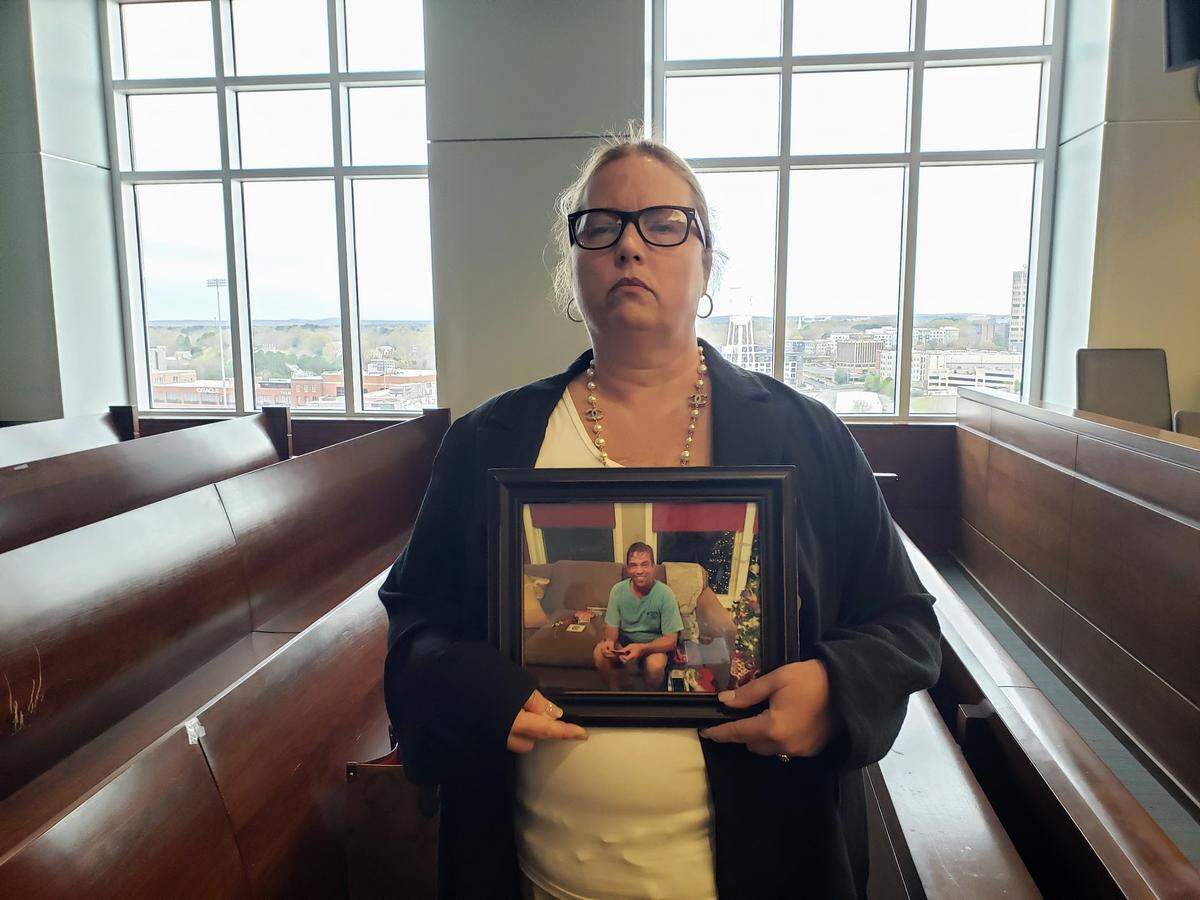
“I feel like I am at the hospital watching my brother die again,” Reardon said as the process was unfolding.
On Tuesday morning, Judge Josephine Kerr Davis ordered Mohar to serve up to eight months incarcerated.
Davis began sentencing by suspending a prison term of 19 months to 32 months and instead requiring Mohar to serve three years of supervised probation.
Before the judge finished, however, several of Tivnan’s family members stormed out of the courtroom.
“Y’all should be ashamed,” Tivnan’s adult daughter said as she left. “This is why these crimes keep happening.”
“It’s on you,” Reardon said. “His blood is on you.”
After they left, Davis continued with the sentence that included serving eight months in prison, minus the one month of credit for time already served.
After that, in addition to the probation, Mohar must complete anger management classes and undergo electronic monitoring for 90 days.
Mohar’s attorney Emilia Beskind said Mohar has been willing to plead to involuntary manslaughter from the beginning because that is the appropriate charge for his actions.
Mohar told the judge that he takes full responsibility for his actions.
“I thought I was doing something to help people,” Mohar said.
In a statement, Mohar’s attorneys said prosecutors did a disservice to the victims, the defendant and the criminal justice system by overcharging Mohar.
“The case highlights the harm done to families and defendants when overzealous prosecutors pursue charges not warranted by existing law in an effort to gain increased punishment,” the statement said.
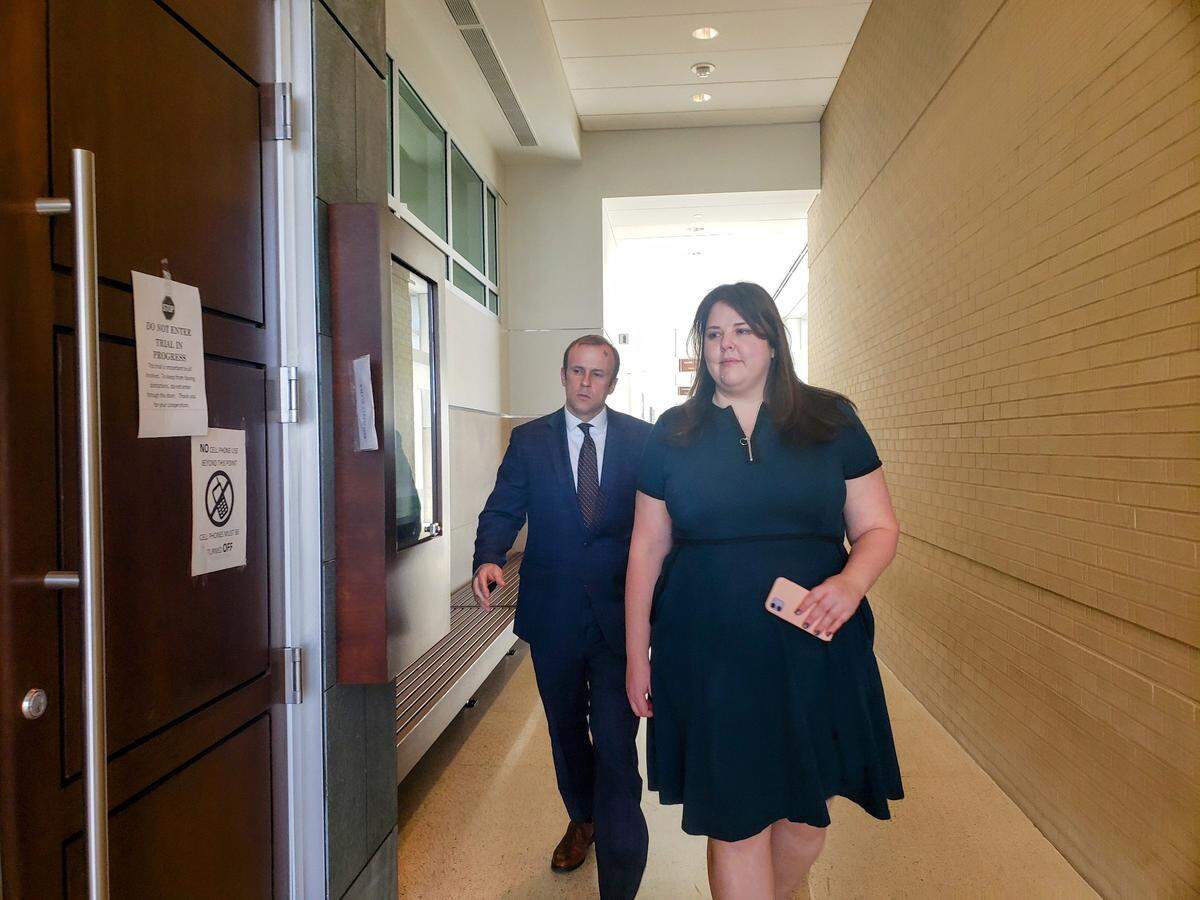
Murder charge dismissed
Mohar was facing a second-degree murder charge tied to the June 2019 incident at the now-closed Social Games and Brews on West Main Street near Brightleaf Square.
The fatal incident occurred after a woman Tivnan had encountered in the bar came outside to tell him to go away. Tivnan said to a friend “What a tramp,” while walking away from her after she yelled at him outside.
Seconds later, Mohar rounded the corner and headbutted and then hit Tivnan in front of the bar, according to surveillance video and court testimony.
Tivnan fell to the ground, hit his head and was unconscious when emergency officials responded.
The 49-year-old father of three daughters died two days later.
Mohar was charged with first-degree murder about a month later, but the charge was downgraded to second-degree murder by the time the trial started last week.
After Tuesday’s sentencing, District Attorney Satana Deberry’s office issued a statement saying officials understand the outcome is not the one the family wanted but that homicide cases are complex. This case was complicated by Mohar’s claim of self-defense and difficult legal questions, it said.
“While not the outcome our office initially sought, this conviction will forever follow Mr. Mohar and serve as a reminder of his actions and the loss of Mr. Tivnan’s life,” the statement said.
.jpeg "Resized_IMG_5876 (2).jpeg")
Family’s concerns
Before the sentencing, Tivnan’s family expressed concern about the killing and a process they felt let Mohar escape serious charges again.
Tivnan’s daughter Cameron Tivnan said it was devastating to lose her father, who loved to help people and make them laugh.
“He was so goofy, he would talk to a wall if it would talk back,” she said. “I love it when people call me little Teddy when I act silly because it’s just like him.”
Cameron Tivnan said she is still grappling with the idea that her father, who didn’t get into fights, was killed after getting hit at a bar. It’s a story that she will eventually have to share with the grandchild that her father never got to meet.
During the sentencing, prosecutors and Tivnan’s family pointed to previous incidents in which Mohar was accused of assaulting others.
Assistant District Attorney Mary Jude Darrow read two letters from people who contended they were also unexpectedly assaulted by Mohar at a bar.
Mohar had previously been convicted of three misdemeanors: drunk and disorderly conduct in 2006, assault with a deadly weapon in 2010 and trespassing in 2012.
After his initial arrest in this case, a prosecutor said in court that Mohar had been charged with assault numerous times but that most were dismissed, The News & Observer’s newsgathering partner ABC11 reported. The prosecutor said multiple people had contacted the District Attorney’s Office expressing concerns about previous incidents with Mohar.
In a previous hearings, Davis ruled that information from the previous incidents couldn’t be shared with the jury. On Tuesday, Mohar’s attorneys pointed out that in some cases there was conflicting evidence and witnesses who said the other person was the aggressor.
‘Winds of Justice’
Tivnan’s sister Mary Long described a process in which the “winds of the justice system picked up the pieces and threw them in disarray.”
“What was a simplistic story of a man with a violent and criminal history taking the life of another individual in an attack that was not so dissimilar from a previous attack by Daniel Mohar, became convoluted with legalistic jargon indicating that the actions of those who were supposed to find justice failed Teddy and his family,” Long said.
Before the sentencing Davis told the family she is guided by the law, and her decisions were based upon the evidence given to her by prosecutors, who were sanctioned twice. The first sanction related to a police interview that was missing and the second resulted in a witness being barred from testifying.
“I think there needs to be an absolute discussion later about how this case,” moved forward, Davis said.
Lost police interview
From the start of the trial, the prosecution’s case faced challenges.
In a pre-trial hearing last week, Mohar’s attorneys criticized police and prosecutors about their documentation of interviews. Police notes on interviews with Leighton Lopez, a witness, indicated police tried to contact him but that he hung up on them.
Lopez testified he does sometimes pick up the phone and hang up on numbers he doesn’t recognize, but he doesn’t recall hanging up on an officer.
When Mohar’s attorneys interviewed Lopez just before the trial, he told them he was interviewed by police at police headquarters for about 30 minutes in the days after the bar encounter.
Assistant District Attorney Michael Wallace and lead Detective J.P. Mitchell said they weren’t aware of the interview and couldn’t find any record of it.
In addition to the missing interview, Mohar’s attorneys were also concerned about documentation of prosecutors’ interviews with witnesses.
Beskind, Mohar’s attorney, said the events hindered Mohar’s defense because the missing witness statements could have undercut the prosecution’s malice argument, which she was already skeptical of.
The judge agreed to include in jury instructions that jurors could infer the missing interview had information that could be harmful to prosecutors.
In arguing about related wording, Wallace said he wanted it to be clear to jurors that prosecutors can interview witnesses.
“In this case law enforcement, they didn’t do an adequate job, so we had to do the rest of it, and I think it is OK to let the jury know,” Wallace said.
Excluded witness
The details of why one of three expected witnesses was barred from testifying were discussed in a court session that was closed to the public, but statements in open court hint at some of what was discussed.
Wallace announced in court last week that he had just learned about new detrimental evidence.
Mohar’s attorneys expressed concern and asked for the courtroom to be cleared, which the judge allowed for over an hour.
Court proceedings are generally open to the public, but a judge can close them to preserve a defendant’s right to a fair trial, avoid disclosure of sensitive information, and protect a young victim or a witness, according to a 2012 UNC School of Government paper on closing court proceedings in the state.
On Monday, before attorneys were considering a plea, they discussed the instructions the judge would read to the jury before it started discussing the verdict.
Part of the proposed instructions explained why a witness wouldn’t testify.
“Your failure to hear, see and examine the witness’s testimony and judge his truthfulness has been compromised and that is not attributable to the defendant,” the judge said, reading the statement she composed.
When Wallace objected to the wording of the proposed jury instructions, the judge pointed out it was his actions that resulted in the wording.
BEHIND THE STORY
MOREThis is a breaking news story
In a breaking news situation, facts may be unclear and details may change as the story develops. Our reporters are working to get information as quickly and accurately as possible. This story may be updated as more information becomes available. Refresh this page for the most up-to-date report.
This story was originally published March 29, 2022 at 11:54 AM.