Durham explains, defends decision not to pay Darryl Howard after wrongful conviction
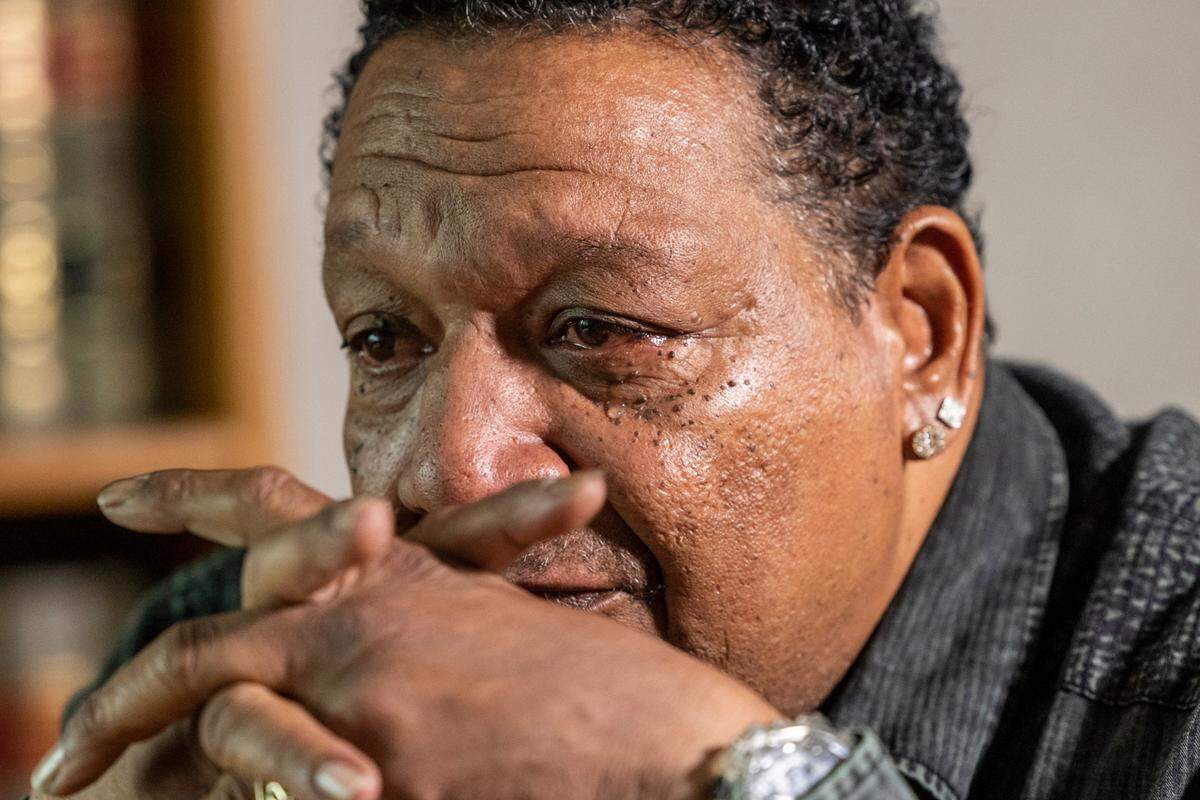
North Carolina law prevents the city of Durham from paying Darryl Howard the $6 million a federal jury awarded him for spending two decades in prison for a wrongful conviction, according to the city attorney.
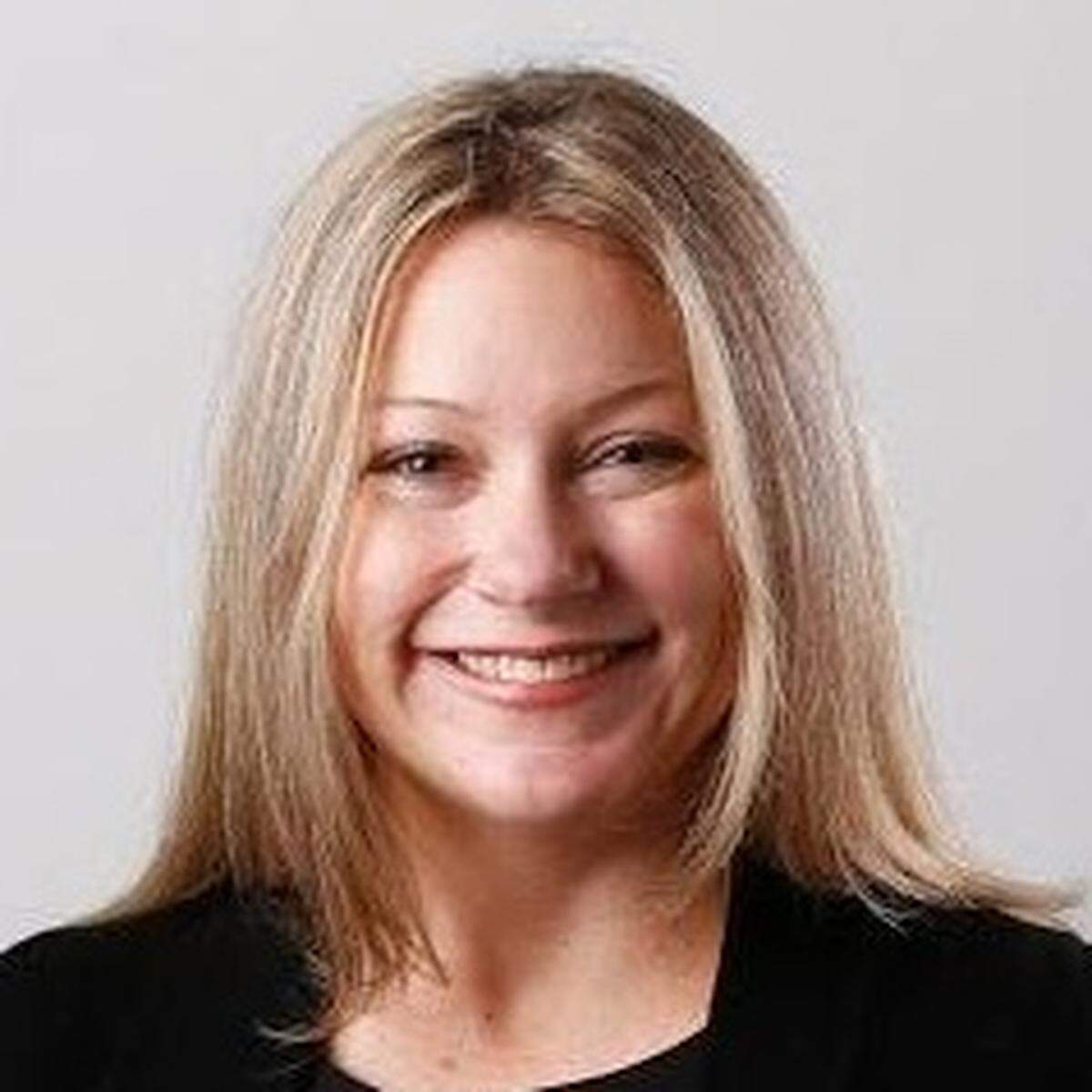
“The city’s hands were tied,” city attorney Kimberly Rehberg wrote in an email.
On Dec. 1 a federal jury awarded Howard $6 million after finding 36-year veteran Durham police officer Darrell Dowdy fabricated evidence and performed an inadequate investigation that led to Howard being wrongly convicted of two counts of second-degree murder and one count of arson in 1995.
The federal judgment was against Dowdy, but Howard and his attorneys argue the city should pay since it gave Dowdy the power that led to Howard spending over two decades incarcerated after a Durham County jury found him guilty of killing Doris Washington, 29, and her 13-year-old daughter, Nishonda, in 1991.
Howard and others also pointed to the $4 million in legal bills the city has paid to fight Howard’s lawsuit. The lawsuit initially named Dowdy, three other employees and the city. By the time the case went to trial, the defendants had been narrowed to Dowdy.
While the city of Durham paid for Dowdy’s defense, they declined to pay for the judgment, The News & Observer recently reported.
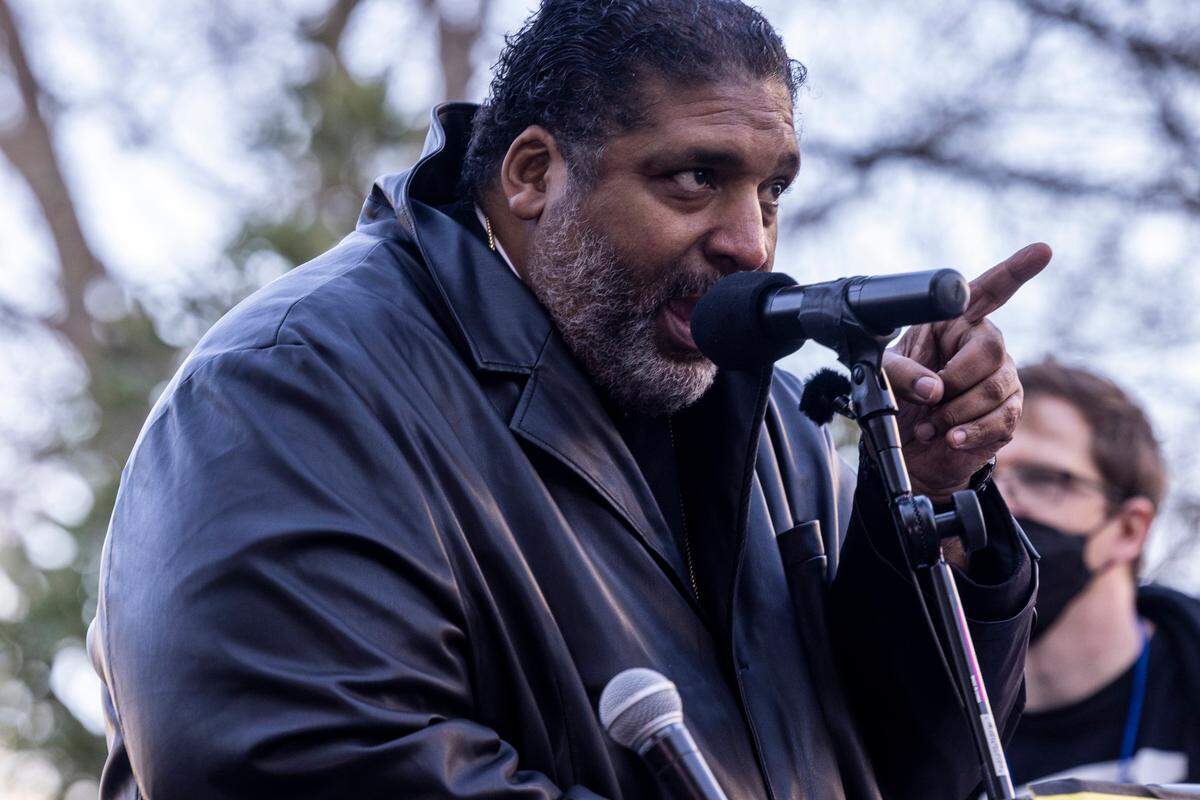
Many have been critical of that decision, including the Rev. William Barber II, the leader of the Moral Monday protests in North Carolina and co-founder of the national Poor People’s Campaign, who called for city officials to change their minds.
“At the end of the day, enough has been taken from this man,” Barber told The News & Observer. “Enough has been hurt in this man. If anything, the council ought to be running to do the right thing rather than putting this man through more trauma and more abuse than he has already experienced.”
North Carolina law
In an email last week, Rehberg provided additional information about the city’s position on the payment to Howard. The case marks the first time a jury has made “a bad faith finding” against a city employee, Rehberg has said.
Rehberg’s email was also critical of Howard’s attorneys, who said Durham’s decision not to pay was inconsistent with the progressive values city leader portray.
Rehberg’s email points to the city resolution that establishes uniform standards for defending and settling claims.
The resolution states judgments entered against city employees should be paid by the city if the employee “was engaged in the good faith performance of his duties” on behalf of the city.
State law authorizes cities to spend money to pay for a defense for city employees, Rehberg wrote, but prohibits the city from paying judgment for employees who “acted or failed to act because of actual fraud, corruption or actual malice on his part.”
“If the city were to pay a judgment on behalf of a city employee where there is a finding that the employee acted or failed to act because of actual fraud, corruption or actual malice, that would not be a public purpose and would be an improper and unauthorized expenditure of public funds,” Rehberg wrote.
‘This is their call’
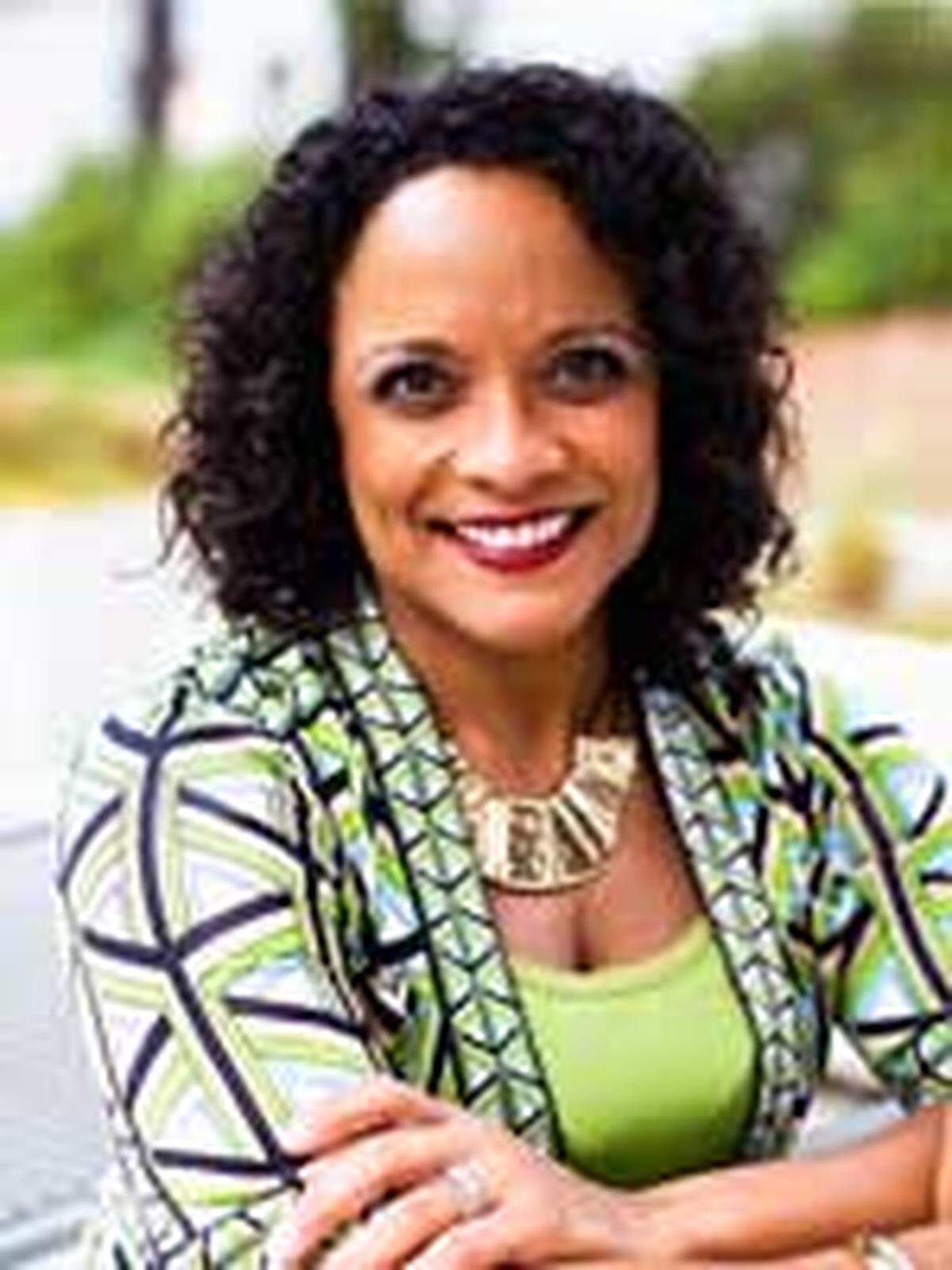
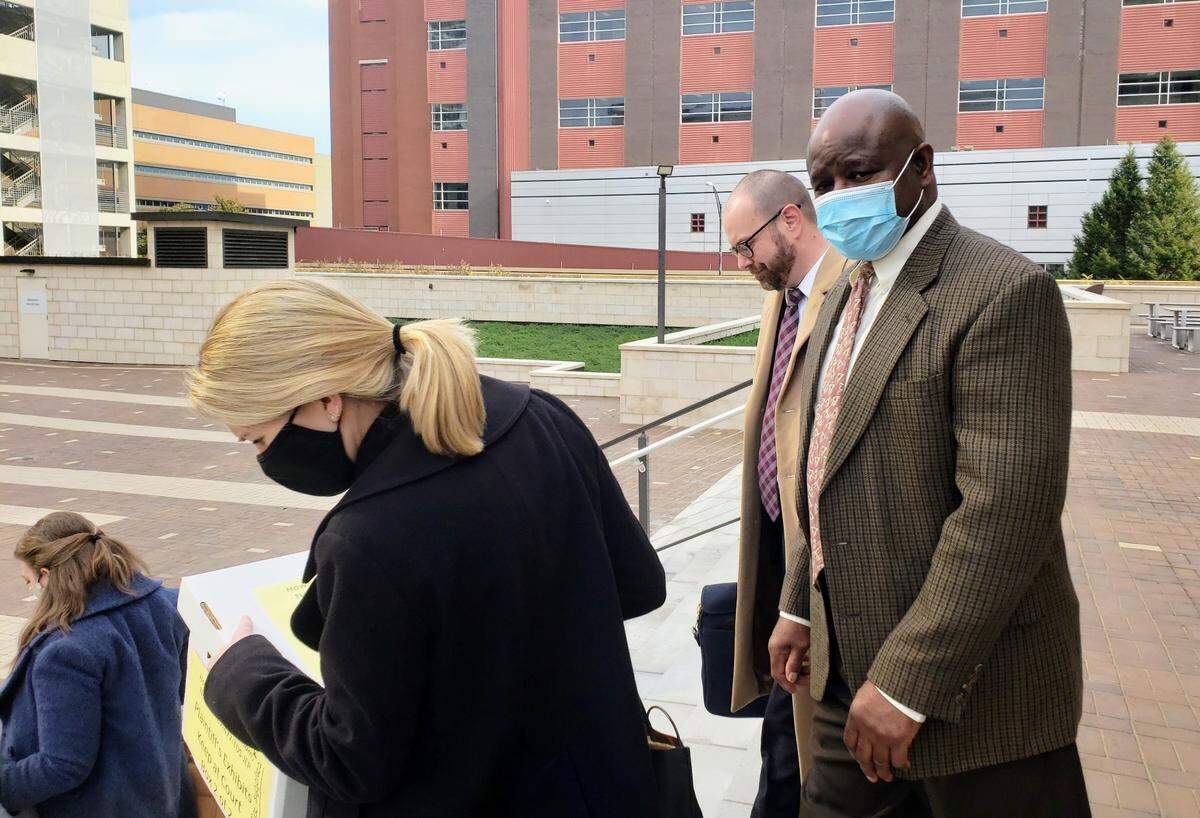
Brad Bannon, one of Howard’s attorneys, wrote that city officials “know this is their call, not a jury’s.”
The law Rehberg cites doesn’t mention a jury, Bannon wrote.
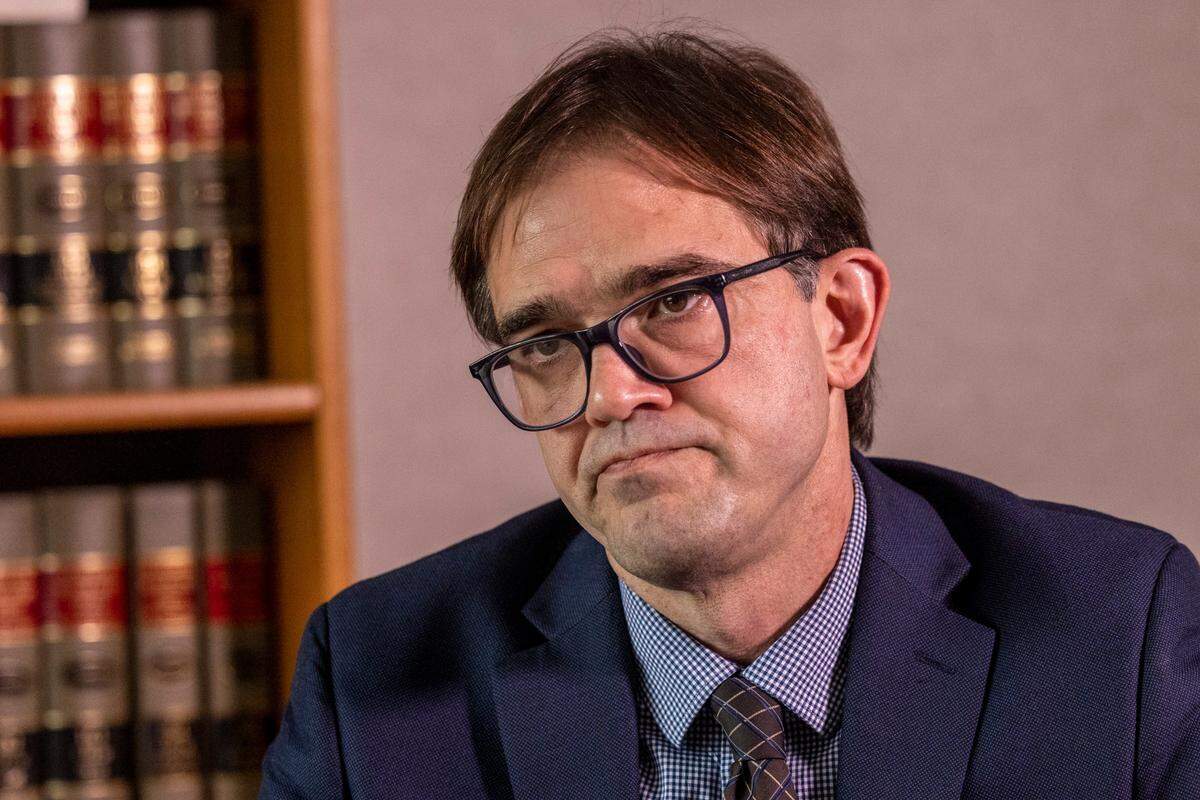
Patricia Shields, one of Dowdy’s attorneys, said the city’s decision to compare the federal jury’s decision to wording in the city’s resolution is inappropriate since they come from two different legal processes.
“Juries are given very specific issues to decide ... and instructions on how to consider those issues,” she said. “The three specific things that are set out as exceptions in those resolutions were not the issues decided by the jury.”
Bannon and Shields argue that the standard to decide to defend someone is the same as the one for paying the judgment.
“Five years ago, the city looked at all the facts and decided to defend its police misconduct,” Bannon wrote. “Five years later, the jury verdict changed nothing about those facts.”
The city’s hands aren’t tied, Bannon wrote, or they wouldn’t still be paying for Dowdy’s lawyers “to appeal and attack” that verdict.
This isn’t about a jury verdict against Dowdy, Bannon wrote; it’s about continuing to devalue Howard’s life and suffering.
“How do we know that? On top of not paying the verdict, the city is seeking a court order for Darryl to pay their attorney’s fees,” Bannon wrote. “Can you imagine the gall? You don’t have to, because there it is.”
The parties in the case are negotiating the payment of legal fees. Howard is asking the city to pay his fees, presumably millions of dollars. In a separate filing, Howard is also asking for about $2.5 million in pretrial interest.
Durham is asking Howard to pay legal fees for two city employees who were dismissed from the case.
After post-trial matters are resolved, the court will issue a final judgment, Rehberg wrote. Appeals could follow that final judgment.
Last week, The News & Observer left phone messages seeking comments from Mayor Elaine O’Neal and Mayor Pro-Tempore Mark-Anthony Middleton, who previously stated he couldn’t comment because of the ongoing case. Neither returned the messages.
Darryl Howard settlement offers
Rehberg also wrote that the city engaged in good-faith efforts to settle the case in three mediation conferences, before the case got to a situation in which the city now contends it can’t pay.
Howard’s attorney contends there were only two settlement conferences.
Howard and his attorney refused settlement offers, which were “remarkably close” to what the jury awarded, demanding the city to pay more than $19.35 million, Rehberg wrote.
“This isn’t true, and the city knows it,” Bannon wrote.
The city offered “nowhere near” the $6 million verdict or the $10 million or more Howard would be entitled to with attorneys fees, Bannon wrote.
Rehberg wrote the settlement offers were long before the city had incurred millions in defense costs.
“Given the $6 million award that Mr. Howard received from the jury, as opposed to the $19.25 million Mr. Howard’s attorneys continued to demand through three separate mediations, and the $48 million request they made of the jury, it is worth asking them why they refused to advise their client to seriously consider the offers from the city before the trial, when the city was clearly in a position to lawfully pay to settle the case on behalf of all defendants,” she wrote.
Bannon described this and other statements by Rehberg as “classic victim blaming.”
“Of course Darryl Howard refused to accept the city’s insulting and low-ball offers,” Bannon wrote.
$4 million to defend lawsuit
Rehberg also said the $4 million cost to defend the lawsuit covered not just Dowdy’s defense, but that of three other employees named in the lawsuit and the city itself:
▪ $1.5 million for defense of the city. The claims against the city were dismissed in 2020.
▪ $2.5 million for defense of Dowdy and three other employees. Claims against two of the employees were dismissed in 2020. The third employee was dismissed from the case just before the trial.
“The costs to the city in defending this case are reflective of Mr. Howard’s attorneys’ unwillingness to narrowly tailor the claims in the lawsuit and to be judicious regarding who they sued and for what,” Rehberg wrote.
‘Final trauma’
Bannon said the city paid $4 million for a defense strategy that fought accountability and trashed the character of Howard.
Howard’s attorneys asked the jury to award $48 million in damages. Dowdy’s attorney told the jury it should award no more than $500,000, considering his drug addiction, drug dealing and history of being shot about 10 times in five incidents.
“Then, after inflicting that trauma upon trauma, when their character assassination failed, Durham decided it would inflict the final trauma on Darryl Howard: they would just not pay what the jury found he deserved for all that trauma,” Bannon wrote.
Now, Bannon wrote, the city continues to inflict more trauma, “by continuing to blame the victim of their police misconduct, and by pretending they can’t do the right thing about it,” he wrote.

Closed sessions
The decision not to pay the judgment was made in a series of closed sessions between December and February. The sessions were closed to the public to receive legal advice from attorneys on how to respond to demands from Howard and Dowdy, Rehberg wrote.
“For obvious reasons, attorney-client consultations do not entail a public vote of the members of City Council,” Rehberg wrote.
When there is no longer active or anticipated litigation, the city will make available the minutes from those attorney-client consultations, , as is required by the law, Rehberg has written in a previous email.
Bannon also took issue the statements about closed sessions, saying city leaders could have put their decision on the record after talking with their attorneys.
“They hid everything, including the final decision, behind closed doors. And they’re still hiding behind the ‘pending litigation’ trope,” Bannon wrote. “This is what people do when they can’t defend a decision on principle. Not exactly a profile in courage, or open government.”
This story was originally published April 24, 2022 at 12:07 PM.