Judge weighs next steps after US attorney admits using AI in error-ridden brief
AI-generated summary reviewed by our newsroom.
- Assistant U.S. attorney admitted using AI during sanctions hearing.
- Judge weighing sanctions and office responsibility under conduct rules.
- U.S. Attorney requested DOJ investigation and scheduled internal training.
A longtime assistant U.S. attorney facing sanctions for filing a legal brief with numerous errors admitted using artificial intelligence to help draft the document.
Now-former Assistant U.S. Attorney Rudy Renfer said in court Tuesday that he thought he had edited and fact-checked the brief that AI helped draft. In reality, he sent an unfinished draft to his assistant, directing her to file it with the court.
“I take full responsibility for what happened,” Renfer said during the sanctions hearing for himself and his employer, the U.S. Attorney’s Office for the Eastern District of North Carolina.
The errors have already cost him dearly.
Renfer lost his job after resigning from the position he had held for 17 years, he said. The Eastern District’s U.S. Attorney W. Ellis Boyle has asked the Department of Justice’s Office of Professional Responsibility to investigate Renfer in a cumbersome process that “takes a good long while,” Boyle said.
And on Tuesday afternoon, Renfer was the target of U.S. Magistrate Judge Robert Numbers II’s ire and skepticism as he sought answers to why so many mistakes ended up in Renfer’s briefs.
“It truly is disappointing to find myself in this position with any attorney,” but especially a U.S. assistant attorney whose powerful position is supposed to serve the people, Numbers said.
Numbers summons U.S. attorneys to sanctions hearing
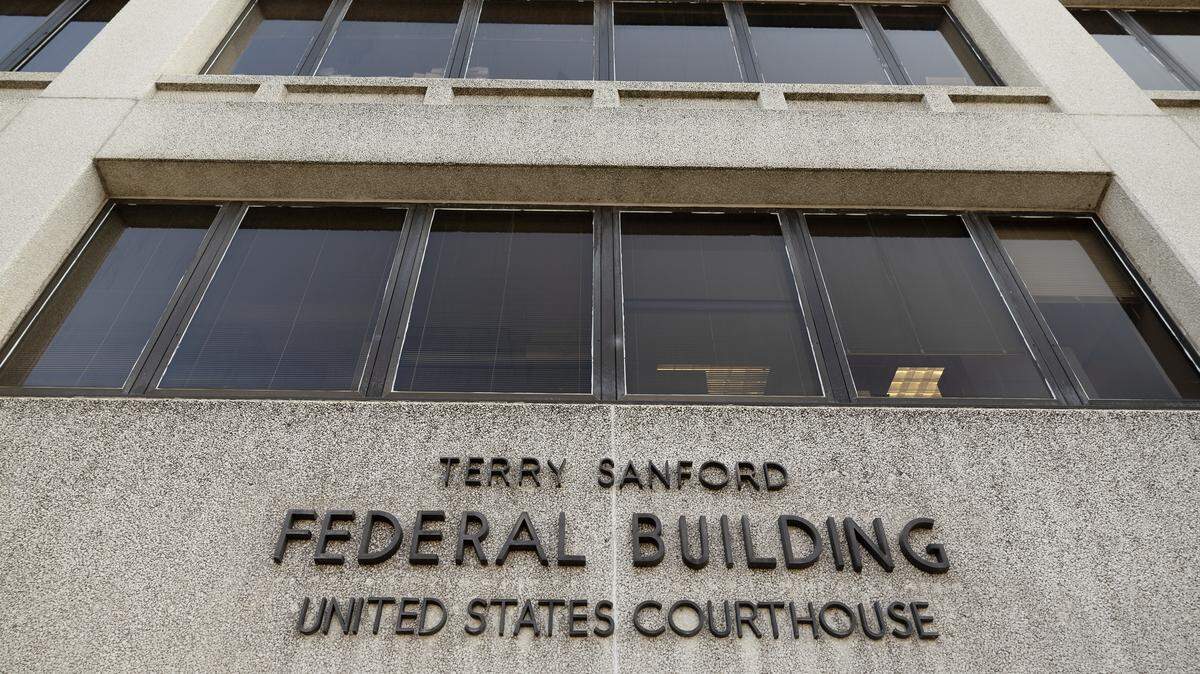
Numbers called for the sanctions hearing earlier this month. The issue grew out of a North Carolina veteran’s fight to restore his health insurance coverage for popular GLP-1 weight-loss drugs.
In August, Derence Fivehouse, a retired Air Force colonel who lives in Edenton, filed a civil lawsuit to challenge the change. At the end of December, Fivehouse, who worked in the Air Force’s litigation section, flagged fabricated quotes and inaccurate descriptions of court cases in a brief Renfer filed earlier that month.
In a January court filing, Renfer attributed the errors to an “inadvertent filing of an unfinalized draft.”
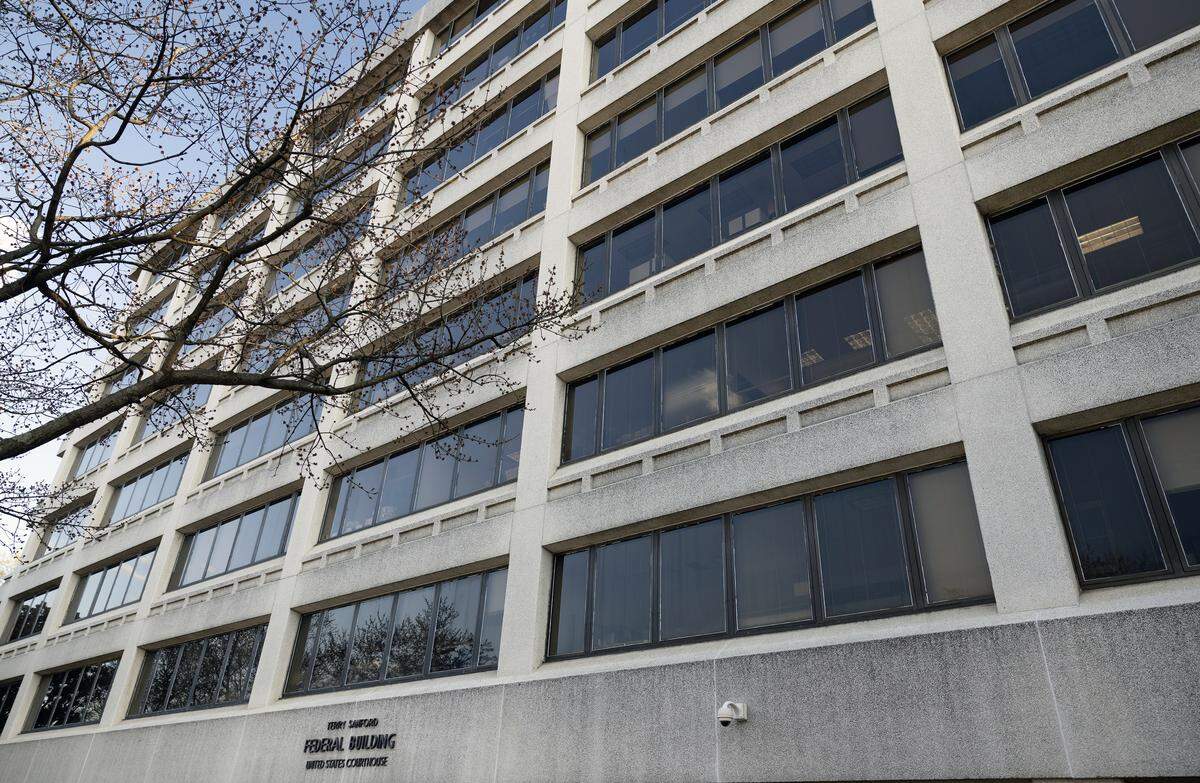
After reviewing Renfer’s response, Numbers summoned him and his colleagues to court to explain why they shouldn’t be sanctioned.
Numbers’ list of problematic conduct includes fabricated quotes, misrepresentations of previous cases, and “making false or misleading statements regarding how and why the fabricated quotations and misstatements appeared,” in the filing.
The federal rules for the sanctions process also require an attorney’s office to be held responsible for any violations, unless there are exceptional circumstances, Numbers’ summons points out.
If Numbers finds that Renfer or the office violated federal rules on attorney conduct, the sanctions could include a fine, additional training, or suspension from practicing before the court.
Renfer takes the stand
At the start of Tuesday’s hearing, Boyle apologized to Numbers and called the inaccurate filing “unacceptable.”
“There is no good excuse,” Boyle said.
After learning in January about the errors in Renfer’s court filing, Boyle sent a warning letter to the rest of the staff and scheduled training.
“We intend to make sure it is not repeated,” Boyle told the judge.
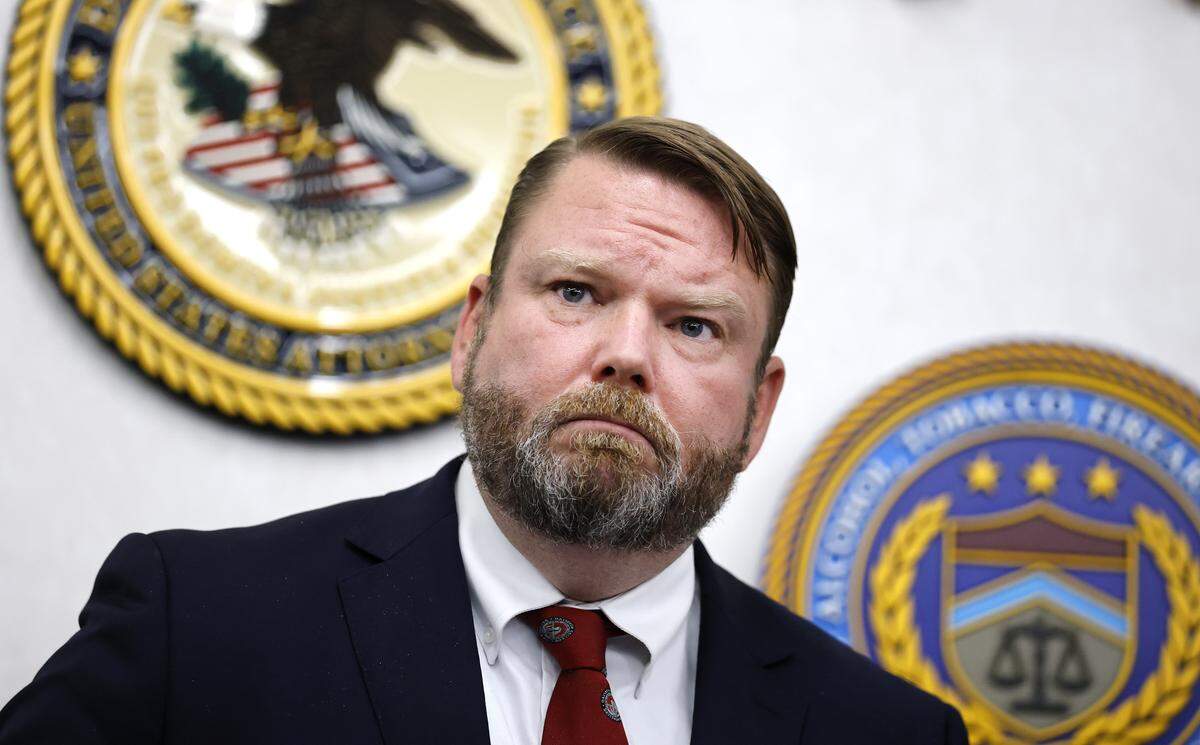
Following Boyle’s statement, Numbers called Renfer to take the stand.
Renfer read a statement taking responsibility for the mistakes, emphasizing that he didn’t knowingly file false information.
Numbers, pointing to errors in some of Renfer’s other briefs, said he needed more information. Renfer then admitted to using AI to draft the brief, a mistake that has derailed other attorneys’ careers across the country.
Renfer said he had typed up the brief on Dec. 18 but had somehow overwrote it while saving the file. When he opened the document a few days later and found it incomplete, he “panicked” as the court deadline loomed.
“I used artificial intelligence to catch me up to where I was,” Renfer said.
Renfer thought he had gone through the document and checked it, he said, but instead sent a draft with the inaccurate information to his assistant to file.
In response to Numbers’ concerns about errors in other filings, Renfer said he made an initial mistake in a filing and repeated it when he cut and pasted wording into other briefings as the case progressed.
Judge expresses ‘grave concerns’
Numbers said he has “grave concerns” that the use of artificial intelligence isn’t limited to the one case. Numbers didn’t include the concerns about filings in other cases because the mistakes weren’t as egregious, but “at best” showed “repeated sloppiness.”
Renfer said he used artificial intelligence in previous filings to create outlines but not in drafts.
Numbers then asked why Renfer needed to take shortcuts on basic arguments.
“Your honor, I saw it as a tool,” to “be a better worker for the office,” he said.
Numbers said he was also concerned about Renfer’s statement that the office’s civil chief had approved of Renfer’s initial responses, which didn’t disclose the use of artificial intelligence.
Boyle said the civil chief has since left the office to work elsewhere in North Carolina, but Boyle didn’t recall her involvement as Renfer described.
At the end of the hearing, Numbers said he would consider the information and decide whether to issue a decision or call another hearing to get more information, possibly from the civil chief.
He closed the hearing, saying he appreciates the steps Boyle is taking.
“I am heartened” by the response, he said.
This story was originally published March 11, 2026 at 8:10 AM.