This bacteria-sniffing beagle is NC hospital’s secret weapon against deadly infections
Harley is a member of an elite class of trained professionals. She has a very important job at Vidant Medical Center in Greenville, and she uses her nose to do it.
The 2-year-old beagle works with an East Carolina University doctor to detect Clostridioides difficile (C. diff) bacteria in patients’ rooms and on medical equipment at the hospital to keep the facility sterile and patients safe from serious infection.
Dr. Paul Cook, a professor of medicine and chief of the Division of Infectious Diseases in the Brody School of Medicine at ECU, monitors C. diff at the hospital as part of his job. He read about another dog sniffing out this bacteria and asked Vidant Health to sponsor a program for their facility.
Harley is one of the world’s only dogs that sniffs out C. diff and the only one in the United States, Cook said.
He added that C. diff is the No. 1 infection that originates in hospitals nationwide. It can cause severe diarrhea, abdominal pain, fever and sepsis. Patients older than 65 can die from the infection.
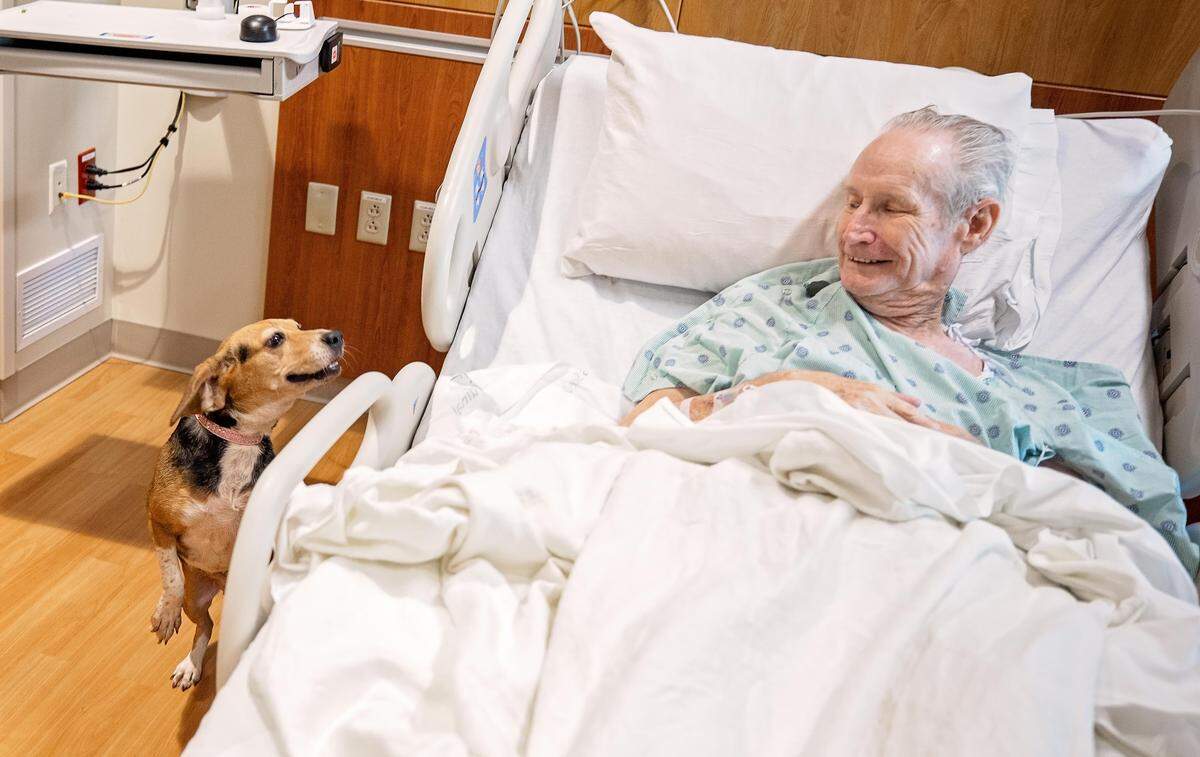
With more than 200 million receptors in their noses, beagles are able to identify the scents and smell out the infections a lot better than people can. Beagles are also perfect for the job because they’re small, friendly dogs that people wouldn’t be afraid of when they see them in the hospital.
Training and dog treats
Keith Pittman and his wife, Laura, founded Sniff Us Out, LLC and trained Harley for 8 months at their kennel in Greenville. The program was rigorous for the beagle and involved a lot of treats.
Pittman, who retired from ECU’s medical school, used a sample of C. diff to teach Harley how to track down the bacteria. When she finds it, she sits down to alert her trainers. Then, she was rewarded with a treat. It’s similar to training dogs to hunt or find bombs and drugs.
“It’s great to be able to combine the science world and the dog training together,” Pittman said.
And he’s proud to help improve patients’ health.
“It gives us an opportunity to give back to the community, which we’ve always been taught to do,” Pittman said.
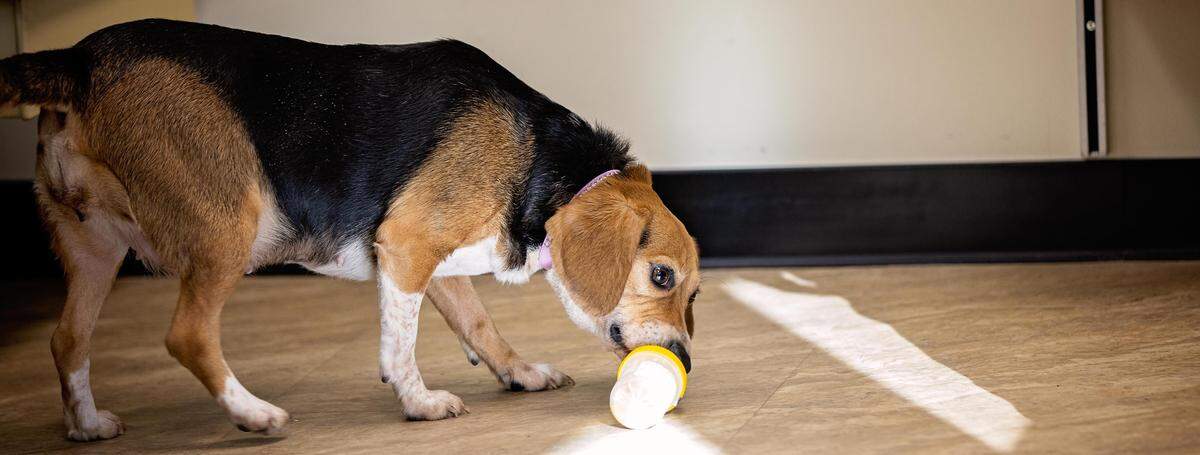
The Pittmans say there’s a need for these dogs in hospital,s and they’re working on training more for the job. It’s difficult training and two other dogs have already flunked out of the program. But they’re training a German Short-haired Pointer, which they’re optimistic about because the dogs are taller than beagles and can reach more areas around patients’ rooms.
Twice a week, Cook meets Harley and Pittman in front of the Vidant cancer center with a map of where they’ll be working, which focuses on an area of the hospital that recently had C. diff cases.
They go looking for the C. diff spores in those patients’ rooms, in hallways and on medical equipment that’s already been cleaned. After Harley detects the spores, the area is re-cleaned with bleach. Harley checks the area again and if it’s clear, they move on.
How C. diff bacteria grows
Harley and Cook have been working together for about five months, and they’ve found C. diff in about half of the 25 rooms they’ve checked.
The C. diff bacteria grows when people take antibiotics. It can live on bed frames, doorknobs, cleaning carts and medical equipment like portable X-ray machines and ultrasounds. It spreads easily and can infect people who touch surfaces that have been contaminated with fecal matter from an infected patient. It’s particularly common in places like hospitals, nursing homes and long-term care facilities.
Cook said the hospital doesn’t have a big C. diff problem, and the rate is lower than the state average and about half of the national average. That makes it hard to show big improvements. The impact isn’t going to happen overnight.
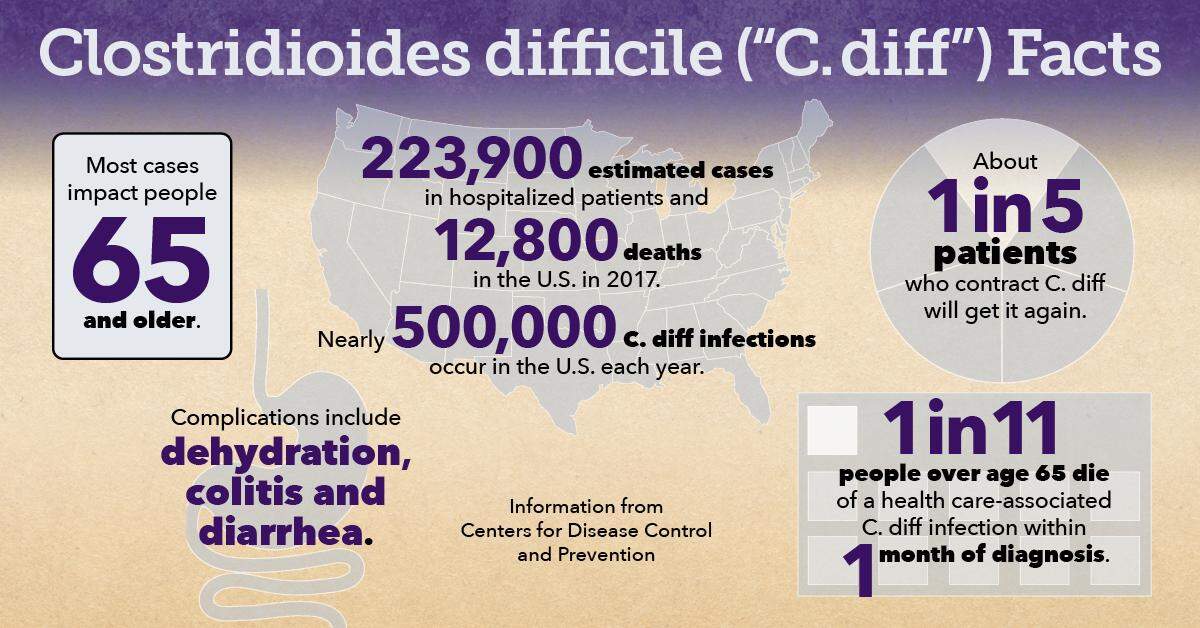
The program could expand, Cook said, and help improve the environments at other hospitals across Eastern North Carolina and the nation.
Antibiotic drugs are highly associated with C. diff, Cook said, so this helps the hospital determine when it should limit or restrict the use of antibiotics, especially with elderly patients. Hospital officials also using this approach to go after the environmental sources that are potential problems.
Cook said the estimated cost to the hospital for what Harley does now is about $25,000 a year.
And that’s “a drop in the bucket” compared to what a single C. diff infection can do.
This story was originally published January 23, 2020 at 10:55 AM.