From Trekkie to ‘Star Trek’ science consultant: Duke professor lives out his dream
Duke University biology professor Mohamed Noor joins fellow Trekkies every Thursday to see the latest episode of the television show “Star Trek: Discovery.”
But Noor has a very personal interest when each new episode is posted on CBS All Access, the streaming service for CBS. Noor is watching to see if any of his contributions as one of the “Star Trek” franchise’s newest scientific consultants appears on screen.
“I feel very honored and privileged to have been able to contribute to it,” Noor said in an interview with The News & Observer. “It’s very rewarding to hear (lead show character) Michael Burnham say a word I said. I literally want to scream every time.”
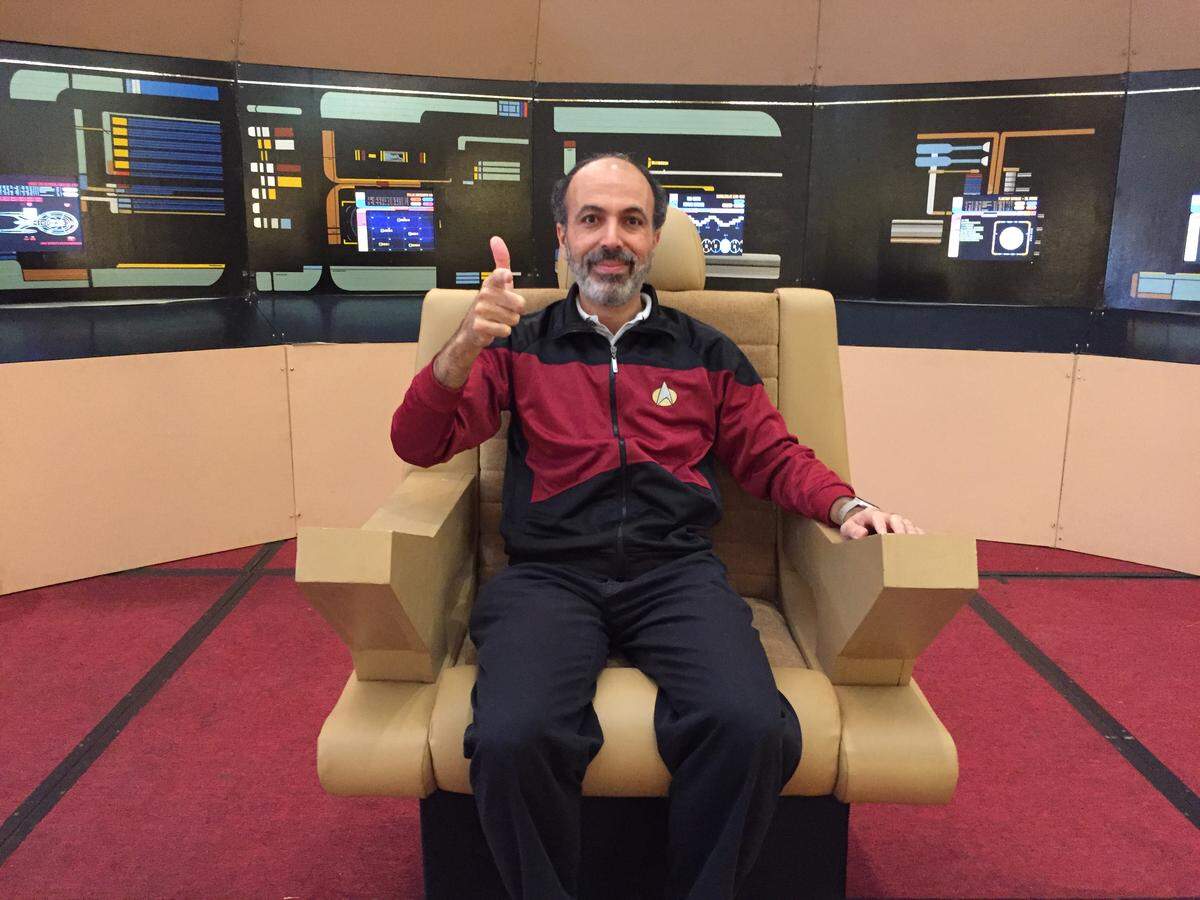
Noor’s work on “Star Trek: Discovery” fulfills his lifelong dream of combining his interest in science and science fiction.
Lifelong ‘Star Trek’ fan
Noor, 49, is an award-winning scientist in evolutionary genetics and dean of natural sciences at Duke University’s Trinity College of Arts and Sciences. He lives in Durham after having joined Duke in 2005.
The lifelong “Star Trek” fan has been speaking at science fiction conventions for several years. In 2018, Noor wrote “Live Long and Evolve: What Star Trek Can Teach Us About Evolution, Genetics And Life On Other Worlds,” which he’s used to teach a class at Duke about genetics.
But his official entry into the “Star Trek” franchise came after he met actress Jayne Brook in 2018 at Dragon Con, a sci-fi convention that brings 80,000 fans to Atlanta each September. They bonded in part because Brook, who had a recurring role on “Star Trek: Discovery” (and starred on the CBS medical drama “Chicago Hope” in the ‘90s), is a Duke alumnae.
Noor mentioned his interest in consulting to Brook. She showed Noor’s book to a friend who is one of the show’s writers. The Duke connection ultimately led to Noor talking with Michelle Paradise, the co-showrunner of “Star Trek: Discovery.”
Noor signed his first “Star Trek” consulting contract on May 2019. But he wasn’t allowed to publicly reveal his connection to the show until earlier this year.
Sciencing ‘Star Trek’
Under the terms of his contract, Noor can’t publicly discuss his specific contributions to “Discovery” until the season ends in January. But you can see his name in the episode end credits.
In general, Noor said his job is to use his knowledge of biology to help the writers tweak any issues they may have with their stories.
Noor said he might be asked to review the general outline for an episode or story arc to help “science it out.” But Noor says he realizes he just can’t say no.
“The science can’t trump the story,” Noor said. “This isn’t an episode of ‘Nova.’ It’s ‘Star Trek.’”
Instead, Noor will look for ways to make the science more plausible. He sometimes sends scientific citations with his suggestions to the writers so that he can help defend his answers to potential critics.
For instance, Noor said the writers might be looking for ways to make an alien invisible. Noor said he’d read various scientific papers and might suggest how something may disrupt the nerves in the back of people’s eyes that would appear to make the alien invisible.
“The answer can’t just be ‘We don’t (make them invisible),‘” Noor said. “Or else their answer might be to come up with an ‘invisibility ray gun.’”
Noor says that Erin MacDonald, an astrophysicist who is on retainer as a science consultant for “Star Trek,” may also run show thoughts by him. They first met at conventions and had become friends long before working together on “Star Trek.”
Using ‘Star Trek’ to explain biology
His work on “Star Trek” has allowed Noor to broaden his mission of using science fiction to pique people’s interest in biology. He created his BioTrekkie website (www.biotrekkie.com/home) and a YouTube page (bit.ly/3rp6Hh3) where he uses examples from “Star Trek” to explain scientific concepts.
“Since there seems to be such interest, I thought it would be fun to create a YouTube series,” Noor said. “It was a way for people to see content without having to pay for it.”
Noor has continued to teach at Duke during the COVID-19 pandemic. But the pandemic has also given him time to speak on podcasts and give virtual talks.
People won’t have many fond memories of 2020 due to the coronavirus. But at least Noor got eased it into better than most people.
Back in March, he was one of the guest speakers on a “Star Trek” cruise filled with nearly 3,000 fans and stars from the franchise as the ship toured the Caribbean.
Noor kept “office hours” at 8:30 a.m. over breakfast. He was surprised by the long line of people waiting to chat with him each morning about science.
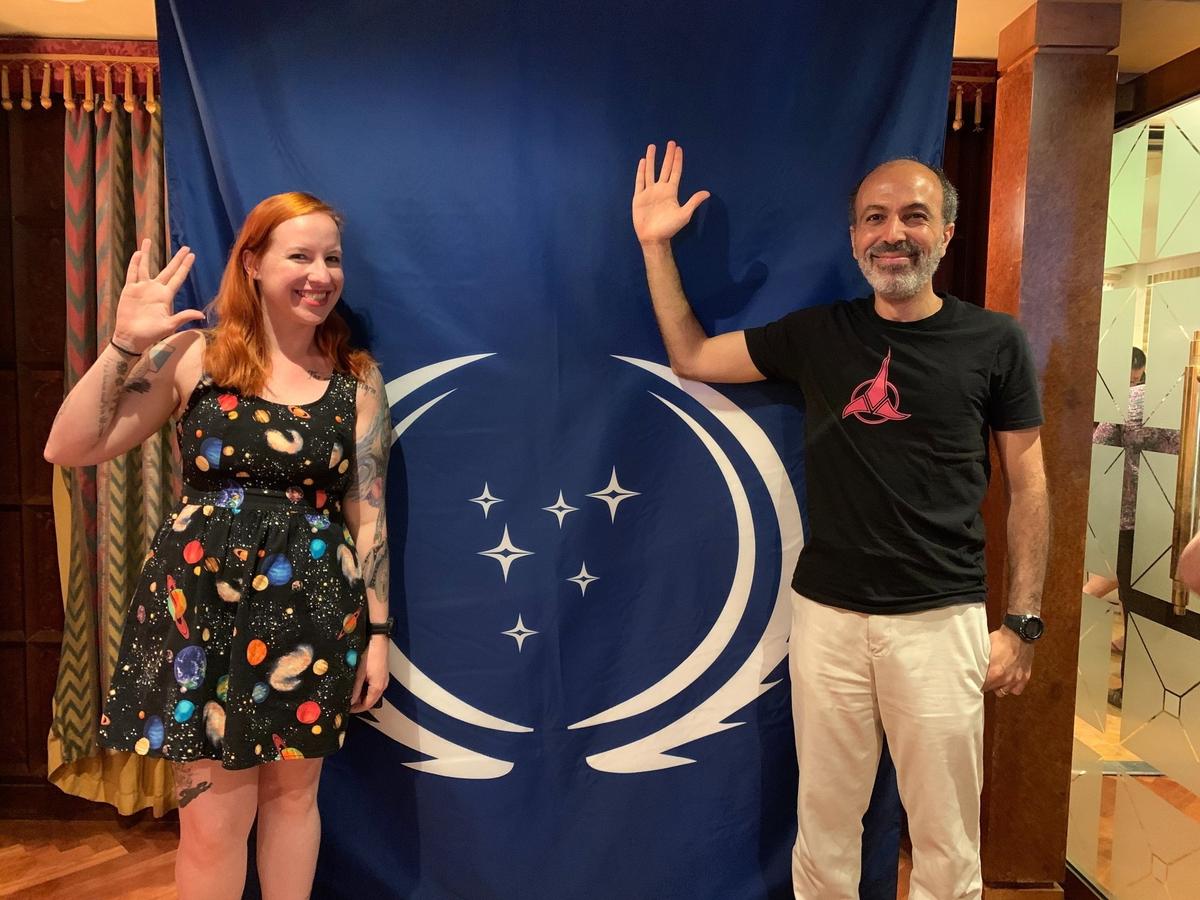
But even at that early point in the pandemic, Noor said some people were opting to give the Vulcan salute — hand raised, fingers parted between the middle and ring fingers in a V — instead of shaking hands.
“If there was a way to start isolating for a pandemic, it was a good last hurrah,” he said.
This story was originally published December 29, 2020 at 12:15 PM.