NC board to change school name with slavery ties, study another from segregation era
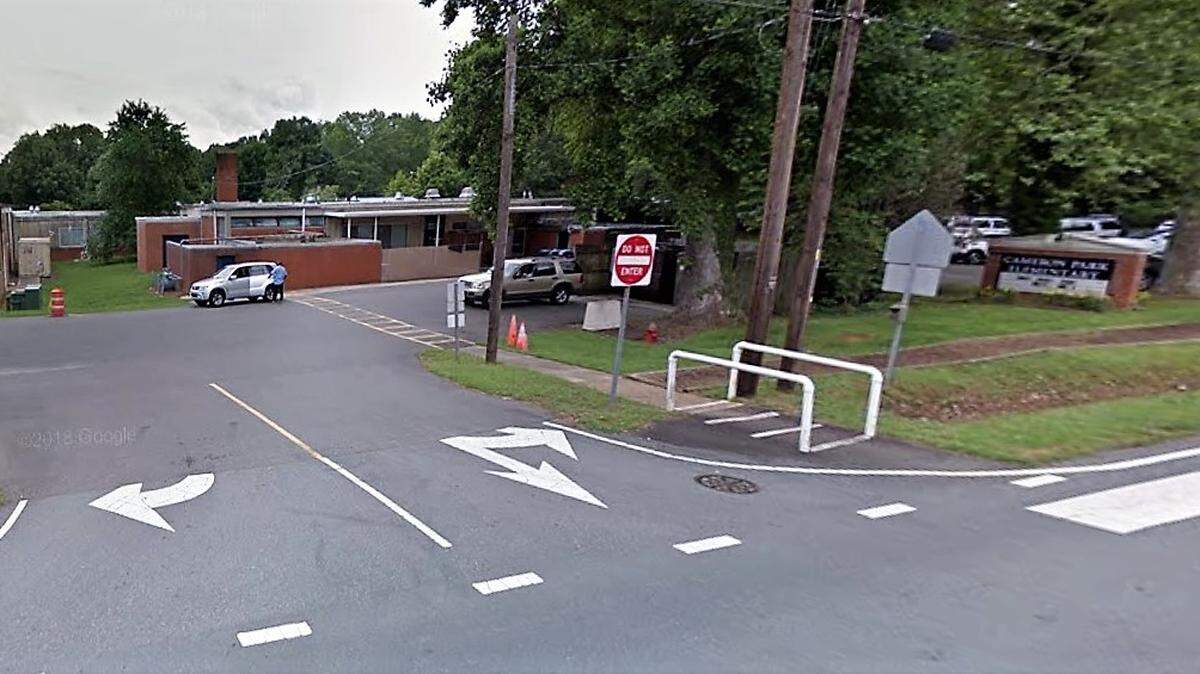
A Hillsborough elementary school named for one of the state’s most prominent slave holders will get a new name this summer.
The next step is choosing a new name for Cameron Park Elementary School, Orange County school board Chair Hillary MacKenzie said after a short discussion about two district school names.
A report also identified C.W. Stanford Middle School as a name worth a closer look. It is named for Charles Whitson Stanford Sr., who was a county school board member from 1941 to 1967 and the board’s chair for 16 years.
The unanimous decision to change Cameron Park’s name took very little time Monday, because its namesake Paul Carrington Cameron was one of the state’s richest men who amassed over 30,000 acres across the Piedmont before his death in 1853 and at one time his family owned over 1,000 enslaved people.
The Cameron name also was dropped in January from Cameron Village in Raleigh. The newly named Village District was built in the late 1940s on former Cameron family land.
As difficult as the conversation about that history and the proposed name change might be, Orange County school board member Carrie Doyle said it’s an important discussion. Board member Brenda Stephens agreed.
“Let me say that while renaming schools roads and highways and all that (is good), it’s not a replacement for justice, but I think it can be a part of it, and it’s a good start,” Stephens said. “I certainly agree with the whole Cameron Park piece, because anybody who’s engaged in the subjugation and the enslavement of human beings, it is a real tough pill to swallow.”
The district decided to research all 13 district school names as part of a 14-step strategy that the board approved in September to address “persistent racial intolerance, inequities and academic disparities.”
Dena Keeling, the district’s chief equity officer, worked with school administrators, school-based equity leads and school-based equity teams to to identify schools “named after any persons who actions or complicity contributed to racial discrimination, intolerance, and oppression.”
The work included digging up historical references and newspaper stories, as well as interviews with community members. The information was provided to the board in a report late last year.
‘Unfair to his memory,’ Stanford grandson says
However, Stanford’s family only learned about the plan Monday morning, his grandchildren told the board, and they wondered why no one had contacted them to ask about their grandfather’s legacy. The district’s report doesn’t provide sources or appear to include a review of Stanford’s voting record while on the school board, his grandson James C. Stanford said.
He asked the board to table its discussion until district staff can provide more information.
“I would argue to you that this is supposed to be research based in equity or equitable in nature. How can that be when it’s so patently unfair to his memory?” said Stanford, an attorney and former Orange County clerk of court.
“And I will tell you from my perspective if this were evidence or opinion, and it were presented in a court of law, it would be thrown out,” he said. “I’m very proud of my family’s service to Orange County, and I think you should be also.”
Board members agreed that Stanford’s legacy is more complicated than Cameron’s. They asked district staff to bring more information to the board’s next work session.
Stanford served at a time when the county resisted integration and did not allow Black residents to speak at board meetings, Superintendent Monique Felder said Monday. Hillsborough’s all-white Orange High School wasn’t fully integrated with the all-Black Central High School until 1968 — 14 years after the Supreme Court’s landmark Brown vs. Board of Education decision.
“Although Stanford may have been supportive of education, his support did not seem to extend to members of the Black student body and community,” Felder said.
“The condition of equity calls for fostering a barrier-free environment for all students regardless of their race, class or other personal characteristics; countering unfair policies, programs and practices; and allocating resources for equitable outcomes,” she said. “These were not the actions of the OCS school board during C.W. Stanford’s tenure as a member of and as the chair of the board.”
Board member Bonnie Hauser and others recommended the board spend more time examining that history. Hauser noted that the history of Stanford with which she is familiar celebrated the county’s first integrated high school.
“I think we have an obligation … to think deeper (about) our community and understand this history fully,” Hauser said. “I just think that in many circles, C.W. Stanford is a proud name for our black and white community.”
Board member Jennifer Moore, who supported renaming both schools, said her decision is not making a judgment about Stanford’s personal actions, but the racial inequities during his administration.
“I’ve spoken with people of color from that generation, and they advised that during that Board of Education’s timeframe, people of color were not allowed to attend board meetings and the overall community of color lost trust in the school board and the district, and the same feelings of distrust are very present today,” Moore said.
“I feel like going forward this name change could be a step towards regaining trust of communities of color, and it’s very important for communities of color to know that we are actively addressing inequities,” she said.
Board member Sarah Smylie agreed, adding that she wished the board had spent more time talking with Stanford’s family about the district’s plans because that history is more recent.
“I don’t think it’s wise for us to try to pass judgment on Mr. Stanford, but to me, naming a school after someone who one way or another was a part of that time and was associated with that period of time is just very challenging to me, so that’s not something I’m going to be able to support,” Smylie said.
This story was originally published February 9, 2021 at 3:04 PM.