Wake school policy aims for ‘equity for all students.’ Critics say it’s Marxist.
A proposal to have Wake County schools root out systemic biases and culturally biased instructional materials has put the district in the middle of a statewide and national fight over how to teach about race.
Wake County school administrators unveiled Wednesday a draft equity policy that says schools need to go beyond preventing intentional discrimination to also target “systemic, even if unintended, biases that can be seen or detected.” School leaders said this approach, which includes having courageous conversations about race and ethnicity, will better meet the educational needs of all students.
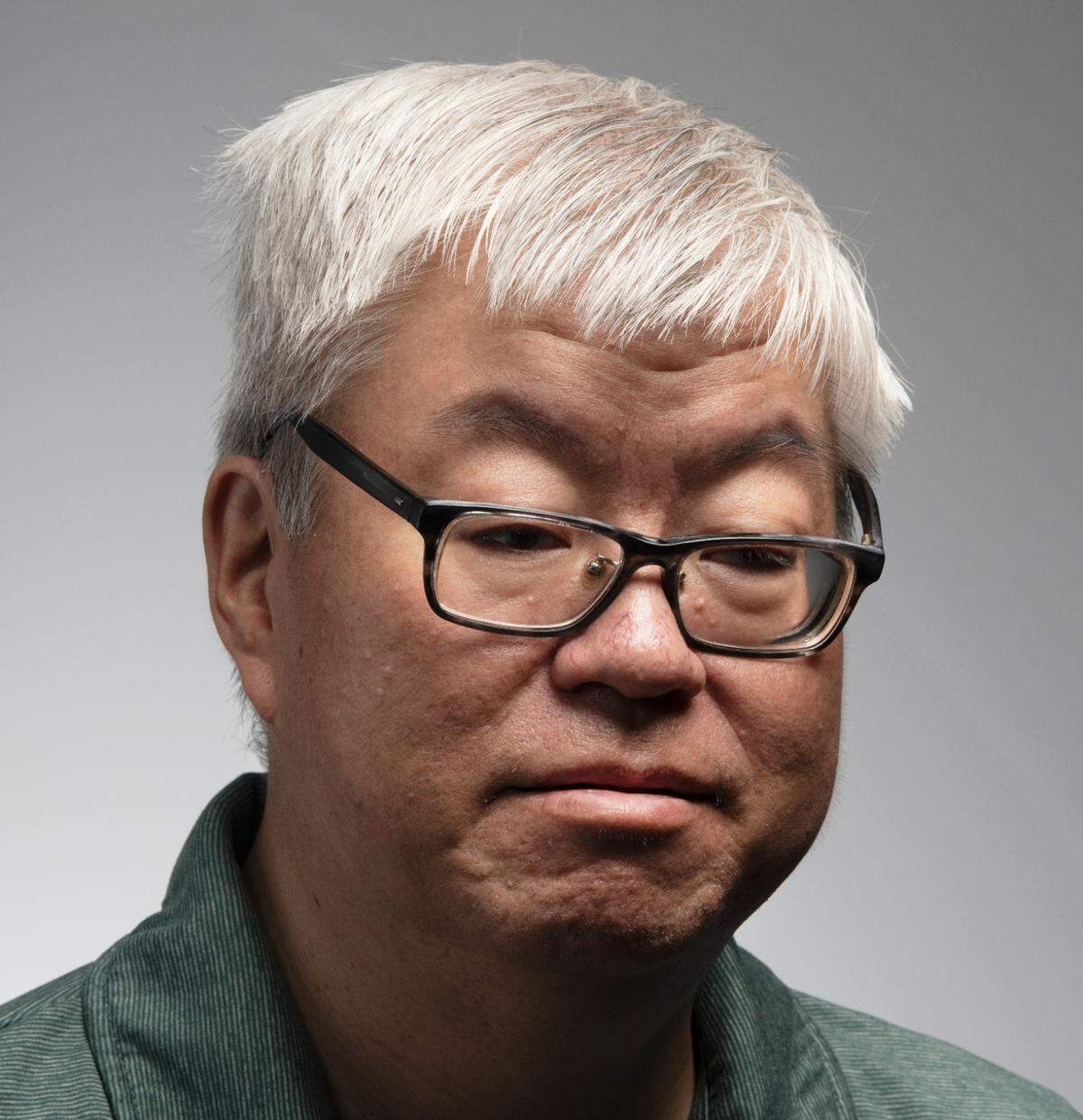
“We felt it was important that an equity policy define the term equity so that we were all on the same page,” said Rodney Trice, Wake’s assistant superintendent of equity affairs. “The policy should also recognize the historical impact of systemic inequity within the district and the commitment to creating more equitable schools.”
But critics say the equity policy is part of an approach called “Critical Race Theory,” a “scholarly framework that describes how race, class, gender, and sexuality organize American life,” according to the UNC-Chapel Hill history department. This view holds that systemic racism has been and continues to be a part of the nation’s history.
Critics call it Marxist, anti-American, racist and destructive. Concerns about critical race theory led state Republican House lawmakers to pass a bill last week that puts new rules on how schools teach about race and history, including not promoting teaching that would make students feel guilt or discomfort due to their race or sex.
“As a taxpayer, father, Uncle and more I strongly object to a philosophy which sees white people as evil and black people as weak,” Daniel Cusimano wrote in public comments submitted to Tuesday’s Wake school board meeting. “Please speak directly to your intentions to promote or not promote the Marxist doctrine of Critical race theory.”
Wake says it uses culturally responsive teaching and not Critical Race Theory. Critics argue they’re one in the same.
Wake has also come under national fire for hosting a conference in 2020 in which teachers talked about topics such as Critical Race Theory, white privilege, male privilege and why teachers should wear Black Lives Matter shirts.
“I bring up that ugly incident (criticism of Wake) just to say that there are people that are going to try to not unite us for the good work that we’re doing but divide us around this issue,” said school board member Chris Heagarty.
Defining school equity
The new policy defines educational equity as “raising the achievement of all students while narrowing the gaps between the lowest and highest performing students and eliminating the racial or cultural predictability and disproportionality of which student groups occupy the highest and lowest achievement categories.”
Students who are Black and/or low-income tend to be overly represented when it comes to suspensions and in special-education programs. But they also tend to be under-represented when it comes to academically gifted programs.
The policy’s equity principles call for looking beyond individual acts of prejudice to the systemic biases.
The policy has several action steps including:
▪ Recruit and retain diverse and culturally competent administrative, instructional, and support personnel.
▪ Offer opportunities to improve culturally responsive instructional practices, curriculum and assessments.
▪ Identify culturally biased instructional materials and assessments that result in achievement disparities, and eliminate practices that lead to the over-or under-representation of any student group.
Pandemic exposed inequities
Wake school leaders said Wednesday that the past year of learning during the coronavirus pandemic shows why an equity policy is needed now.
“More than ever, the pandemic has exposed and brought to bear a number of systemic inequities across our district, and across the community and society,” said school board chairman Keith Sutton.
“Technology divides, access to broadband Internet not just across the state in urban and rural, but even right here in Wake County. Access to health, academic and educational inequities. The list goes on.”
The school board will spend the next several months, if not longer, working on the draft equity policy.
“The last 14 months have seen such a time of polarization in our community, within our school system, nationally,” said board member Christine Kushner, chairwoman of the policy committee. “I think at this time having this conversation might be a hard conversation for us as a board.
“But I think this current makeup of this board for Wake County Public Schools can really bring our community together around this idea of equity for all students.”