Why Durham Public Schools is changing its students dress code, and what it will allow
When Jenny Jones Coldren sews, her 9-year-old daughter loves to sit nearby and design outfits.
She mixes leftover fabric and patterns into unique shirts, usually crop tops. She loves tying her T-shirts in a nod to 1990s fashion. Once, she wore a dress as a halter top.
As things stand now, however, she can’t wear many of the creations she is proudest of to school.
The Durham Public Schools currently bans halter tops and bare midriffs.
The school board is set to vote this week, however, on a new dress code that would allow these, as well as hats, undergarment straps and fitted pants.
“I know my daughter loves to wear crop tops,” said Jones Coldren, a former teacher who asked that her daughter’s name and school be omitted for privacy reasons. “I’m kind of glad not to have to fight her on that anymore.”
What students wear
Work on revising the dress code began in 2019, Superintendent’s Chief of Staff Tanya Giovanni said at the board’s June 9 work session.
The district consulted with the superintendent’s advisory council of high school students, as well as the superintendent’s Teacher Advisory Committee and principals from across DPS.
The proposed new policy allows most clothes if they cover “private areas,” defined as breasts, buttocks and genitals.
It would allow bra straps and midriffs to be visible, along with underwear waistbands, though pants could not go low enough to show any more of the underwear. In addition, students violating the code would be spoken to in private, with at least two adults present.
“[The changes] are reflective of what students wear,” school board member Natalie Beyer told The N&O. “They maintain the prohibitions on items that reflect hate speech, but otherwise offer policies that more reflect children being children and their fashion choices.”
The new dress code also explicitly allows traditionally Black hairstyles such as locs and braids, as well as traditional African hair coverings including geles.
A sophomore at Hillside High School called on the district to protect Black hair styles after she was penalized for her beaded hair during a softball game last year, the Southern Coalition for Social Justice reported.
Durham parents previously protested the district’s dress code in 2016, ABC 11 reported, after members of a student group were not allowed to wear geles to school.
A more inclusive policy
While neither the new nor old policy referred to students’ gender, the district’s dress code has disproportionately affected female-identifying students, often over the length of skirts and shirts.
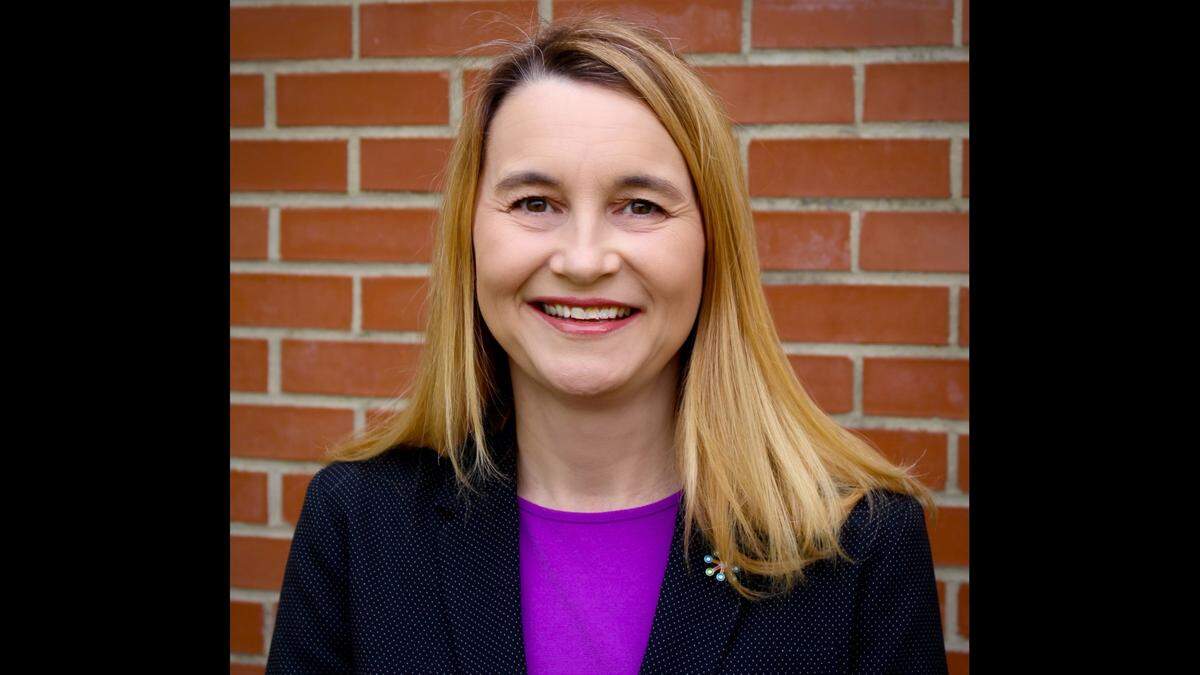
“Creating policies that are respectful and reflective of students and affirm their choices to express themselves at school certainly empower[s] changes that are not as gendered as our old policy,” Beyer told The N&O.
Students didn’t follow a dress code on Zoom, she added, so allowing them to continue wearing what was comfortable during virtual instruction also helps smooth the district’s return to in-person classes.
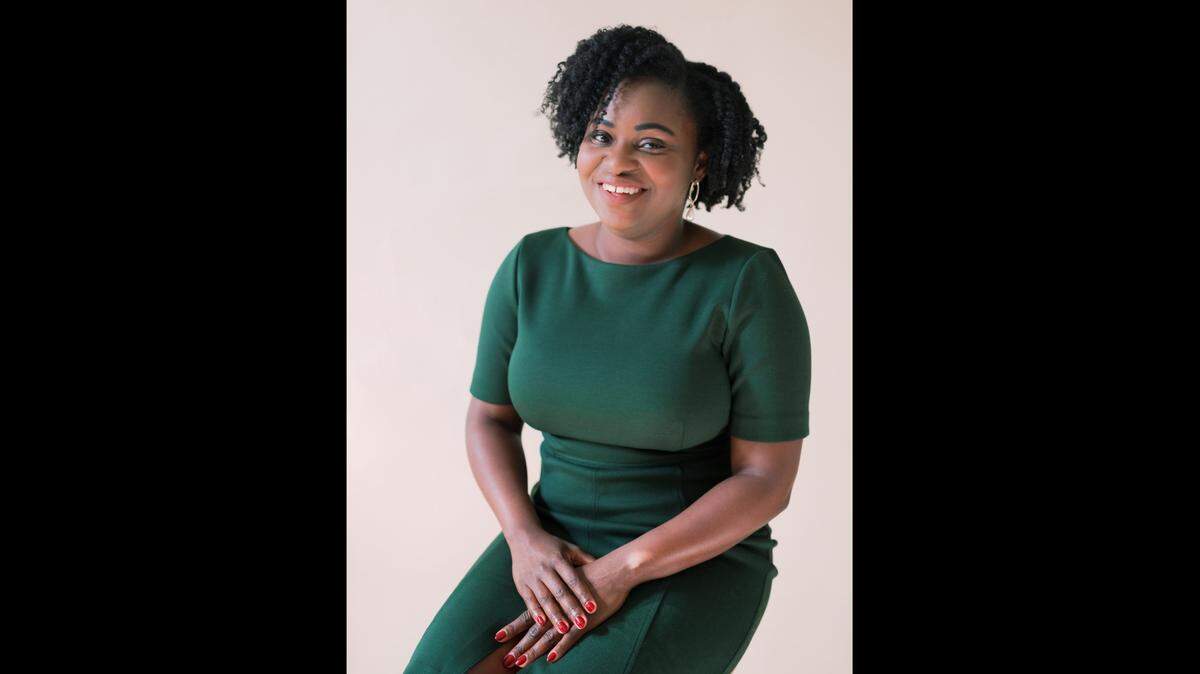
Board Chair Bettina Umstead said the changes should make the dress code more inclusive by using language that applies to all students, regardless of their gender identity.
“This language really is just being clear about, as people who come into our buildings, this is what we ask you to wear,” she said.
The board hasn’t received any pushback on allowing visibility of bra straps and underwear waistbands. Some on the advisory committee, however, were concerned about tube tops and head coverings.
The guidelines would let students wear hats and hoods, as long as they do not cover faces or ears.
At the board’s June 9 work session, Giovanni said several faculty advisers asked that the board retain the ban on hats and hoodies, with exceptions for religious wear.
Model Student Dress Code
The revised policy is based on a Model Student Dress Code created by Oregon NOW in 2016, used as the basis to reform the dress code in Portland schools.
“[The model code] is protective of everyone’s identity of any sort, as long as it’s not going to harm someone,” former Oregon NOW President Lisa Frack said.
Dress code debates within DPS mirror the conversations that took place within NOW, she said.
In the draft code presented to the board, some DPS principals noted it would be difficult to identify students with their hoods up or to make sure they were listening to the teacher instead of ear buds.
The Superintendent’s Teacher Advisory Committee, meanwhile, wrote that banning hoods advances stereotypes regarding perceived criminality of Black students.
A similar debate took place in Portland, Frack said.
That’s why the model code allows hoods, but only if students keep their faces and ears visible.
Frack also stressed that stricter dress codes don’t always align with which clothes are accessible to students.
“What’s for sale in the stores is what kids are wearing,” she said. “So to tell people they can’t show their midriff when that’s essentially all that’s for sale, and all everyone wears outside of school, is just difficult.”
Dress codes and discipline
Initial advocacy in Portland, Frack said, also focused on protecting female-identifying students from over-policing in school discipline systems.
“When someone gets [dress-]coded, they’re more likely to talk back or get themselves in actual trouble.” she explained..
Umstead said DPS found that female-identifying students violating the dress were frequently pulled out of class, while male-identifying students were just told to fix their outfits. Ensuring the dress code does not hold students back from their education, she said, has been a major equity concern for parents as the proposal was researched and written.
Jones Coldren, who has taught at three Durham elementary schools. said unequal dress code discipline can enforce harmful racial stereotypes alongside gender biases — something she said she’s considered a lot while raising a Black daughter within DPS.
“People do perceive Black women as more sexual than their white counterparts,” she said. “And we know that that becomes a way that Black girls are pushed out of public school system.
Jones Coldren’s own daughter has violated the dress code a few times, and her friends say enforcement has been stricter at the high school level.
The proposed dress code revisions, she says, feel like a start in the right direction.
“As a woman, to have to police that at all, and now as the mother of a child and me knowing what the dress code is so intimately,” Jones Coldren said, “it just seems like there’s way too much thought put into what’s appropriate in terms of clothing.”
Letting kids dress how they want boosts confidence and improves students’ educational experience, she said.
“Self expression is really important,” she said. “Especially for children who really struggle in the school setting.”
What’s next
The board will vote on the code at their Thursday, June 23, meeting. In the meantime, Beyer said the district will follow up with DPS principals on the hat and hoodie debate, and will continue to collect feedback from the DPS community.
This story was originally published June 20, 2022 at 5:40 AM.