Chapel Hill-Carrboro wrestles with police officers in schools. Here’s what they’re doing.
School resource officers will remain on most middle and high school campuses in Chapel Hill and Carrboro this fall, but there could be new limits on the role they play.
The school board voted 5-1 Thursday night, after a lengthy conversation about school safety and the district’s 33-year SRO program, to renew a contract with police for now.
Board members also agreed to add behavioral health specialists in all schools and consider potential changes by July 20, including how to better track SRO interactions with students and complaints about those interactions.
The vote also established a pilot program that will put a full-time mental health specialist in one middle school that has not had a school resource officer for six months.
That school, which was not identified, “is probably the best place to start a pilot program,” Superintendent Nyah Hamlett said, adding that it also has had the second-highest number of students referred for discipline because of fights.
School board Chair Deon Temne voted against renewing the SRO contract.
One officer also isn’t enough to secure an entire school, he said, arguing that it’s more important to ensure safe and secure schools than focus on a program meant to build relationships between students and law enforcement.
“I really don’t want you on campus at all, because I cannot protect those children because I don’t know your intent,” Temne, who is Black, told Chapel Hill Police Chief Chris Blue and Carrboro Police Chief Chris Atack, both of whom attended Thursday’s meeting.
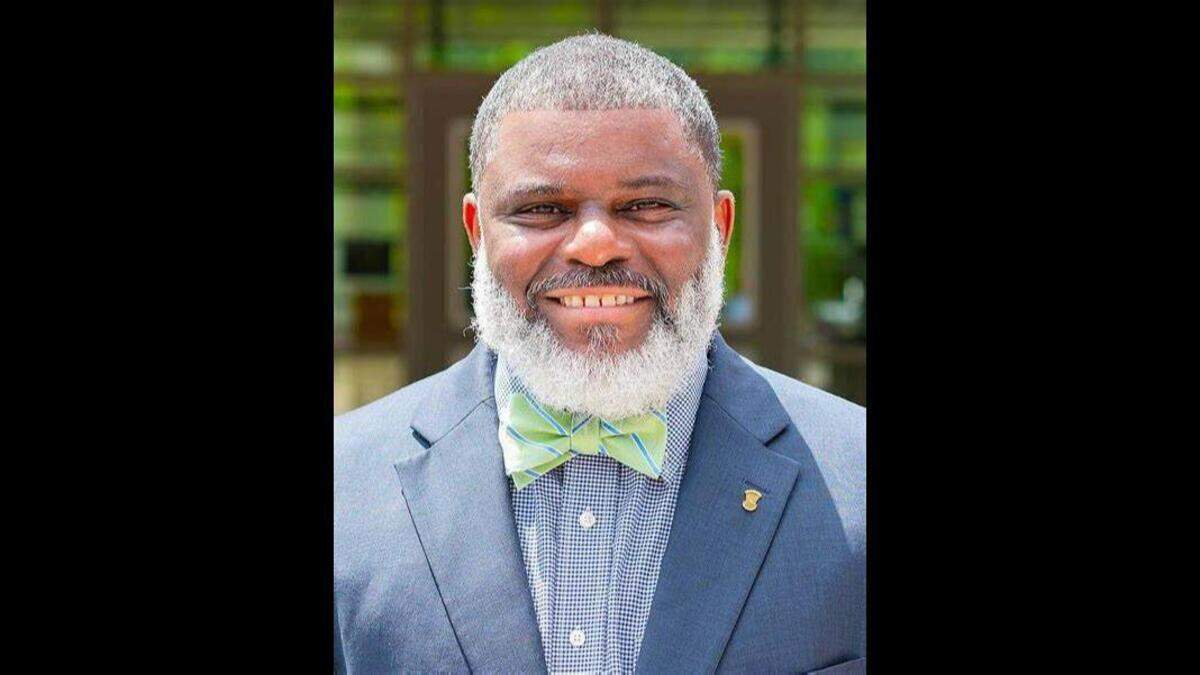
“Do we need law enforcement for securing our buildings? Yes. Do I need them to talk to little Johnny every day in the cafeteria? I disagree,” Temne said. “So what could you share, or if you think about it, what could you say to some parent like me?”
Those points are legitimate, Blue said, but could be addressed with modifications to the contract. Local police share the district’s interests in securing the school campuses and not criminalizing student behavior, he said.
Atack, who worked as a district SRO about 20 years ago, said SROs are just another layer of security and an option to help kids in crisis.
“We’re not here to create records for people. We are not here to charge underage folks, but we have dealt with a lot of kids in crisis ... and that’s what we’re dealing with on a weekly and daily basis,” Atack said. “The SRO’s individual role in the community and the school ... is to de-escalate and to be that one more resource that could maybe make a change in that kid’s life.”
Board member George Griffin, a former school administrator and principal, agreed that SROs are not the solution to school safety, but they do serve a valuable purpose, especially when considering the current national climate, he said.
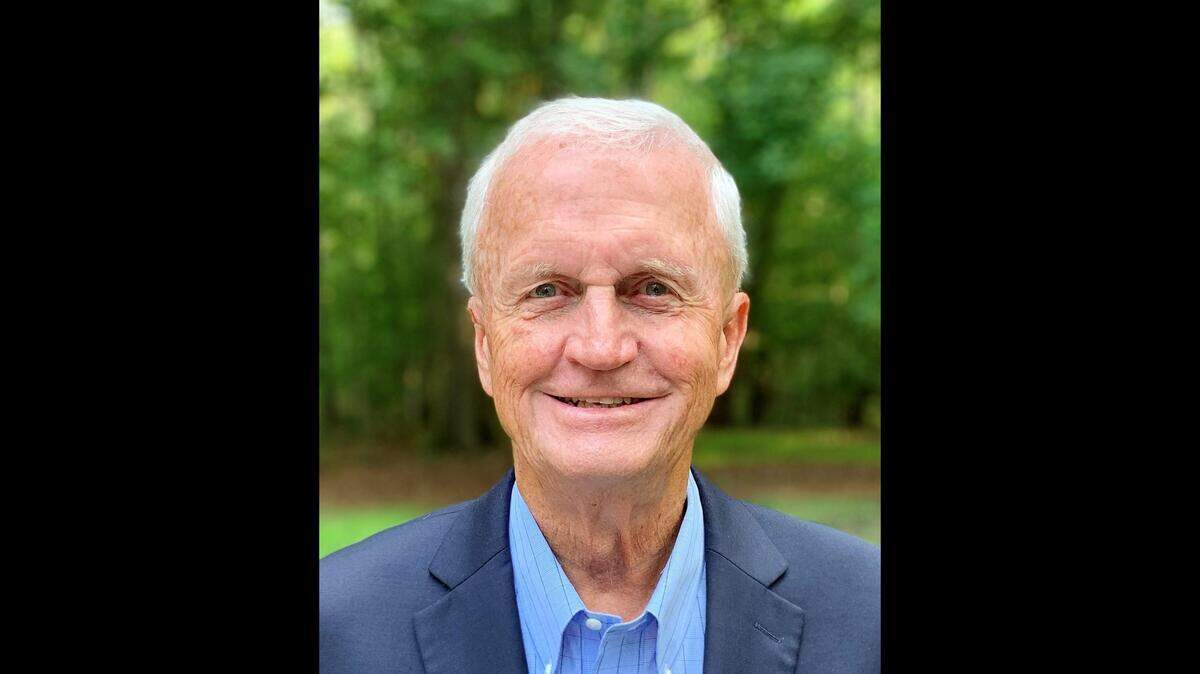
“Racism, gun violence, public animosity right now towards one another is at a level in our society like I’ve never experienced in my lifetime,” Griffin said. “We all can acknowledge that and wish it was different, but it’s not the times that we live in. Our local police aren’t going to solve these issues, however, they have been helpful many times in ways that don’t show up in statistics.”
Board Vice Chair Rani Dasi, who suggested the middle school pilot program, tried to tread a middle ground, noting that the key to reducing the need for police officers is creating an environment where safety is normal.
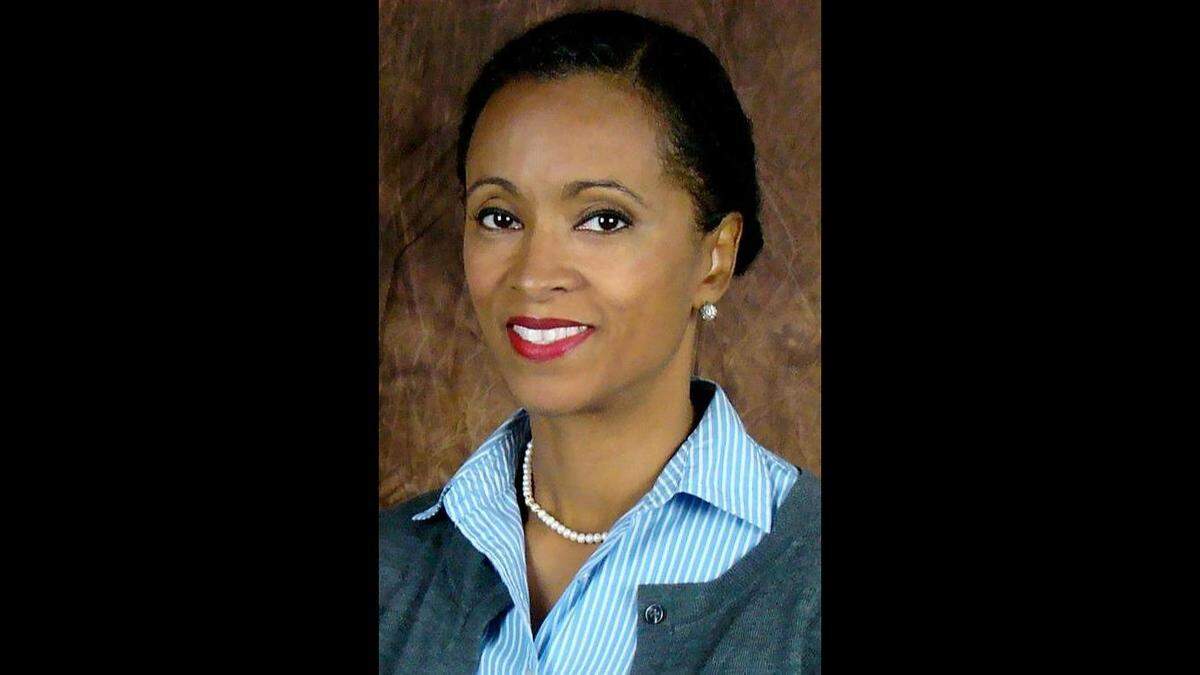
“Thinking about the elements that really create structural safety — elements like having a caring community, having trusted adults, having trauma-informed supports and learning tools to manage emotions — when these are missing we see more need for corrective actions like law enforcement,” Dasi said.
Training SROs to work in schools
The National Association of School Resource Officers estimates there are 14,000 to 20,000 SROs in schools nationwide.
The National Center for Education Statistics reported in 2018 that 42% of public schools have an SRO onsite at least one day a week. Fewer private schools employ SROs, the center said.
SROs are sworn law enforcement officers, who in addition to their typical training, also get 40 hours of School Resource Officer Training, plus 400 hours of N.C. Justice Academy training to be certified.
Other programs train them in how to handle active shooters, juvenile cultural sensitivity, racial equity, special populations and students with disabilities, restorative practices, and nonviolent crisis intervention techniques.
Chapel Hill and Carrboro police officers have served as school resource officers in the district’s middle and high schools since 1989.
Orange County sheriff’s deputies fill the same role in the Orange County Schools district, which also appointed a task force to review the role of SROs in 2021. OCS officials also hired a security director in May to update and supervise their security and safety protocols.
The county pays for the program in both districts and has budgeted $1.1 million to keep the program going next year, as well as more money to hire mental health resource professionals. Roughly 59% of that money would go to the Chapel Hill-Carrboro City Schools, based on enrollment.
The current contract was first implemented in 2018 and has led to less involvement by officers in disciplinary issues. Most interactions have been at the request of school administrators, Griffin said.
Chapel Hill-Carrboro Safe Schools Director Tracy Holloway, who also is Black, said he also leans toward keeping the SRO program. There haven’t been any issues in the local schools, he said, although sometimes the law requires principals to get police involved.
George Floyd, policing questioned
In 2020, the community joined a national conversation about the role of law enforcement, including SROs, after the murder of George Floyd and other Black Americans killed by police. The CHCCS district let its contract with the police departments expire in June 2020, at the peak of the COVID-19 shutdown and while students were attending virtual classes.
The Wake County school board had a similar conversation last year before deciding to keep SROs in those schools at least through June 2024. The board addressed concerns from activists who wanted to remove police from schools with new rules and tighter restrictions on when SROs should intervene and how much force they can use.
Durham residents asked the Durham Public Schools to also reconsider the use of school resource officers in 2020, but a 2019 Student Climate Survey of roughly 7,000 students found that about half worry about crime and violence in school and 80% feel safer with security on campus.
Durham County Sheriff Clarence Birkhead suggested at the time that the DPS school resource officer program should be revised.
Chapel Hill and Carrboro residents opposed to renewing the SRO contract also cited concerns about over-policing of schools and whether the program was effective or had potentially negative effects on the social and emotional outcomes for students of color.
Supporters noted that SROs, in addition to providing physical safety and security at school, also build relationships with students that allow them to be mentors and head off issues involving drugs, alcohol and weapons.
SRO task force, report
In July 2020, the Chapel Hill-Carrboro school board appointed task force with over 40 members, including board and district officials, students, staff, mental health specialists, PTA and education groups, and racial equity organizations, to study the district’s security and safety, including the SRO program
The task force met 16 times before failing to reach a consensus last year. In July 2021, the district reorganized the task force and temporarily restored the SRO program as students returned to school.
The school board recently received the task force report, which offered several options:
▪ Keep the SROs in schools, but let school climate and behavioral health professionals and/or administrators take the lead in disciplinary issues.
▪ Replace SROs with security guards, supplemented by mental health and behavioral staff and/or school administrators.
▪ Rely solely on school administrators and mental health and behavioral staff.
The report also included the results of surveys and focus groups that found roughly 83% of district staff and 79% of students surveys said they feel safe in their schools. The survey also found that over 85% of students and staff, across all racial and ethnic lines, had “favorable views of SROs’ treatment of others irrespective of race or ethnicity.”
A similar percentage reported that SROs contribute to the safety of their school, the report said.
Board member Riza Jenkins noted another statistic in the report, which showed that Black students, while they make up about 11% of the district’s students, represented 39% of the interactions with school resource officers in which the student’s race was reported.
Hispanic students, who make up nearly 18% of the student enrollment, were involved in 17% of the SRO interactions, she said.
“That just really made me wonder, again, are we continuing to utilize SROs in a way that we truly intend on, and then also looking at the proposed options as well? What does that look like going forward?” Jenkins said.
There were 563 total interactions with SROs last year, including positive interactions and other non-criminal issues such as support and wellness.
Board member Ashton Powell, a teacher at the N.C. School of Science and Mathematics in Durham, also expressed concerns about the SRO program, noting that even if 20% of students feel uncomfortable with police in schools, that’s not acceptable.
“It’s not that I don’t want the SROs in there,” Powell told the police chiefs. “I don’t want the American police force in my schools, unless they make some changes — and you all can be leaders in that in the country.”