Durham is picking a new school board member. Here’s why.
The Durham school board is set to pick a new member this week after one if its longest-serving members left to join the Durham Public Schools Foundation.
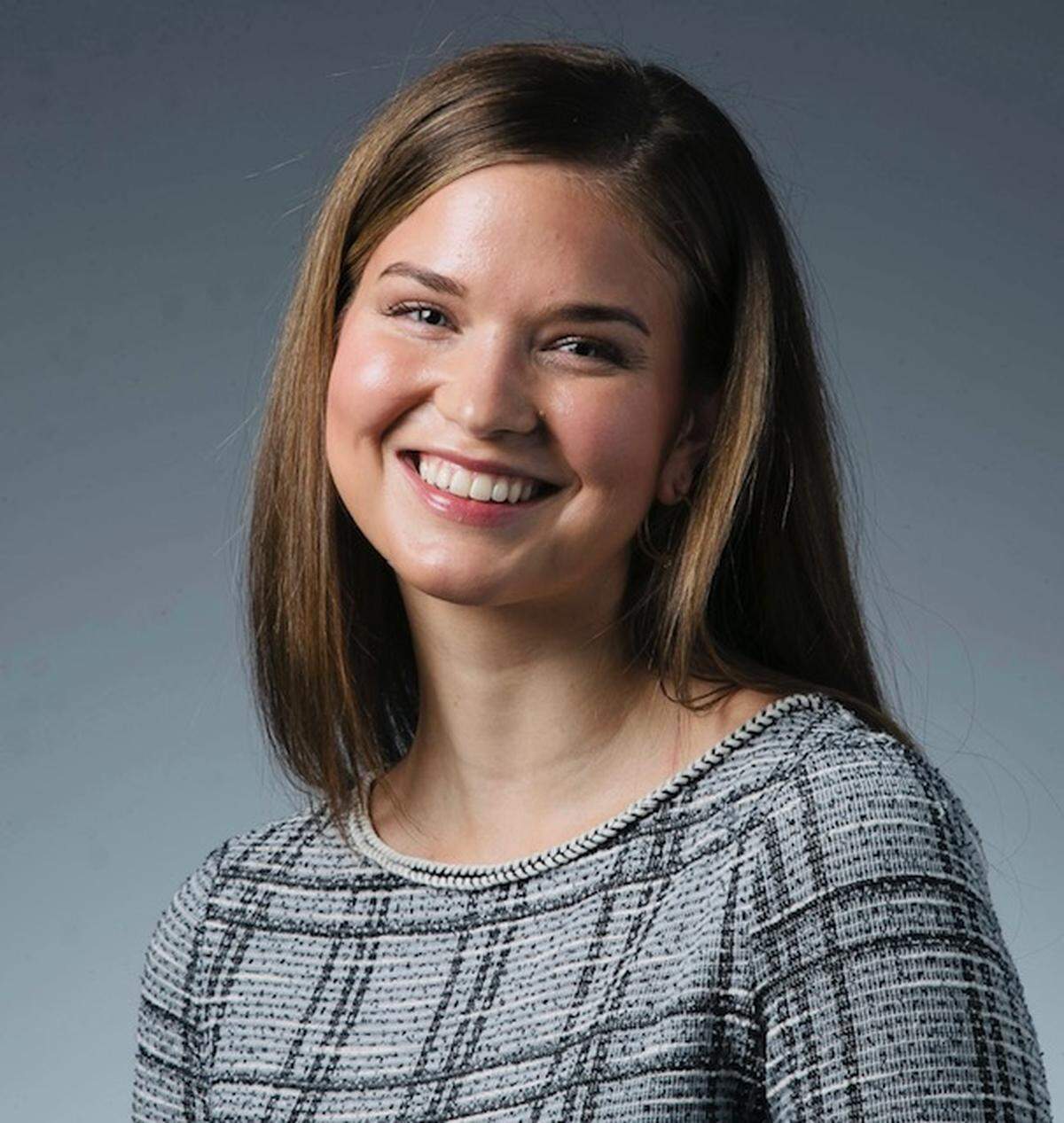
Four people have applied for the appointment:
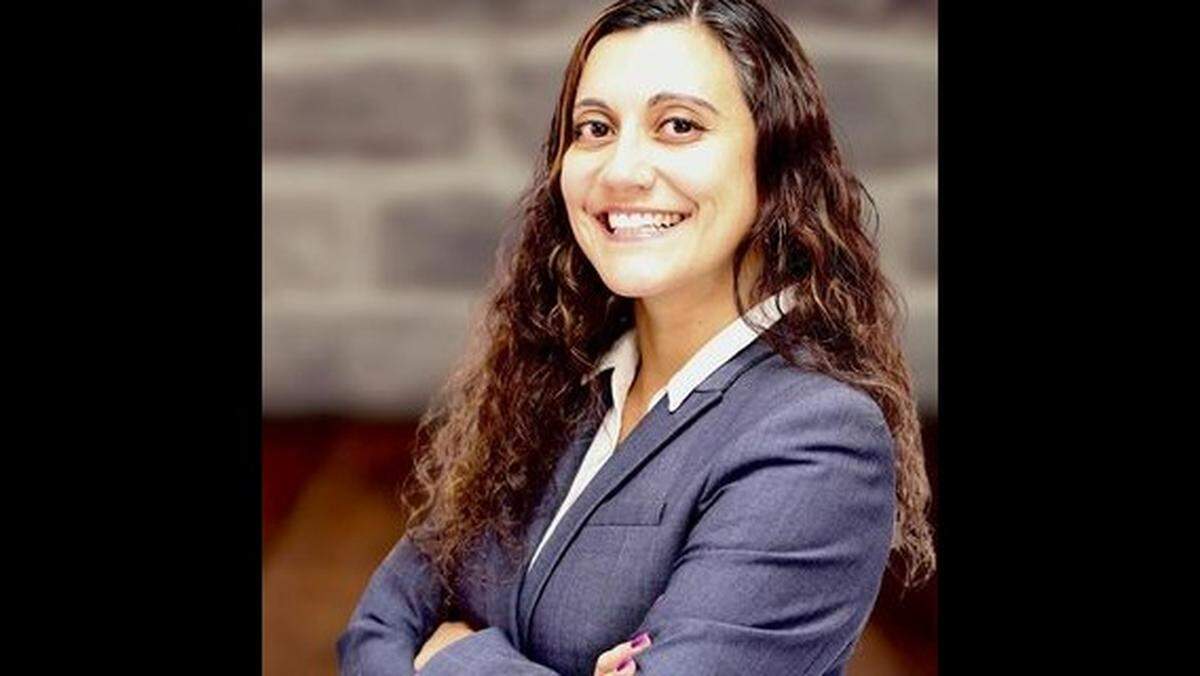
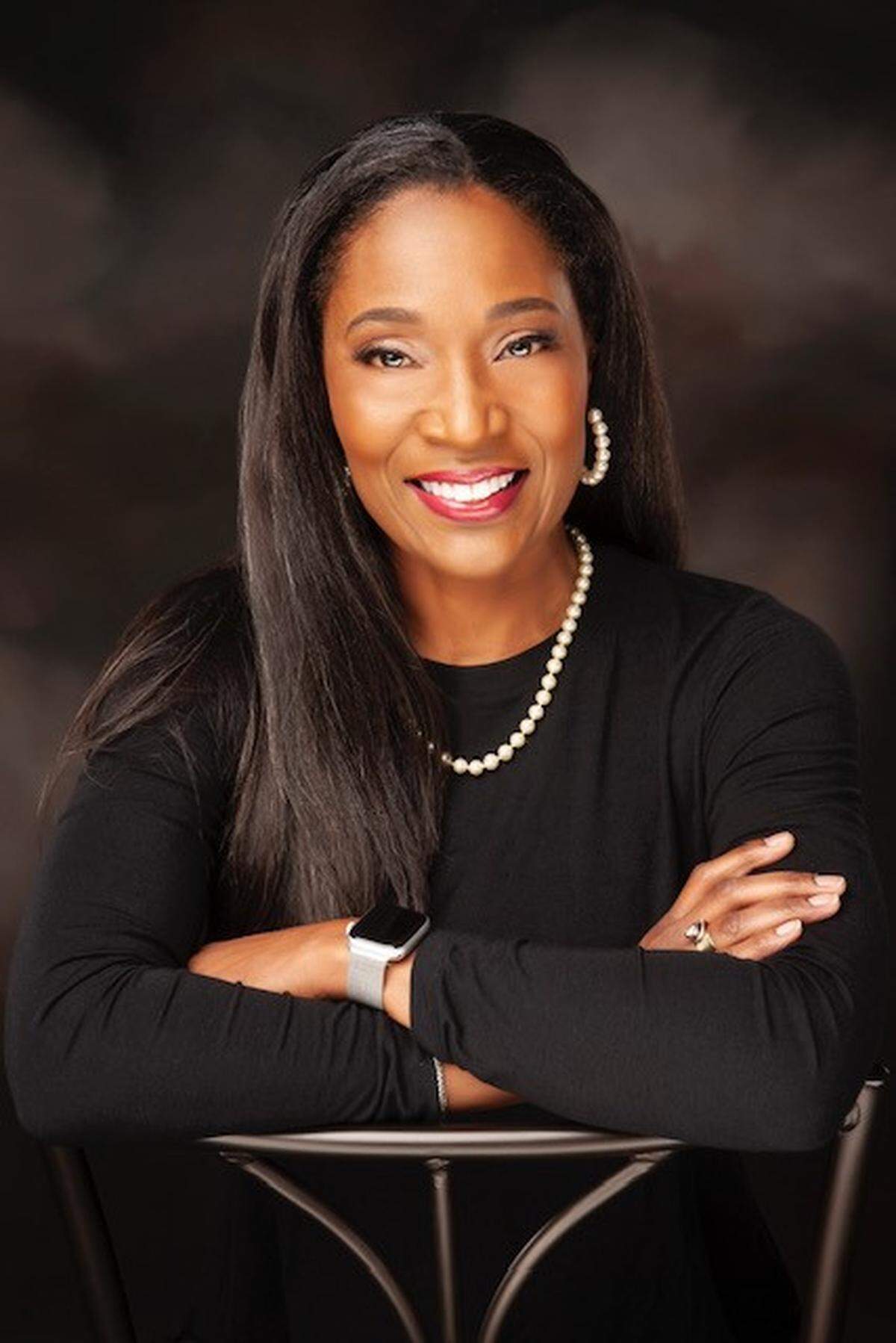
- Apryle Lawson Daye, a real estate agent and paralegal
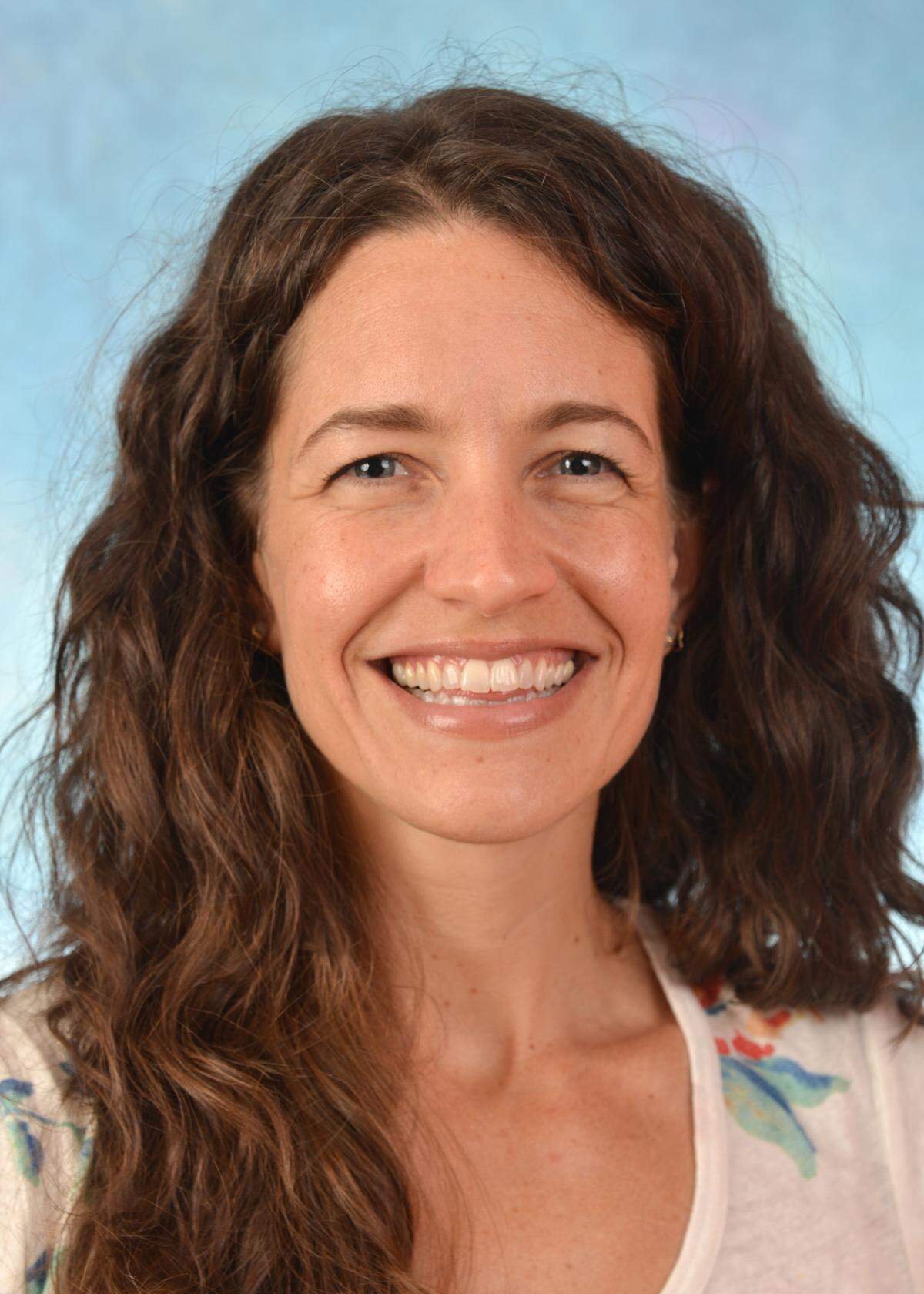
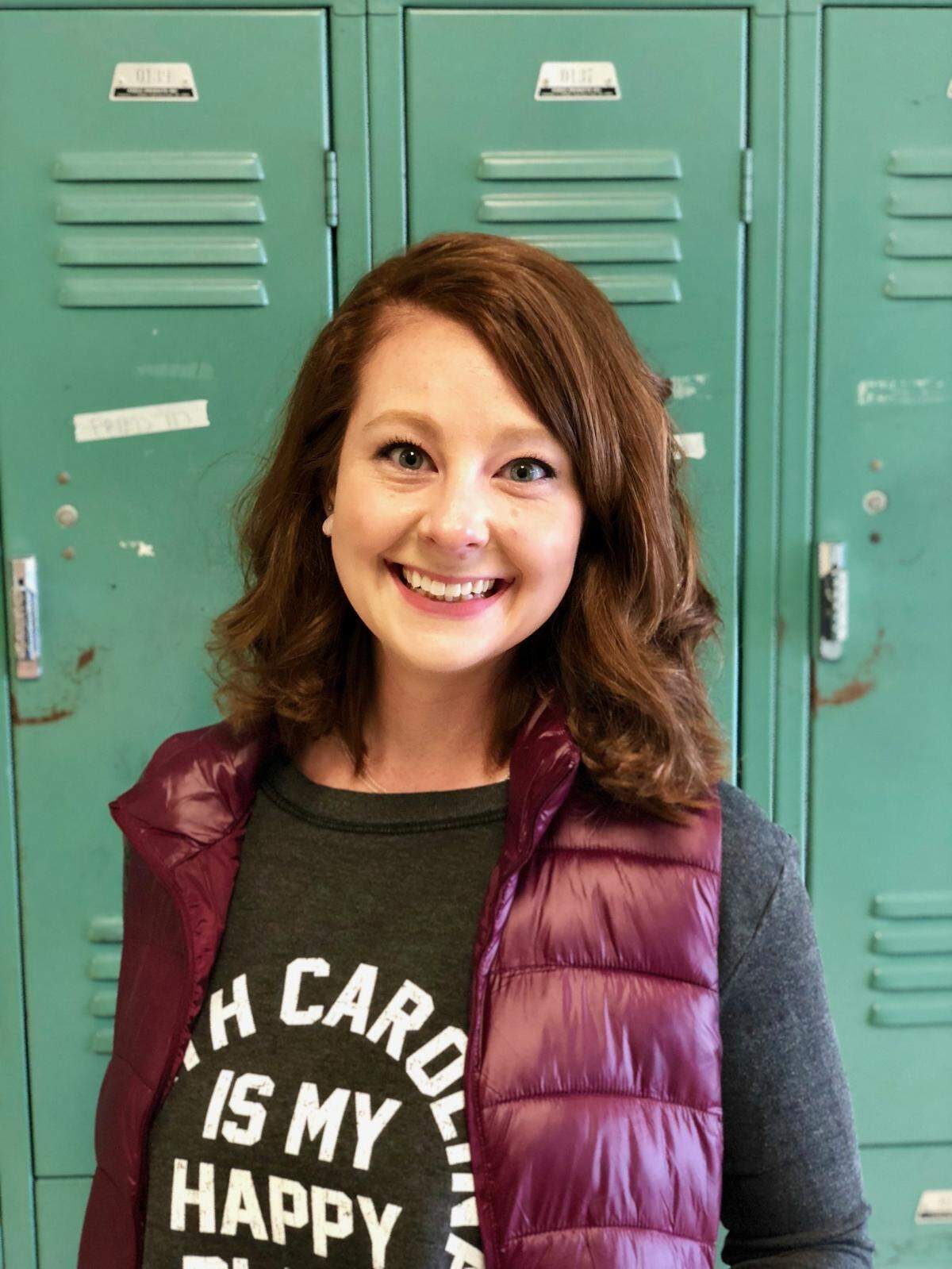
- Jessica Friedlander, a mentor at Duke TeachHouse
- Jessica Carda-Auten, a public health researcher at UNC
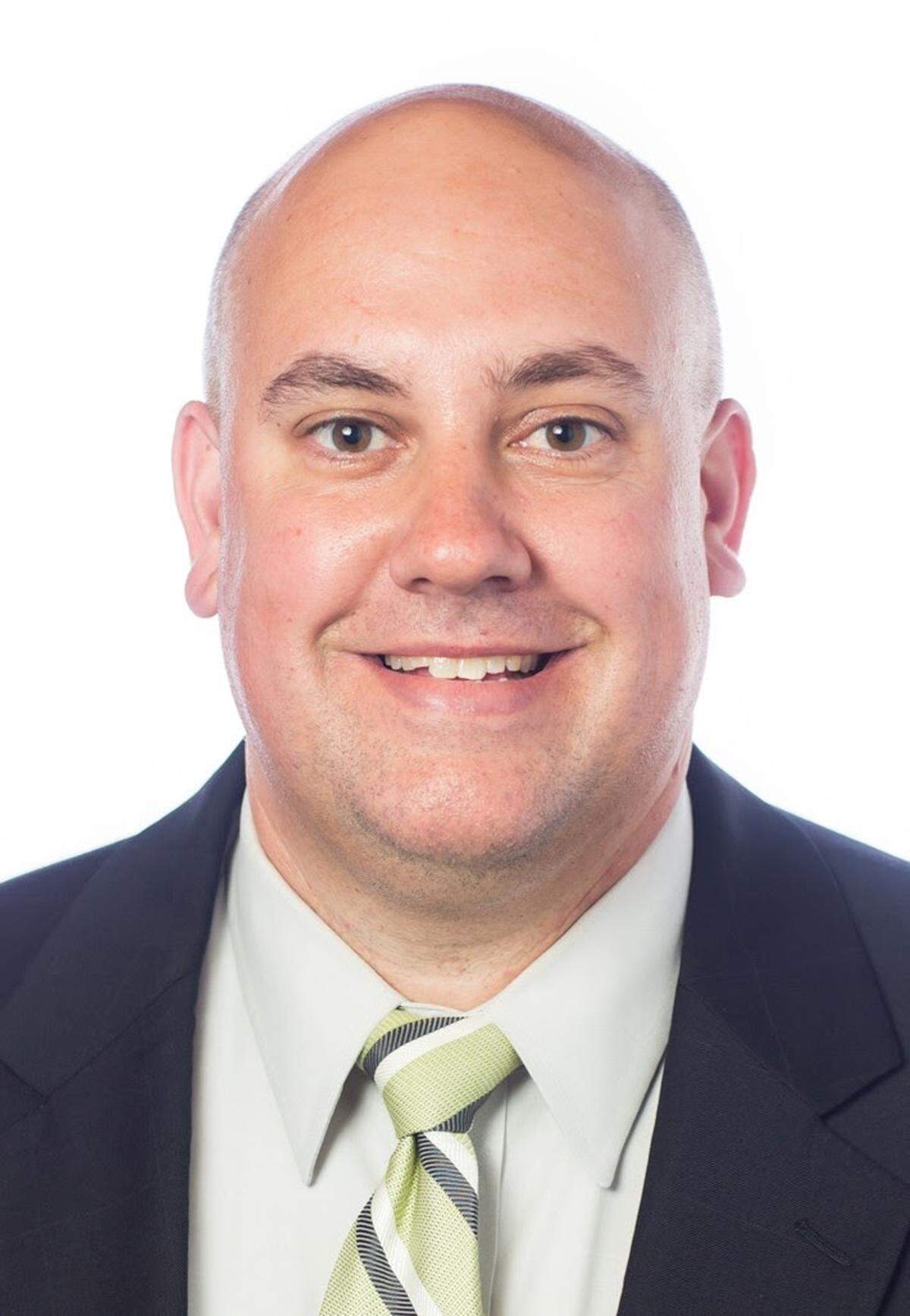
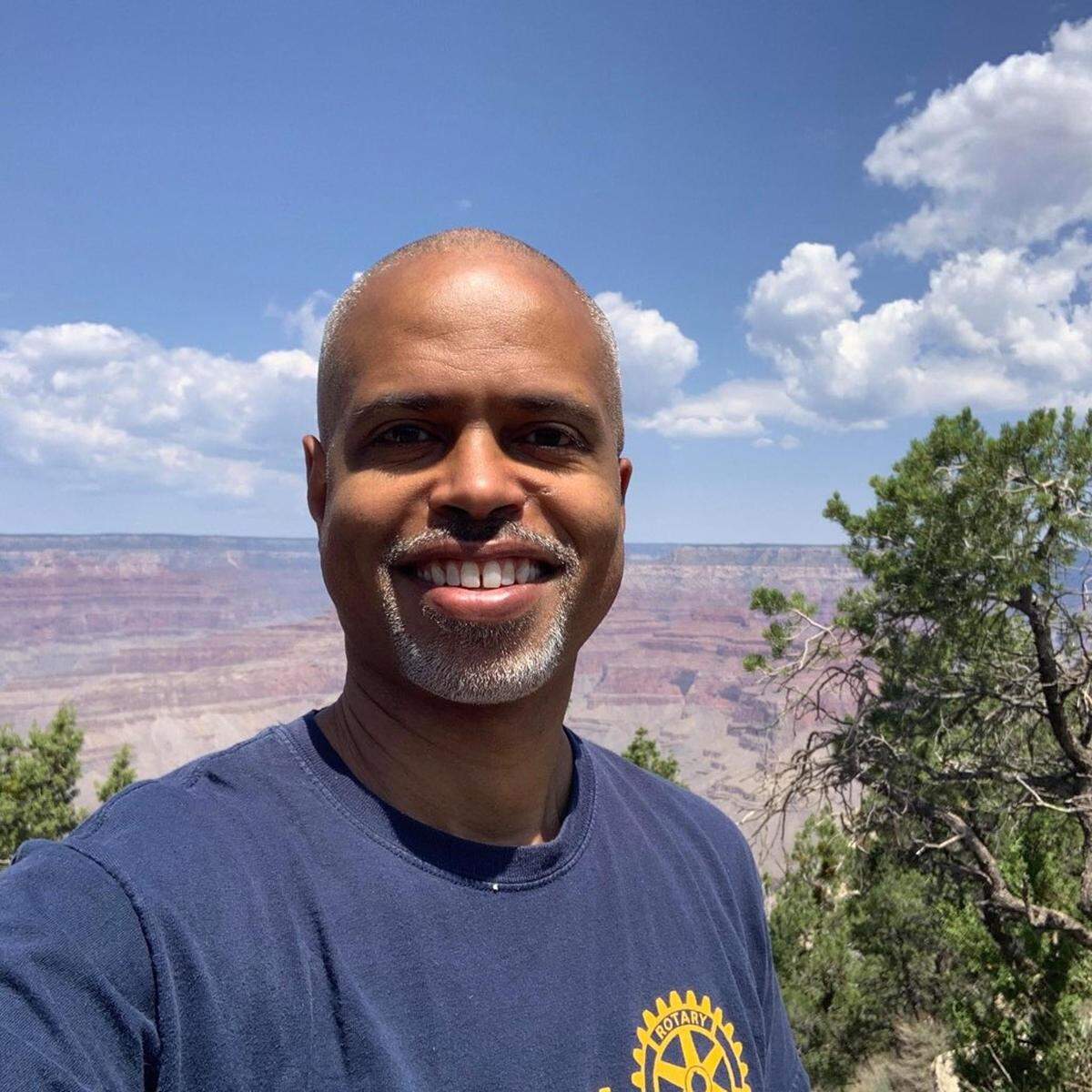
- Kevin Primus, whose work experience includes business, teaching and coaching
Matt Sears, first elected in 2014, left to take the position of Director of Partnerships at the DPS Foundation, emailing his colleagues the news Jan. 31.
“I’m stepping down to avoid any potential or even appearances of conflict of interest,” Sears told The News & Observer last month.
Sears said he has been in consideration for the new role since December. He was reelected in May.
Board members asked at a Feb. 9 meeting work session, when Sears’ resignation was accepted, whether Sears should have told his colleagues he was considering the position when DPS Foundation items came before the board.
The school board attorney said Sears would have been welcome to stay on.
“There’s no conflict for him to hold both positions,” attorney Carolyn Murchison said.
Sears said he’s been on a lengthy job search since his employer Duke University sunsetted Duke TIP, a talent identification program for gifted middle and high school students, in 2021 during the coronavirus pandemic.
Board members are paid about $20,000 a year and reimbursed for some expenses. They serve four-year terms.
“I support anyone seeking employment to provide for their families,” Sears said. “Leaving the board, especially ahead of a vote on how to use grant money, to me demonstrates that I don’t want any appearance of a quid pro quo.”
The board will appoint a new member in a special meeting on Thursday, March 16.
A divisive vote for vice-chair
Sears’ departure last month left the vice-chair position open, exposing a rift that required Chair Bettina Umstead to switch her vote to break a tie.
Board member Jovonia Lewis, in office since 2020, was up against Emily Chávez, who is in her first year on the board.
“We all have access to power sitting in these seats and I believe that our work together has to be centered in our kids moving forward,” Umstead said, visibly frustrated. “I’m willing to vote for both of you because you’re both excellent candidates and we have to move our agenda forward. We have work to do for our students.”
Board member Alexandra Valladares, who nominated Lewis, questioned the process for selecting Sears’ successor.
“I am pained that there are politics on this board and exclusionary practices and that I have seen complicity in people I did not expect to see complicity. I hold this board accountable,” Valladares said, her voice breaking with emotion. “I will not be silent. I will not be excluded. I will not be the last person to hear about plans.”
After two votes split 3-3, Umstead switched her vote to support Chávez alongside board members Natalie Beyer, Millicent Rogers and Chávez herself.
“This is a progressive board, and people are expecting us to get a lot of things done,” Chávez said.
Valladares and Lewis remained in the opposite camp.
“This was a divided vote, but we’re not divided. We’re passionate about our children,” Lewis said.
Meet the candidates
The board interviewed the candidates in a special meeting March 7.
Carda-Auten is bilingual and a mother of three. Two of her kids attend Lakewood Elementary and the youngest is entering pre-K next year.
She said her priorities include closing academic achievement gaps, recruiting more Black and Latinx educators, and persuading more families to choose public schools.
Carda-Auten complimented the Growing Together redistricting plan passed in January, but said more intense focus is required to address inequities. Thousands of students will switch schools next fall as the district reshapes its boundaries and offerings.
“Our board can continue this work as we implement the plan by advocating that all schools — not just the magnet programs — have the resources they need to be amazing educational facilities where families are eager to send their children to learn,” Carda-Auten said. “Change tends to be difficult, but that does not mean that it is not the right path.”
Daye has been a DPS student, employee and parent. She said she was motivated to get involved after witnessing the treatment of her daughter in school.
“She’s a young Black girl with a disability who assimilates well. However, the social aspects of school are particularly difficult for her to navigate,” Daye said, recounting bullying and unfair treatment from administration. “The focus is on imposing discipline rather than providing support.”
Daye said mental health resources must improve.
“Our students are tested regularly to chart their academic progress. Suppose students were regularly evaluated to chart their mental health status,” she proposed.
Primus is a father of five children raised in DPS.
“While much policy over recent decades has centered on the so-called achievement gap or opportunity gap, I submit that what we have failed to wrestle with adequately is the engagement gap,” he said. “Each school year, each educator has an opportunity to engage each student. How deep is that engagement? How meaningful is that engagement?”
Primus said trauma-informed training was essential to improving inequities in Durham Public Schools.
“Without a strategy and metrics to evaluate our progress towards becoming a trauma-informed school community, we are left with worn-out behind- the-scenes narratives of educators blaming parents, parents blaming schools, students underperforming and justifying the systematic defunding of public education by the state of North Carolina.”
Friedlander worked at Riverside High School for nine years and has a 2-year-old and 4-year-old at home. She said her firsthand experience amid COVID-19 helps shape her vision for retraining educators.
“I feel like we came back from the pandemic and the school system in general, was like ‘OK we’re behind. Let’s get caught up.’ Teachers need to double down on content. You need to make sure kids are coming to study hall,” she said. “That did not serve anybody well. The students were stressed out. We didn’t have breaks anymore.”
Friedlander said addressing inequities was a focus as she led an effort to enroll more historically marginalized students the Advanced and Intellectually Gifted (AID) program.
“The way that I lead is through facilitation. I am not someone who is going to come here and say I have an answer to all these problems and here is my solution,” she said. “Of course I have ideas, but particularly when it comes to some of the inequities. I recognize that I am a middle-class, white lady standing up here.”
This story was originally published March 13, 2023 at 7:00 AM.