Muslim congregation mobilizes to reopen Shaw University’s mosque after the pandemic
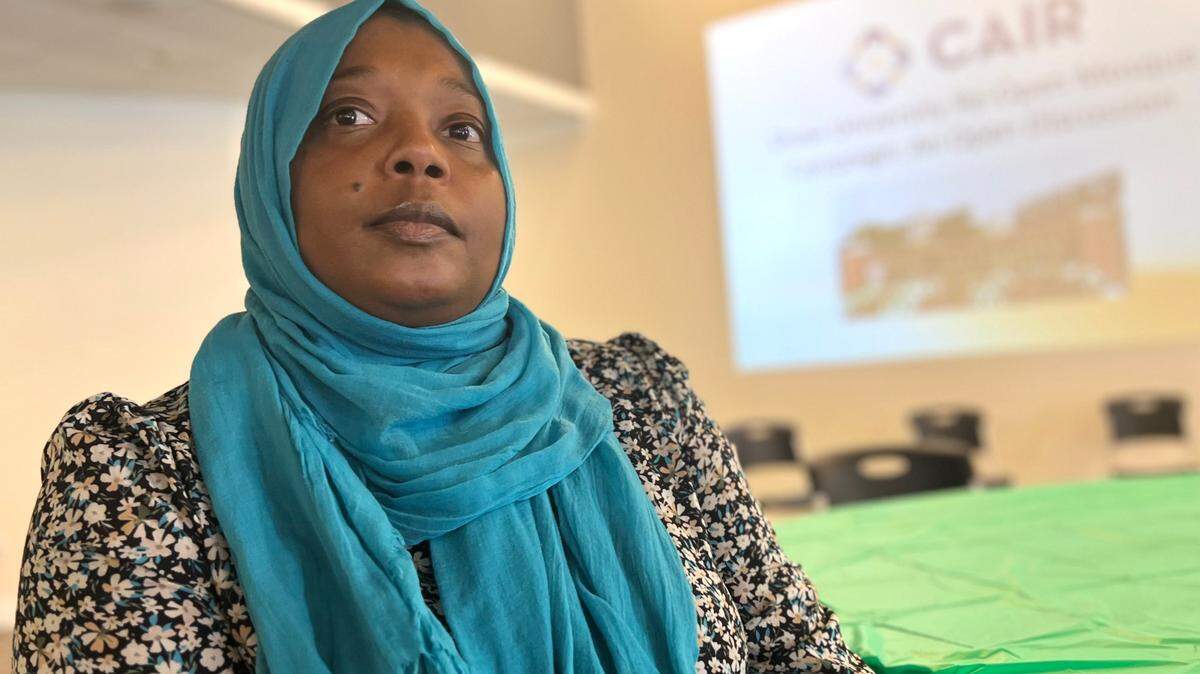
Zainab Abdul-Qaabidh recalls proudly the last time she and fellow congregants observed Ramadan at Shaw University’s campus mosque in 2019, just before the pandemic hit.
Roughly 200 people had piled into the main hall for Eid al-Fitr, the festival commemorating the end of Ramadan’s month-long fast.
“We were packed,” said Abdul-Qaabidh, a board member of King Khalid Mosque, the nonprofit that has managed the mosque.
So crammed were the quarters that members of the mosque, or masjid, were praying “shoulder to shoulder, heel to heel,” she said. “We had people flowing out of the masjid into the hallways.”
Located on the edge of downtown Raleigh on Martin Luther King Jr. Boulevard, Shaw’s mosque was built in 1983 with a $1 million donation from King Khalid of Saudia Arabia. But in March 2020, Shaw and the mosque’s board voluntarily closed the place of worship due to the COVID-19 pandemic.
Now, the pandemic has largely passed, and most aspects of regular life have resumed. But the university has not reopened its mosque to the public.
Members say the continued closure is discriminatory. They fear the university could be locking them out as a stalling measure while it seeks rezoning to redevelop parts of its historic campus.
“We just want to pray and help the community,” Abdul-Qaabidh said. “Unfortunately, the responses to our cries are to no avail and in vain.”
The group has now recruited the nation’s largest Muslim Civil rights and advocacy group, the Council on American-Islamic Relations (CAIR), to join efforts to get it reopened. On Sunday, Abdul-Qaabidh joined more than 50 people huddled inside the Islamic Center of Morrisville to discuss with CAIR representatives their options going forward. The meeting followed weeks of protests held outside of the university’s International Studies Center.
Adding another level to members’ discrimination charges is that most of the mosque’s congregants are African Americans or people of color who emigrated from Palestine, Gambia, Algeria, Morocco and other Arabic countries. Shaw University is a historically Black college and university, but the mosque’s members accuse Shaw officials of being biased due to the school’s Baptist roots.
“It’s extremely more painful,” Abdul-Qaabidh said. “HBCU stands for justice and the elevation of minority people, and they’re causing us a huge injustice.”
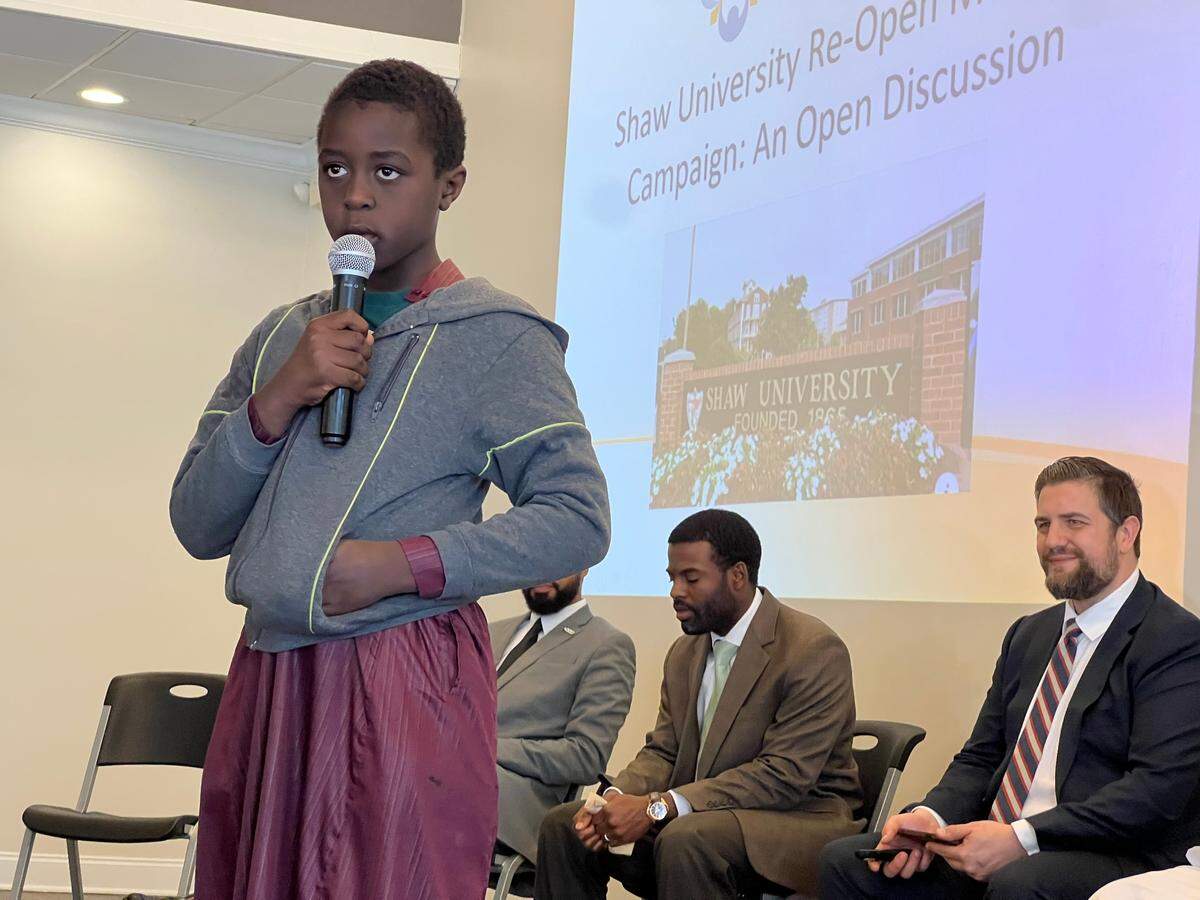
CAIR’s national deputy director Edward Ahmed Mitchell, who traveled from Atlanta to be there, said he hoped his presence would raise awareness for the congregation’s plight, and put more pressure on the university.
“In their interactions with us and others, they haven’t given a logical explanation for why they don’t want to reopen the mosque,” Mitchell told The News & Observer. “In the absence of good reason your mind starts to assume the worst possible.”
In a statement, Shaw University officials said that access to the mosque “has been and continues to be open” to currently enrolled Shaw University students.
“Neither the mosque nor the campus chapel is generally open to the public for standard church meetings, prayer vigils, or worship services,” the university said. “All events are and will continue to be confirmed through scheduled programming that is managed by the Chaplain’s Office.”
In a letter dated Feb. 20, addressed personally to Mitchell, the university added that it planned to establish an interfaith council and appoint an adviser to support students this spring. In the meantime, the university said it will continue to oversee the scheduling with “safety, security, and the well-being of our students as the foremost priority.”
Nigel Edwards, an attorney for the mosque’s governing board who was also present at Sunday’s meeting, said the congregation is looking at “different legal strategies” against the university to get congregants back into the building. That includes appealing to the Saudi royal family that originally donated the funds for the mosque.
“We’re reaching out to them,” Edwards said. “We haven’t gotten our official response back yet. Through different channels, I’ve heard it’s working its way up the chain of command.”
This story was originally published March 6, 2023 at 7:30 AM.