Cary High School to get $100 million in renovations. Here’s when the work will be done.
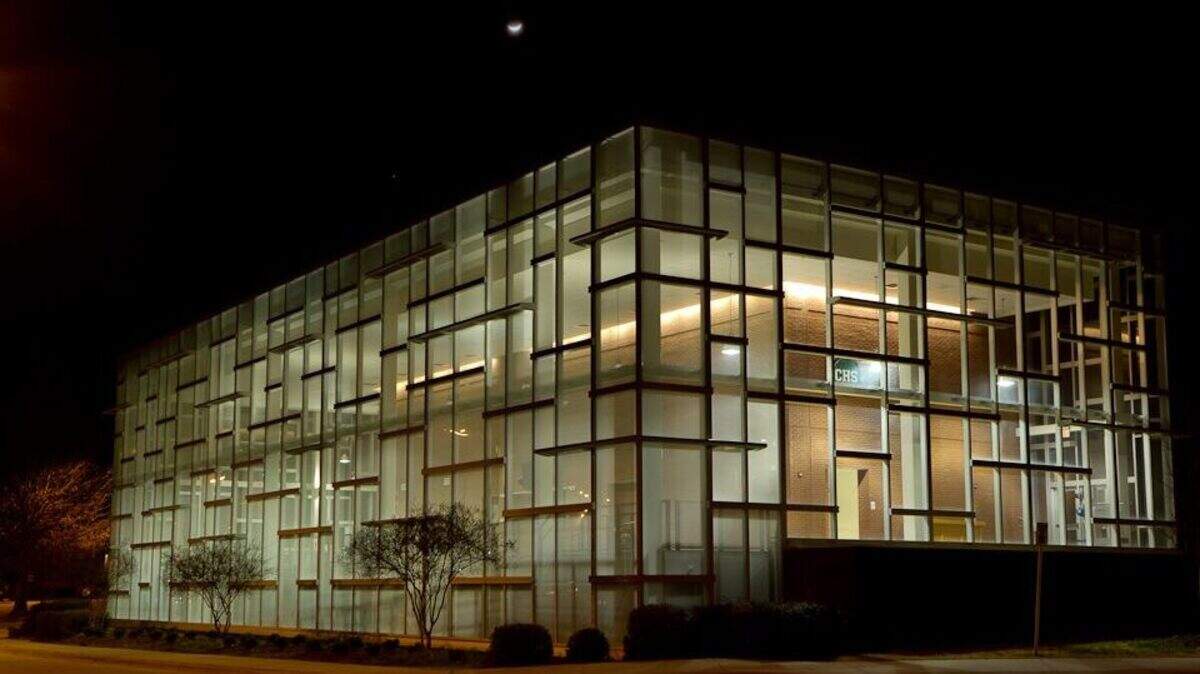
Cary High School is in line to get more than $100 million in renovations by continuing to delay construction of a new high school in Raleigh.
The Wake County school board approved changes Tuesday to its seven-year, rolling school construction program, including putting more money into renovations by adding Cary High to the plan. The board also approved a resolution asking the Wake County Board of Commissioners to fund the $2.7 billion, seven-year plan.
Details about what would be funded in the Cary High renovation are still to be determined. But the plan calls for the work to be done in 2031.
Last year, Wake revised the building program to add a major high school renovation. Athens Drive High School in Raleigh narrowly beat out Cary High for inclusion.
The funding comes from money set aside for construction of a long-planned high school that has yet to be built. The school board bought the site of the former Bobby Murray Chevrolet car dealership on Capital Boulevard in Raleigh in 2016 with plans to build a small high school there.
Douglas Congdon, program executive for Facilities Design & Construction, told the board that staff recommends diverting money from the Bobby Murray site because a defined academic program for the future school has not been established.
More focus on renovations
Growth has slowed in recent years in Wake, leading the school district to shift more money from new construction to renovation projects.
In addition to funding Cary High, renovations of four more schools may be added to the later years of the seven-year plan. Those schools haven’t been picked yet.
In 2016, the school board and commissioners agreed to change how school construction projects are handled. Instead of relying on three-year or four-year programs funded by school construction bond referenda, they agreed to adopt a longer seven-year plan.
The seven-year plan is updated annually and is paid for by a mixture of general-obligation bonds that require voter approval and limited-obligation bonds that commissioners can approve on their own.