Wake schools have changed the rules on book challenges. Here’s what’s new.
North Carolina’s largest school system will now limit how often parents can file book challenges to get materials removed from school libraries and classrooms.
The Wake County school board gave final approval Tuesday to a policy that says book challenge decisions will be binding for two years. Once a decision is made at a specific school, parents there will need to wait two years before they can file another formal challenge against that book.
Wake says parents who object to a particular book can still get an alternative reading assignment for their child.
The creation of a two-year time moratorium has drawn extensive school board and community debate over the past several months.
Supporters of the new time limit say it will keep schools from being inundated with challenges. Critics say it was unfair to put challenge restrictions on parents.
“This policy balances the interests of parents in controlling their own child’s education and the First Amendment rights of students and the parents in the rest of the school system,” Renee Sekel, a Wake parent, told the school board on Tuesday.
The policy was approved in a 7-2 vote. It was opposed by the two new conservative school board members, Cheryl Caulfield and Wing Ng.
National debate over school materials
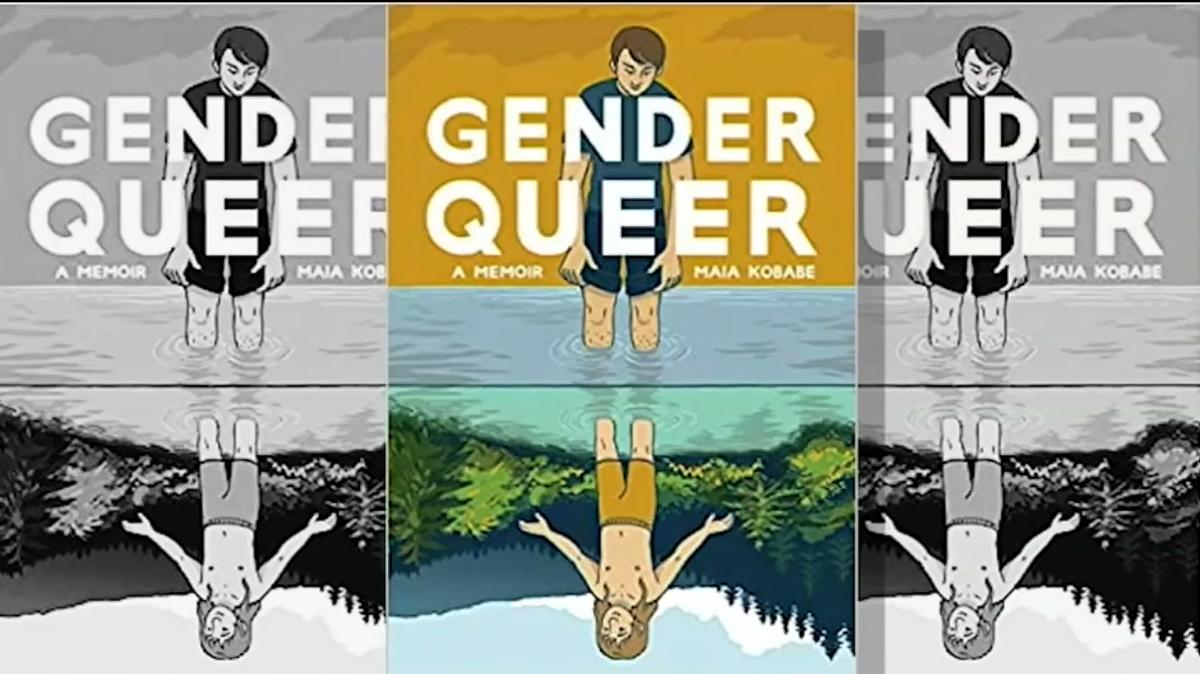
The policy change comes amid a national culture war over what books should be allowed in schools.
Last month, state House Republicans released a bill that would require school and public libraries to keep “material harmful to minors” in an age-restricted section, The News & Observer previously reported. The bill would make librarians and school personnel subject to prosecution for violating that provision.
But House Speaker Tim Moore told reporters that the bill is unlikely to advance this legislative session, The Associated Press reported.
The Wake County chapter of Moms for Liberty filed 189 book challenges against 20 books in May ahead of the policy changes. District administrators rejected all 189 because none of them were filed by parents at the schools where the books are located.
Members of the group and other parents regularly attend Wake school board meetings to read excerpts of books they say shouldn’t be in school libraries because they’re sexually explicit, have profanity or discuss gender identity.
“Policy 3210 is designed to keep sexually explicit and erotic books accessible to minors forever,” said Mark Peterson of the Pavement Education Project during public comment at Tuesday’s board meeting. “The board should trash 3210 and adopt a zero-tolerance policy against grooming literature.”
How to challenge books in Wake
Wake’s updated policy says books can be challenged for removal from school libraries or classrooms if they’re “educationally unsuitable, pervasively vulgar, or inappropriate to the age, maturity, or grade level of the students.” The policy does not define “pervasively vulgar.”
The policy says that challenges at individual schools must be made by families who attend those schools. Challenges will be heard by a committee formed by the principal. Students will not be on the school committees.
Parents can appeal decisions made by the school committee to the district’s Central Instructional Materials Committee. This committee would also hear challenges involving materials used at the district level.
The district committee’s decision can be appealed to the school board.
Students can hear book challenges
There’s also been extensive debate about whether students should be allowed to serve on book challenge review committees.
The updated policy says that the superintendent can appoint up to two high school students to serve on the district review committee to hear challenges involving high school materials. Those students would need parental consent to serve.
An earlier version of the updated policy would have required high school students to serve on the district committee. But the language was changed to make it optional to include students.
This story was originally published August 1, 2023 at 8:06 PM.