NC schools lack enough counselors, nurses, social workers and psychologists, report says
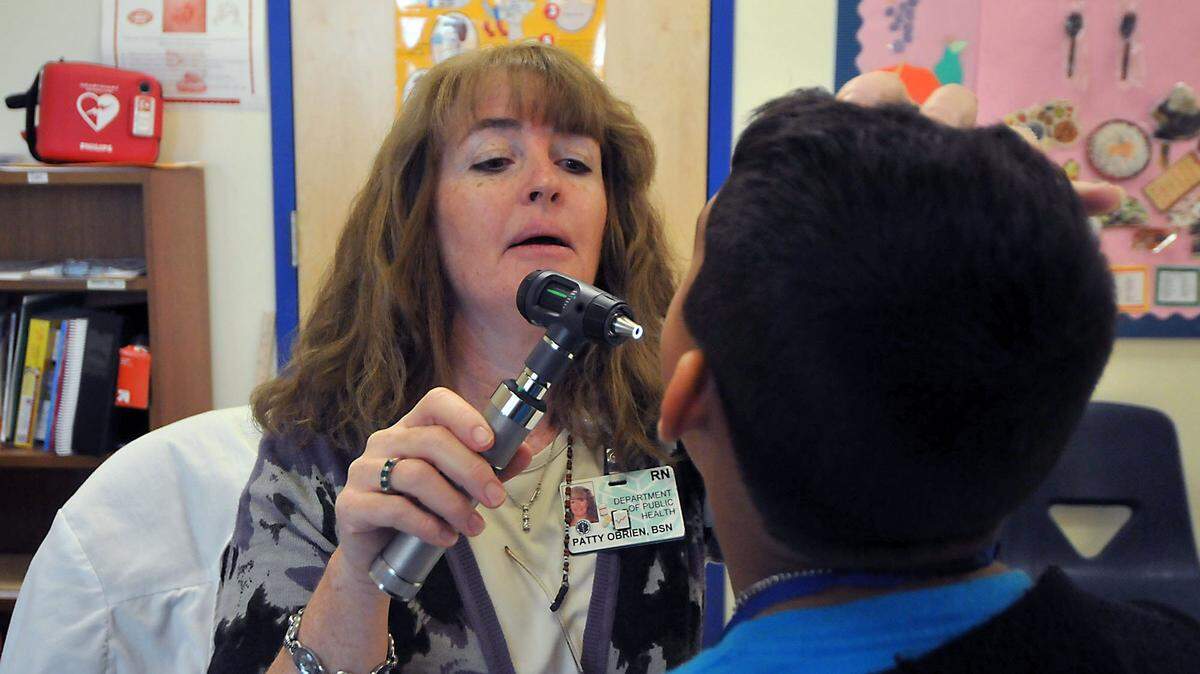
North Carolina public schools continue to fall short on having the number of personnel needed to meet growing student mental health needs.
A state report presented Wednesday shows that schools don’t meet the nationally recommended ratios of school counselors, school nurses, school psychologists and school social workers. This comes at the same time that students are still recovering from pandemic learning loss and are experiencing a rise in mental health issues.
“Our students’ challenges around attendance, mental health and learning are interconnected and mutually reinforcing so they require a holistic and integrated response,” said State Board of Education chair Eric Davis. “I urge all of us to focus our energies on actions and solutions that can meet these challenges.”
Schools fall short of national ratios
On Wednesday, the state board received the 2023 School Mental Health Policy Report, which included school staffing ratios as of 2022. According to the report:
▪ There’s one school nurse for every 833 students instead of a nurse at every school..
▪ There’s one school psychologist for every 1,979 students instead of for every 500 students.
▪ There’s one school counselor for every 361 students instead of for every 250 students.
▪ There’s one school social worker for every 1,033 students instead of for every 250 students.
Having enough support personnel will help reduce chronic absenteeism, according to Ellen Essick, the state Department of Public Instruction’s section chief for healthy schools. She said it will also allow teachers to spend more time on instruction instead of being asked to do mental health checks.
“When we have the right people in place, teachers can do their jobs,” Essick told the state board. “It’s part of that whole school, whole child framework where everybody needs to be involved for students to be successful.”
Where’s the money for more staff?
There’s been some increased state funding for additional school instructional support positions in recent years. Schools have also used federal COVID aid to hire more mental health staff.. But it’s unclear if schools will ever reach nationally recommended staffing ratios.
Most school districts have plans to hire additional support personnel, according to Essick. But she told the state board it all comes down to what the schools can fund.
“They’re doing the best they can with what they have,” Essick said.
The plan developed by an education consultant in the long-running Leandro school funding lawsuit calls for providing enough funding to meet the staffing ratios for nurses, counselors, social workers and psychologists.
But the Leandro plan is up in the air after the state Supreme Court blocked a trial judge’s order to fund the plan. The court’s Republican majority will hear arguments in February about whether to reverse the prior Democratic majority’s order allowing the money transfer.
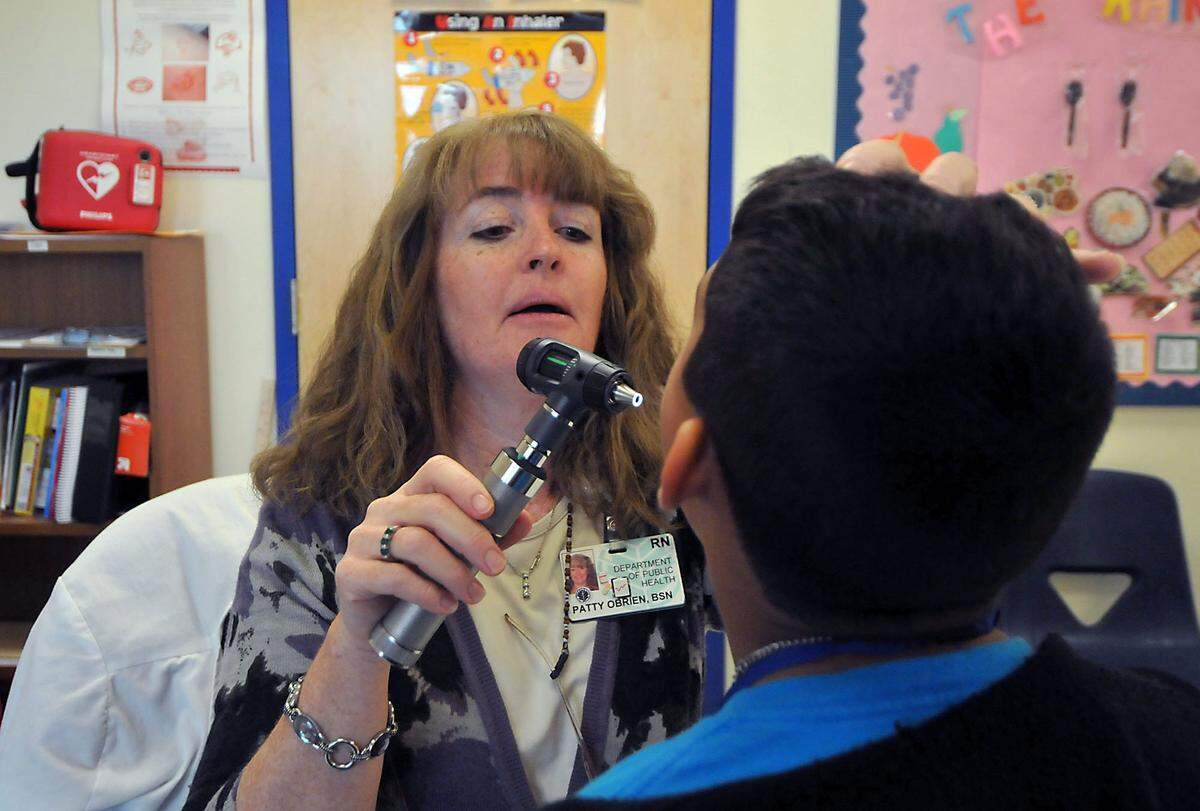
Mental health issues rising
The past few years have seen multiple reports and statistics showing North Carolina youth are undergoing a mental health crisis.
▪ The percentage of high school students who reported persistent feelings of sadness or hopelessness rose from 28% in 2011 to 43% in 2021.
▪ The percentage of high school students who seriously considered attempting suicide during the past 12 months rose from 19% in 2019 to 22% in 2021.
▪ The percentage of female high school students who seriously considered suicide rose from 15% in 2011 to 30% in 2021.
▪ A lawsuit filed by a dozen North Carolina school districts against social media companies says suicide rates for youth have increased 57% over the past decade, and emergency room visits for anxiety disorders have increased 117%.
School-based health centers praised
Essick said one way schools can address the needs of students is to open health centers. She highlighted the work of Wilson Area School Health Centers (WASH), a partnership of the county’s school system and health department.
WASH operates centers in three high schools and a middle school to serve school employees and students, with the permission of their parents. The centers provide healthcare services and is working on adding a mental health component.
The Healthcare Foundation of Wilson has provided $1.65 million to help operate the centers.
WASH should be something available to all students in all North Carolina schools, according to Lane Mills, superintendent of Wilson County Schools.
“It does make sense for our families and our students,” Mills told the state board. “It’s been a huge way to keep teachers in schools, students in schools.”