Faculty group censures chancellor, provost over UNC Greensboro academic program cuts
With the elimination of academic programs expe cted to be announced later this week, some faculty at UNC Greensboro took a formal step Monday to voice their disapproval of the university leadership’s actions in the “academic portfolio review” that led to the impending cuts.
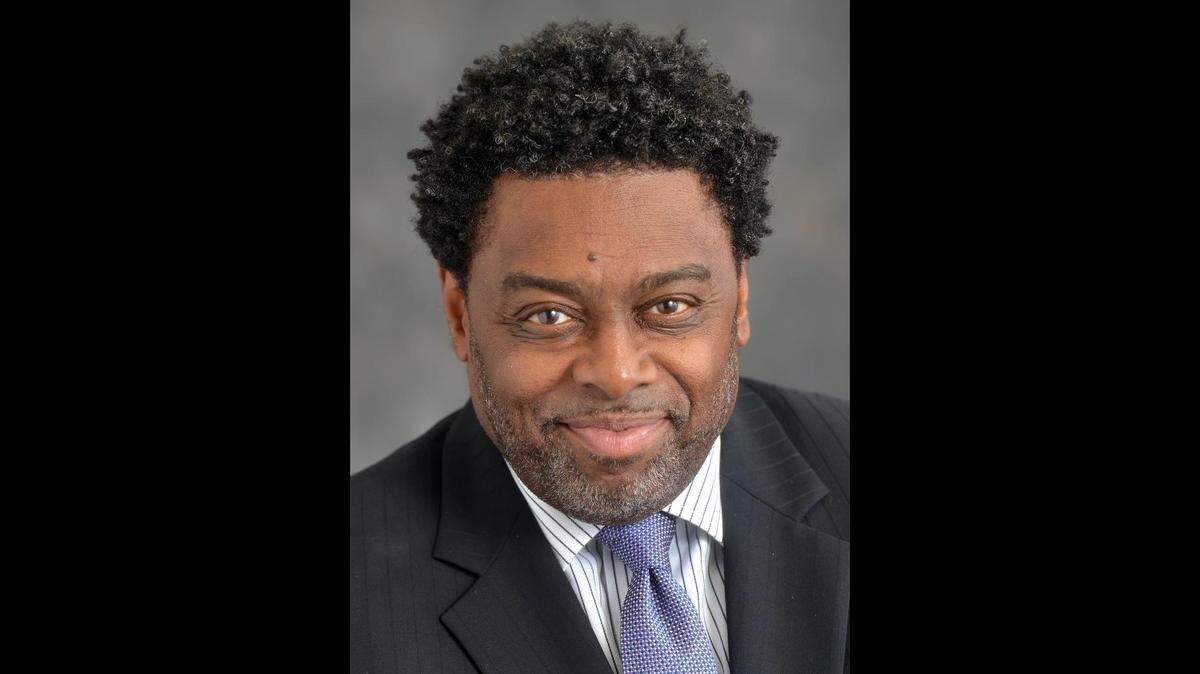
The UNCG Faculty Senate, an elected body representing the larger university faculty, voted to censure Chancellor Franklin Gilliam and Provost Debbie Storrs for “not initiating consultation with the Senate at the start of the [review] process and not providing a clear rationale of the choice of program closures.”
Of the 39 members who were eligible to vote, 25 voted in favor of the measure and 10 voted against, according to results Faculty Chair Tami Draves emailed to university faculty Monday.
Gilliam addressed the vote in a statement Monday, saying, in part, that it “extends beyond critique” and is “a consequence of mis- and dis-information intended to protect the status quo.”
“As an institution of higher learning, we expect a diversity of thought, and constructive critiques are welcomed as there is no perfect process,” Gilliam said. “However, these critiques must be based on facts, not distortions, and not on fear but on collective wisdom. To do otherwise is corrosive to the campus community and creates barriers to the way forward.”
The Faculty Senate’s move is largely symbolic and does not impact university operations, nor Gilliam’s or Storrs’ positions at the university — but it offers another example of the tensions that have arisen on campus over the months-long program review.
Review has been subject of faculty criticism
The review, which formally began last spring, has been the subject of significant pushback from some members of the university community this academic year, taking the form of marches, rallies and an online petition against the review that has been signed by nearly 4,000 people. Since Gilliam announced a preliminary list of nearly 20 programs facing cuts earlier in January, additional petitions supporting individual programs have gained hundreds more signatures.
Gilliam has described the review as a “best practice” in higher education, and has said it is necessary to improve the university’s financial standing following undergraduate enrollment declines and a change to the UNC System’s funding model for its campuses.
“Like colleges and universities across the country, UNC Greensboro faces rapidly changing conditions, from enrollment challenges to shifts in student and regional needs,” Gilliam said in his statement Monday. “We’re seizing this moment as an opportunity — a chance to sharpen our focus, align resources with our vision and strategic direction, and identify areas for long-term growth and leadership. Strengthening the University’s financial and academic footing for the next 10 to 20 years can happen only through comprehensive evaluation of our operations.”
But students and faculty have raised concerns about the process by which the review was conducted, saying they received mixed messaging about why the review is needed or what the outcomes may be. The campus chapter of the American Association of University Professors (AAUP) commissioned its own, outside assessment of the university’s financial standing, which it says contradicts the university’s reasoning.
That assessment found UNCG “is on solid financial ground and there is no budgetary need for the cuts.” The university disputed the claims and analysis put forward in the report, saying it was “rife with major and minor inaccuracies and misinformation.”
Gilliam told reporters in November that the university has “nothing to hide” and noted that leaders held dozens of campus engagements about the review and made information about it available online. Faculty and staff were also involved in the process to create rubrics by which academic programs were assessed, though some expressed concern when leaders revised the rubrics mid-review to add additional data.
“The process has been collaborative, thorough, and transparent, making data available to our community while including diverse and independent analyses across academic units,” Gilliam said in his statement Monday.
Gilliam said the Faculty Senate vote Monday was “a disappointment,” but said university leaders would “remain undaunted in our commitment to meet the challenges ahead.”
“We have and will continue to work collaboratively with faculty partners who are dedicated to taking necessary steps for the best interests of the University, its students, and its mission,” he said.
Gilliam is expected to announce his final decisions by email Thursday on which programs will be discontinued.
This story was originally published January 30, 2024 at 11:13 AM.