North Carolina’s teachers are leaving in droves. What a newly released report finds
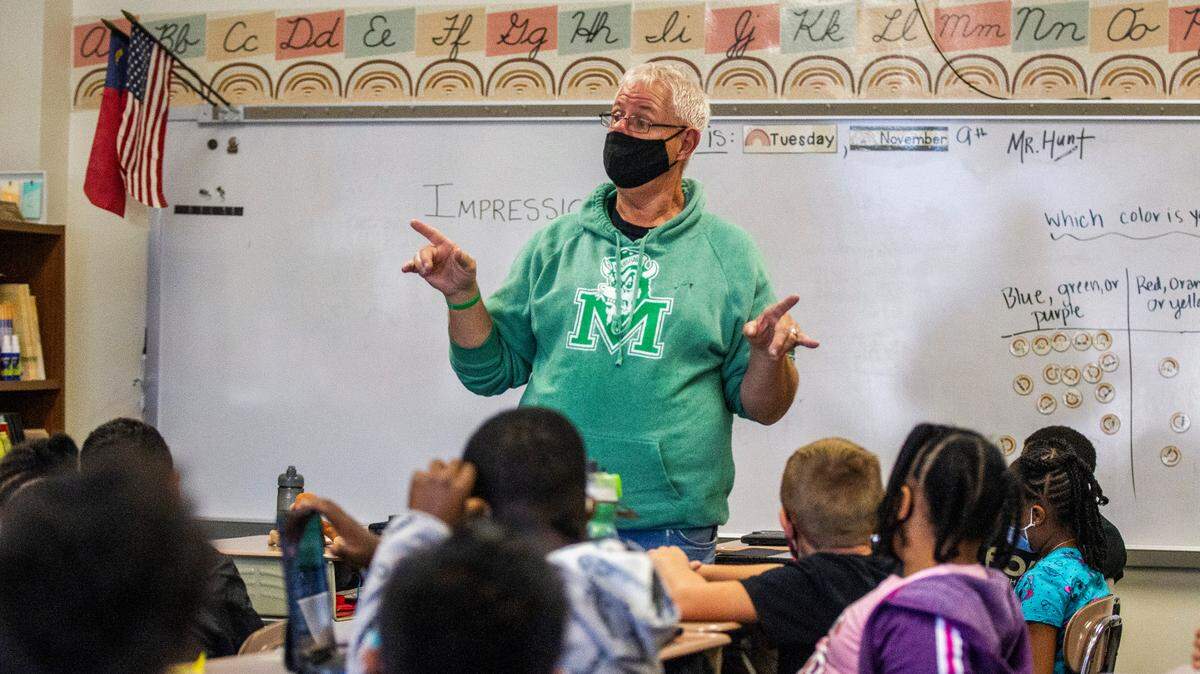
North Carolina’s teacher turnover rate has soared by 47%, with 1 in 9 educators having left the profession, according to the newest state report.
The report presented Wednesday to the State Board of Education shows a teacher “attrition rate” of 11.5% between March 2022 and March 2023. That means that 10,373 of the state’s 90,638 teachers left the profession in that time period.
The State of the Teaching Profession in North Carolina report shows nearly 3,100 more teachers quit than the prior year. The attrition rate rose 47%, up from 7.78% in the prior report.
“These numbers verify what everyone already knows to be true, public school teachers and staff are underpaid and underappreciated, and their departures impact student learning across the state,” Tamika Walker-Kelly, president of the North Carolina Association of Educators, said in a statement.
“Our elected leaders, at all levels, must take a hard look at their priorities, because our students deserve a high-quality education, an excellent teacher, and a well-funded school.”
Despite all the departures, Tom Tomberlin, senior director of the state Department of Public Instruction’s Office of Education Preparation and Teacher Licensure, said school districts still hired more teachers than they lost. Schools hired 11,023 new teachers in September to replace the 10,373 who left.
NC schools struggle to find teachers
The new report shows the continuing challenges that North Carolina’s public schools face finding enough educators.
Last year, the National Education Association ranked North Carolina 46th in the nation in beginning teacher pay and 34th in average teacher pay. In addition, schools across the state started the school year with more than 3,500 teaching vacancies.
“The silver lining of this cloud is the extraordinary work that our (school districts) do in finding teachers, specifically the HR directors and their recruitment staffs,” Tomberlin told the state board. “It is extraordinary what they do to replenish our supplies every year. Our hats should be off to them.”
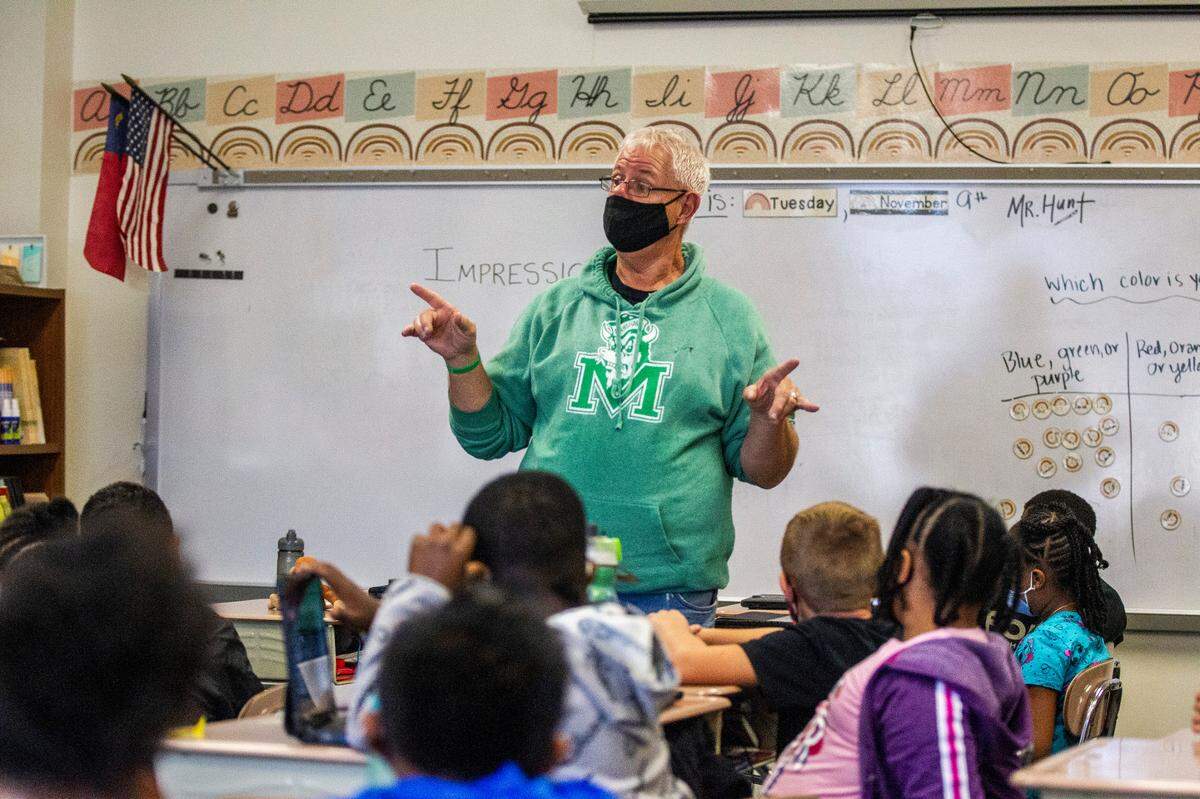
In response, last year’s state budget raised the base salary for beginning teachers by $2,000 to $39,000 this school year. It’s set to rise to $41,000 next school year.
The state budget provided an average teacher raise of 7% over two years, with newer educators getting raises of more than 10%. The state’s most experienced teachers are only slated to get 3.6% raises over the two years of the budget.
Senate Republicans said the state budget will increase the average pay for teachers to $60,671 by the 2024-25 school year. That figure includes the money that counties provide to supplement the state base pay.
Last week, the N.C. House Committee on Education Reform adopted a report saying the state continues to face difficulties recruiting and retaining high quality teachers. The bipartisan group of lawmakers said teacher compensation in the state isn’t keeping up with the rising cost of living.
“The Committee recognizes that North Carolina’s teacher compensation structure is not ensuring that hard-to-staff subject area positions and schools are sufficiently filled with highly qualified teachers,” according to the report.
Public sector attrition rising
North Carolina’s increase in teacher attrition mirrors national trends yet still remains lower than projections for the national average, according to Tomberlin.
Tomberlin also contrasted the teacher turnover rate with the rising 18% turnover rate for state agencies. The turnover rate has reached 20.9% at the state Department of Health and Human Services, with some positions such as registered nurses having a 48% vacancy rate.
“Public education does very well relative to other public sector positions in terms of filling their vacancies year after year,” Tomberlin said.
But state board chair Eric Davis said the data could also indicate that so little is being invested in the public sector and that public education is just lagging behind the state agencies.
“These kind of vacancy rates, how do you run DHHS or any of these other state agencies?” Davis said.
House Democratic leader Robert Reives said the new report shows how Republican legislators have made it difficult to be a teacher in North Carolina over the past decade.
“Now, we have prominent Republican candidates running statewide who call public schools ‘indoctrination centers’ and suggest that teachers are brainwashing students,” Reives said in a statement. “It should come as no surprise that teachers are leaving the profession when they are routinely villainized by candidates for public office. North Carolina and our teachers deserve so much more.”
Why are teachers leaving?
A plurality of teachers (48.%) who left cited “personal reasons” for leaving.
The attrition rate is higher among beginning teachers than experienced teachers. In addition, the percentage of newly hired teachers who went through the traditional process of getting an education degree dropped to 33% last year.
The percentage of newly hired teachers who are going through alternatives paths to become licensed rose to 44% last year. .
A high percentage of these alternatively licensed teachers don’t complete the licensure steps to stay on in the profession.
“There is a serous leak in the alternative pathway, one that must be addressed if we’re to contain the attrition rates that we’re seeing this year,” Tomberlin said.
Republican State Superintendent Catherine Truitt said the report highlights how beginning teachers need more support, as well as a new compensation system.
Truitt and the state board have been trying to persuade the General Assembly to let them pilot a system where teachers would be paid based on their effectiveness instead of their years of experience.
“This is not what appeals to the millennial generation or Gen Z where people do not want to stay in a job for 30 years to realize the economic benefit of that job,” Truitt said.
This story was originally published April 3, 2024 at 1:36 PM.