NC takes first step to allow NILs for public high school athletes. Now have your say.
North Carolina’s top public high school athletes are a step closer toward being able to earn money off their celebrity status.
The State Board of Education gave preliminary approval Thursday to a proposed new rule that allows public school students to sign name, image and likeness deals beginning in the 2025-26 school year. Pending public comments and a final board vote on Jan. 9, athletes could get paid starting in July.
Several state board members, though, were uncomfortable with the challenges that will come from allowing NIL agreements.
“This is an extremely complicated issue,” state board vice chair Alan Duncan said during Wednesday’s discussion. “I would suggest to you once we walk down this road it will be extremely difficult to control.”
The state board will take public comments from Oct. 1 to Dec. 6. A virtual public hearing will be held at 10 a.m. on Nov. 8.
State board assistant general counsel Ryan Collins reminded the board that they could revise the rule or not approve it when it comes back for the January vote.
NILs not allowed this school year
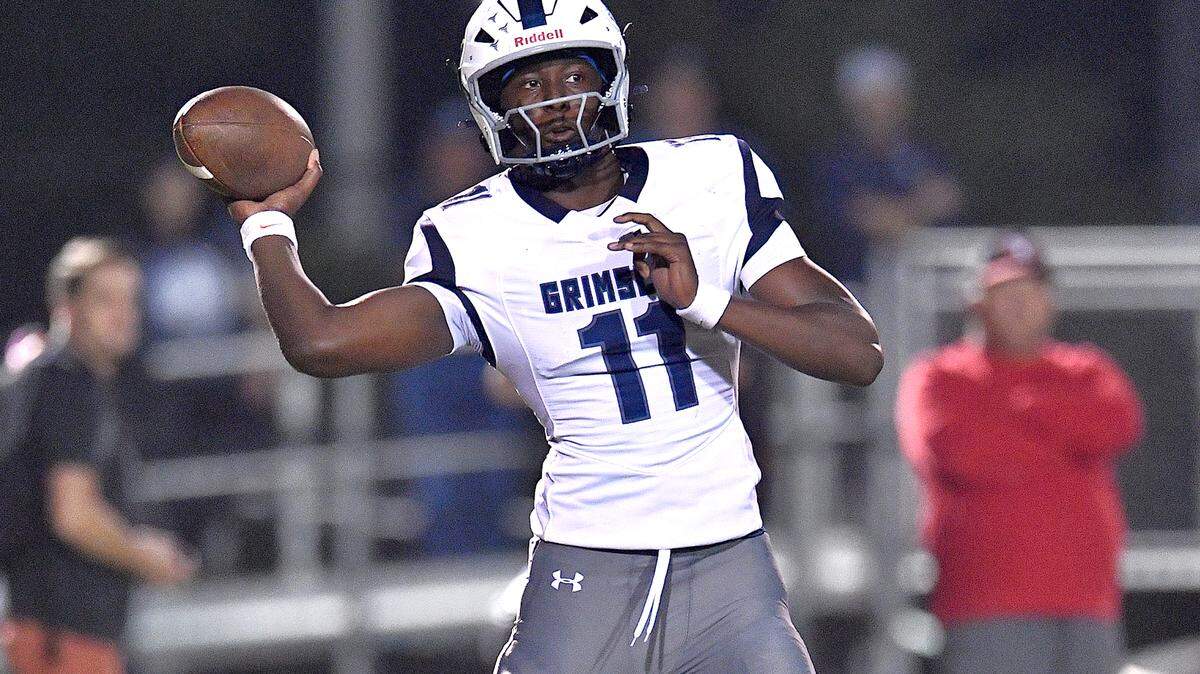
The mother of Faizon Brandon, the star quarterback at Grimsley High School in Greensboro, is suing the state board for not allowing NIL deals this school year. The family says the state is costing Brandon “a life-changing NIL opportunity.”
State lawmakers passed a law that went into effect in October that blocked the North Carolina High School Athletic Association from going ahead with its plan to allow NIL deals. The law established that the decision on whether to allow NILs should be decided by the state board.
Lawmakers only gave the state board one month to discuss and act on a NIL policy for the 2024-25 school year,. according to state board chair Eric Davis.
“NIL is a complex issue that requires thoughtful guidance, and given the limitations for the temporary rule making, the board chose to maintain the status quo and not authorize NIL in the temporary rule,” Davis said Wednesday.
Since then, Davis said the board has worked with groups such as the NCHSAA to develop a new permanent rule that “gives us the best opportunity to safeguard the interest of students, their families and schools.”
Duncan, the board vice chair, added that they’re not voting on the new rule now because of the lawsuit. He said they’re having to act now due to the timeline for the state’s rule-making process.
Do’s and don’ts of NILs
Under the new rule, athletes could be paid for:
▪ Public appearances or commercials.
▪ Autograph signings.
▪ Athletic camps and clinics.
▪ Sale of non-fungible tokens (“NFTs”).
▪ Product or service endorsements.
▪ Promotional activities, including in-person events and social media advertisements.
There would be a list of things athletes couldn’t promote, including adult establishments, alcoholic products, tobacco products, cannabis, sports gambling and weapons.
Athletes would also be prohibited from doing things such as wearing their team uniform during their NIL activities or promoting goods during athletic competitions or school activities.
Schools would be prohibited from using NIL deals as a recruiting tool.
Athletes would need the deal to be approved by their parent or legal guardian if they’re under the age of 18.
Balancing academics and economics
“We believe the proposed rule appropriately balances concerns about student safety, welfare and academic success with the reality of the changing landscape of amateur athletics and the economic opportunities available to student athletes in North Carolina,” said Collins, the state board assistant general counsel.
North Carolina private school athletes are already allowed to sign NIL deals. In addition, Collins said more than 30 states allow NIL deals for high school students.
Allowing NILs would help school districts who are losing students to private schools, according to Cumberland County Superintendent Marvin Connelly.
“Cumberland does not need another issue where students will go to the private schools in order to access the NIL if this board does not approve NIL for public schools,” said Connelly, an advisor to the state board.
Under the new rule, athletes would have to provide copies of NIL deals to their school and district. It would be up to schools to ensure compliance with the NIL rule.
Violation of the NIL rule could cost the student their athletic eligibility.
State board members raised concerns that it would put a lot of extra work on school athletic directors. But Collins said only “a very, very small percentage of students” will be offered these deals.
“The disclosure requirement basically puts the school on alert and it could be one student, two students, probably in the case of most of our schools no students that are subject to these agreements,” Collins continued.
It’s unclear if local school boards could bar NILs if they’re allowed by the state board, according to Collins.
Will NILs create ‘athlete-students’?
Allowing NILs could increase the pressure that some athletes feel to make athletics the priority over academics, according to Ian House, a track-and-field athlete at Green Hope High School in Cary and a student advisor to the state board.
“So for those few students who will benefit from NIL, I feel that they will also do that, and they may even more in a stronger sense make athletics first and being a student come in second,” House told the board. “So they’re an athlete-student but not a student-athlete.”
But House also said allowing NILs will not mess up team dynamics. House said he appreciated how athletes won’t be allowed to participate in branding deals when they’re at athletic events. He said those times are meant for team-building.
State board member Olivia Oxendine said the ramifications from the NIL rule make it the most major decision she’ll make during her 11 years on the board. But Oxendine said that she felt like they’re talking about an issue that doesn’t necessarily fit the mission of public schools.
“I’m not saying this is wrong,” Oxendine said. “It seems like a misfit to the purpose of public education, and public education is changing so I’ve got to plant that in my head too.”
This story was originally published September 5, 2024 at 11:23 AM.