Volunteers needed to ‘make a big difference’ for Wake students. How you can help
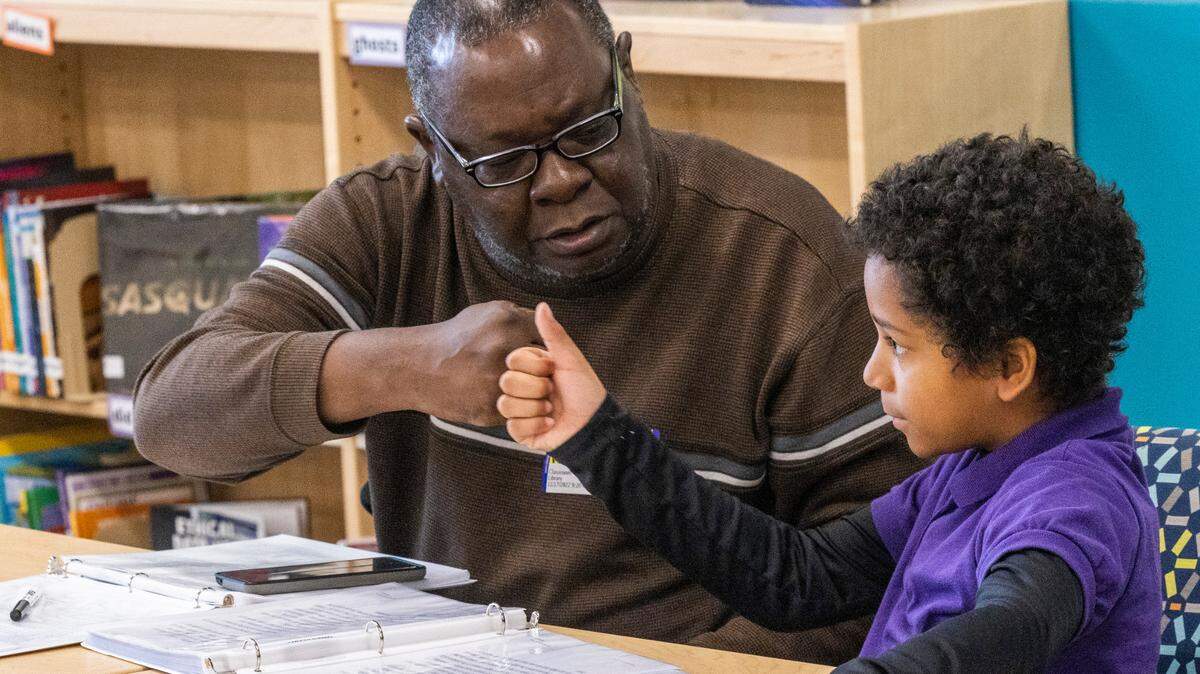
Wake County wants to triple the number of volunteers in a tutoring program that’s helping elementary school students improve their reading skills
The Wake County school system, the WakeEd Partnership and Helping Education are recruiting tutors for the third year of the WakeTogether program. The goal is to add 150 more volunteers this school year to have 231 tutors provide intensive one-on-one reading help for students in 64 elementary schools.
“The need for volunteers has never been greater,” Wake County Superintendent Robert Taylor said Thursday at a kickoff event for the tutoring program at Green Elementary School in Raleigh. “There are still many students who would benefit from the personal attention and the guidance that the HELPS program offers.”
The need for tutors remains great. Last school year, Wake’s passing rate on the state’s end-of-grade reading exam was 59.2% in third grade, 63.3% in fourth grade and 61.5% in fifth grade.
Wake is back above the 2019 pre-pandemic passing rate in fourth- and fifth-grade reading.
Tutors receive reading fluency training
WakeTogether uses literacy strategies — such as focusing on phonics — offered by Helping Education, a Raleigh-based non-profit group. Tutors use Helping Education’s Helping Early Literacy Practice Strategies (HELPS) curriculum.
This school year, Wake is paying $219,500 to Helping Education and $120,000 to the WakeEd Partnership to recruit volunteers and coordinate the program.
Students in grades two through five who need reading help receive one to two hours a week of what’s called “high-dosage tutoring.” Volunteer tutors provide one-on-one tutoring while school employees provide small-group tutoring.
Volunteers are asked to commit to at least one hour a week for a semester. Volunteers work with individual students in 20- to 30-minute blocks following a script developed by Helping Education.
“If you’ve ever sat down and read a book with a child, you’ve already got the building block to come in and make a big difference,” said Keith Poston, president of the WakeEd Partnership.
‘Opening doors’ for students
Data from the first year of the program in the 2022-23 school year showed students made large gains in the number of words read correctly.
By last school year, 81 tutors were working with students at 48 elementary schools.
Data shared Thursday showed continued literacy gains last school year for students who were tutored at Green Elementary. Last school year’s district-wide data for the program hasn’t been released yet, but Taylor said Wake has seen “incredible success in improving literacy skills.”
“It’s not just about literacy,” Taylor said. “It’s about ensuring that every child in Wake County has the support they need to thrive. Reading is the foundation of all learning.
“By helping a child improve their reading skills, you’re opening doors to a world of possibilities.”
How to become a volunteer tutor
Go to wakeed.org/waketogether to learn how to become a volunteer tutor in the WakeTogether reading literacy program. Volunteers will need to complete a background check and receive training before starting.
This story was originally published September 12, 2024 at 2:08 PM.