Wake is saying no to starting boys’ volleyball teams in high schools. Is it unfair?
Wake County is one of the most affluent areas in North Carolina, but school leaders say they don’t have the resources to expand the number of high school sports programs across the district.
Students have been lobbying Wake to offer new high school sports such as boys’ volleyball and mountain biking. But Wake County school administrators told the school board this week that they don’t have the money or staffing at this time to offer new high school sports.
The high school athletics presentation came the same day Wake County Superintendent Robert Taylor released a budget proposal that includes $18.7 million in cuts.
“The district is not prepared and at the place where we have the capacity systemically to direct all of our schools to offer a new program,” Drew Cook, assistant superintendent of academics, told the school board.
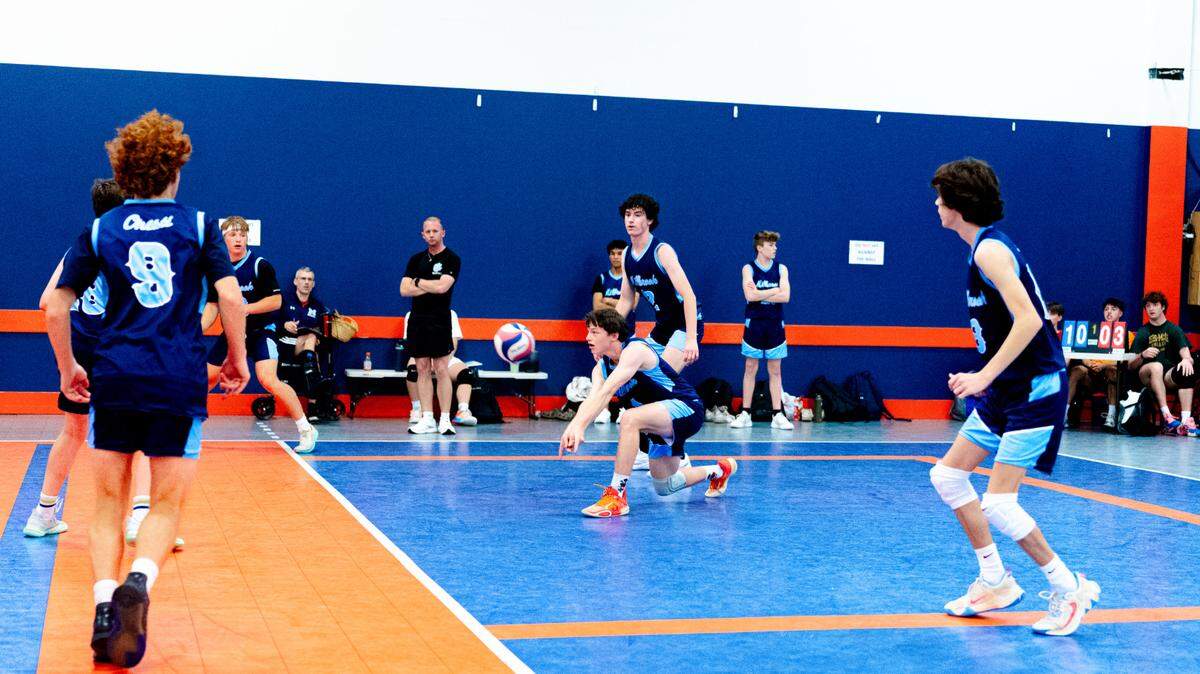
The staff recommendation was another blow for boys’ volleyball supporters, who’ve been lobbying Wake to make it an officially sanctioned district sport.
“Despite the overwhelming interest from nearly every Wake County high school and the fact that many schools already have club teams in place, we were once again told that expansion isn’t feasible — not because of a lack of demand, but because of funding and logistical constraints,” the student-led Wake County Volleyball Association said in a statement to The News & Observer.
Wake expands women’s sports
Wake County will open its 26th comprehensive high school this fall with Felton Grove High School in Apex. The district now offers 29 varsity and 12 junior varsity high school sports.
Wake County is North Carolina’s largest school district. Since 2003, Wake has won 173 team state championships and 635 individual state championships.
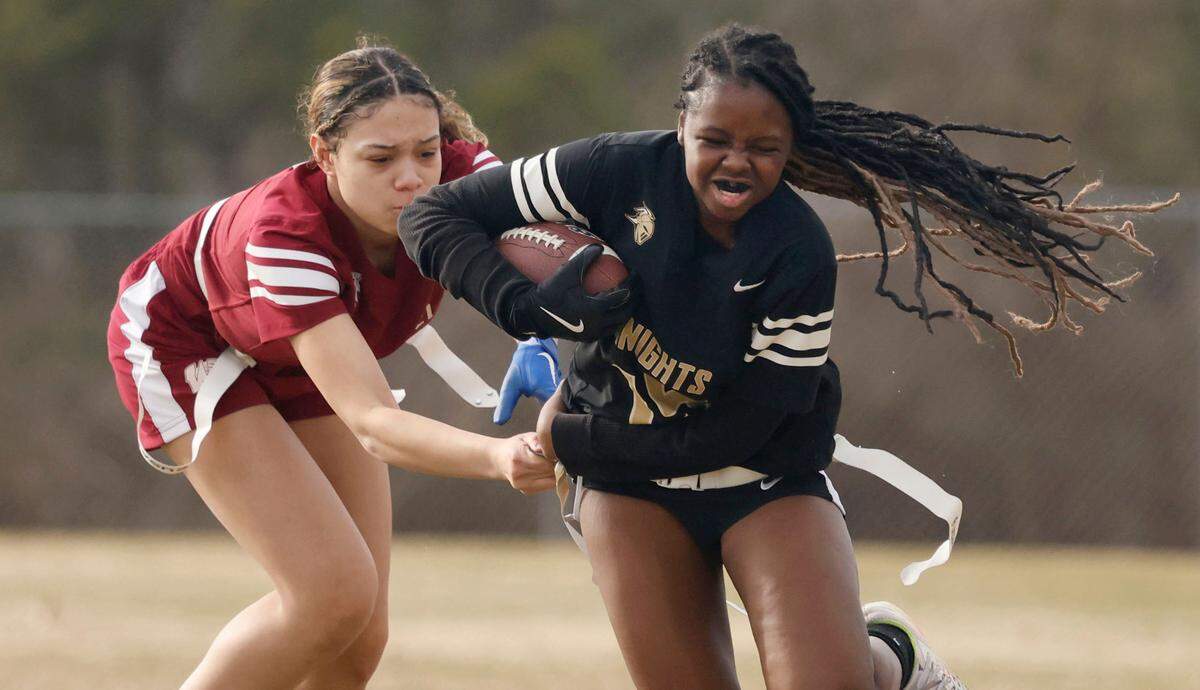
In recent years, Wake has sharply expanded the number of female sports programs such as stunt, women’s wrestling and women’s flag football. This came after a 2012 settlement of a federal Title IX civil rights complaint that accused Wake of not doing enough to meet the needs of female athletes.
Last school year, Wake County female students made up 48.5% of high school enrollment and 38.25% of student athletes. That’s up from 35.7% in 2003.
“When we do look at data, one thing that we do keep in mind is our compliance with the Office of Civil Rights and Title IX,” Deran Coe, the district’s director of athletics, told the school board. “So expanding women’s programs has been a priority, continues to be a priority.”
Challenge of adding new sports teams
But Coe said Wake has reached a limit now of how many high school sports it can offer given its current resources.
“Expanding athletic programs presents significant logistical challenges, particularly with facility availability, scheduling and staffing,” Coe said. “With 42 teams already sharing limited practice and competition space at our schools, adding new programs would further strain field and court access, creating conflicts with existing teams and their needs and schedules.”
Coe also pointed to financial challenges such as coming up with the money to buy equipment and paying coaches. He said it would put more pressure on booster clubs to raise money, creating variable experiences across schools.
There are also issues, according to Coe, such as lack of staffing at schools and at central office to support expansion. Coe said his department has only two people to service all the high schools.
Unified Sports or boys volleyball?
Coe told the board that Unified Sports would be the next key initiative for any athletic expansion — not boys’ volleyball. Unified Sports is a program within Special Olympics North Carolina that puts students with and without intellectual disabilities on the same team.
Track and Field is the only Unified Sport currently offered in Wake. Additional Unified Sports teams would enhance inclusion opportunities for students, according to Coe.
“We can’t effectively support the expansion of Unified Sports or any other new program until we have the necessary infrastructure and personnel in place,” Coe said. “Without additional staffing, future expansion just is not sustainable.”
School administrators acknowledged that fewer people are asking for Unified Sports than boys’ volleyball.
“We’ve got to make some decisions about other offerings where maybe there’s not students or families coming to the board podium quite frankly to make us aware of their desire to participate, and I’m specifically talking about Unified Sports,” Cook told the board.
Boys’ volleyball supporters want ‘action’
The North Carolina Boys’ Volleyball Association, with financial support from the Carolina Region of USA Volleyball, offered grants to start boys’ volleyball teams in Wake County high schools. NCBVA wants Wake onboard to get enough schools to get the sport sanctioned by the N.C. High School Athletics Association.
But Coe said that if the district took on the grant it would have to weigh factors such as how it would impact Title IX compliance. He said the district would also have to develop a plan to pay the coaches once the funding is gone.
Coe said individual Wake high schools are welcome to accept the grant. Individual schools can start sports teams without district financial support if they follow district athletic rules.
Coe’s argument didn’t fly with the Wake County Volleyball Association. The group pointed to how the district had accepted a grant from the Carolina Panthers to start women’s flag football before taking on the funding itself.
“It’s time for Wake County to stop delaying and start making real commitments to expanding athletic opportunities for all students. Boys’ volleyball is here,” the Wake County Volleyball Association said in its statement. “The demand is undeniable. Now we need action.”