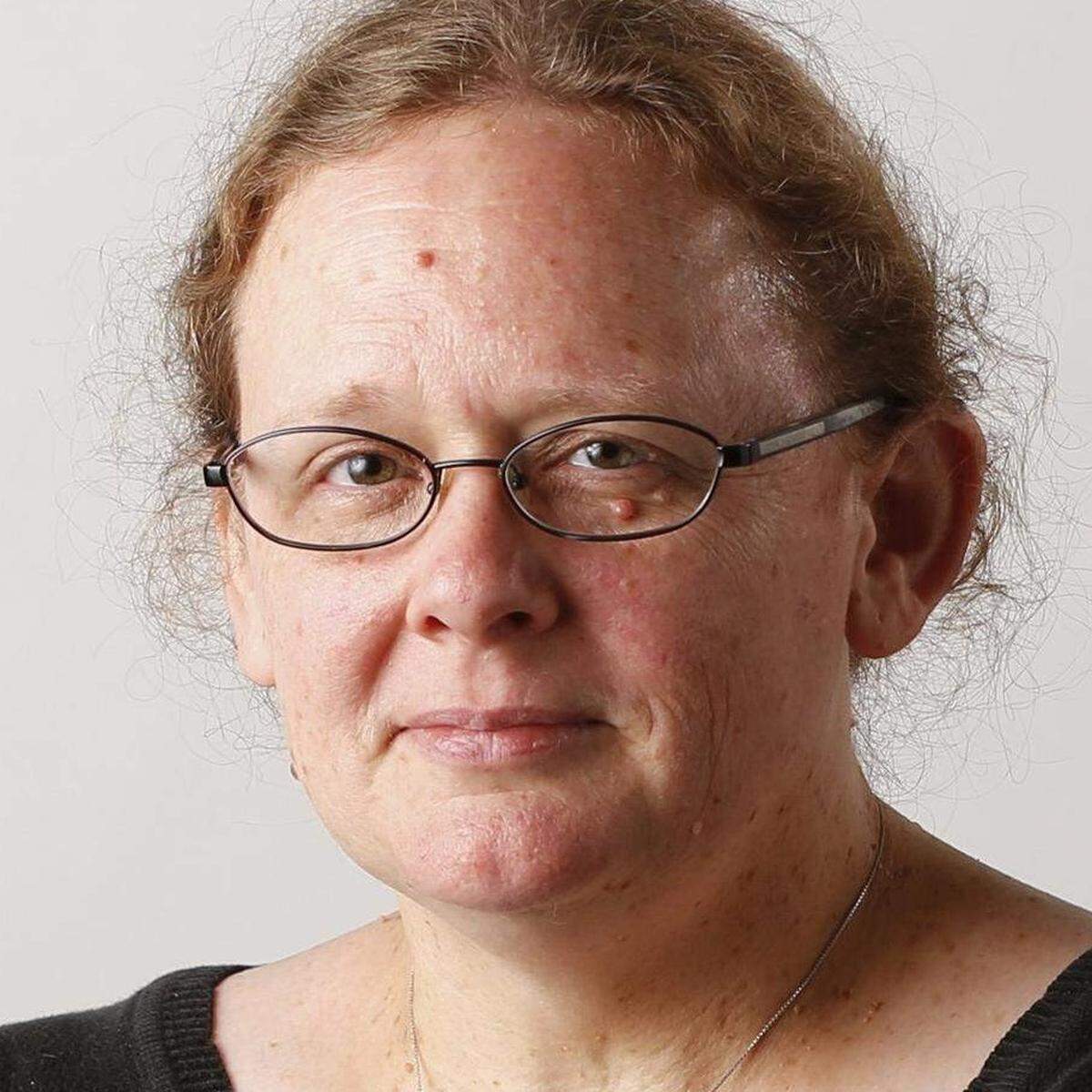
Triangle teacher sparks social studies interest with stories of young survivors
AI-generated summary reviewed by our newsroom.
- Selena Masse received state Holocaust Educator award for impactful teaching.
- Masse uses survivor stories, books and speakers to personalize global history.
- Masse encourages empathy and critical thinking through historical context.
It’s unbelievable how often she encounters former students at restaurants, workshops, and even while relaxing at the beach who remember her class, Selena Masse said.
“If they remember it, that’s probably a good thing,” the Orange Middle School teacher said. But “the coolest thing after all these years is seeing that a lot of my former students are now teachers and educators themselves … and I have actually worked with my former students.”
The seventh-grade social studies teacher is wrapping up her 25th year in education, having taught in both the Orange County and Person County school systems. In the 2024-25 school year, she was named Orange Middle School’s Teacher of the Year.
This year, Masse also was honored with the inaugural Holocaust Educator of the Year award from the Center for Holocaust, Genocide, and Human Rights Education of North Carolina.
The award honors K-12 teachers “who actively, by their example and through teaching about these difficult subjects, strengthen North Carolina students’ world-citizenship and capacity to uphold the dignity of all persons.”
It gives Masse, 48, the opportunity to work with the N.C. Council on the Holocaust to ensure other teachers know about upcoming programs and classroom resources.
In her acceptance speech at Kehillah Synagogue in Chapel Hill — on Holocaust Remembrance Day (Yom Ha’Shoah) — Masse said she was “very overwhelmed and so grateful.”
“Teaching is definitely not for the accolades. It’s not for making money. It’s for the kids,” she told The News & Observer in a recent interview.
“I’m passionate — just like educators that put their heart and their soul into teaching — and I hope at the end of the day that when students leave my classroom, they know that I’ve given them everything that I can give them,” she said. “I don’t want them to look back at my class [as] just learning about facts and figures. I want them to look back at my class and say to themselves, ‘I remember guest speakers, I remember books.’”
Personal stories of war, genocide
North Carolina’s seventh-grade social studies standards cover history from 1400 to the present, aimed in part at helping teach students “how values and beliefs affect human rights, justice, and equality for different groups” and “how individuals and groups respond to stereotypes, oppression, human rights violations, and genocide.”
A 2021 state law also requires middle and high school students learn about the Holocaust and genocide. It’s a “crucial example to illustrate the devastating consequences of intolerance,” Masse said.
Masse engages her students with films and books that she buys with grant money. She finds speakers through research and contacts who can share their experiences, from one of the 20,000 Lost Boys of Sudan who survived that country’s deadly civil war, to Bronia Brandman, who as a girl in occupied Poland survived the Auschwitz II-Birkenau concentration camp in World War II.
Other speakers live in North Carolina, she said, including Alan Gratz, a historical fiction author who wrote, “Ground Zero” about the experience of a boy in New York City during the 9/11 attacks who later encounters a girl living under Taliban rule as a soldier in 2019.
And Kathleen Burkinshaw, a Japanese-American author from Charlotte who wrote how her mother survived the dropping of the atomic bomb on Hiroshima in “The Last Cherry Blossom.” Radiation exposure has affected both women for decades.
Classroom discussions focus on history and current events. She leaves politics — especially her own — out of it, Masse said.
“A lot of times, students better understand if they can ... empathize with different characters in the book,” she said. “My challenge is to make sure that I am fostering an understanding and appreciation of things that have happened to people throughout history.”
She could just as easily be teaching about Serbia and Bosnia or the Khmer Rouge in Cambodia, Masse said, because the state doesn’t test seventh-grade social studies. That gives her flexibility to plan her curriculum and collaborate with the school’s English teachers.
“It is my labor, and it’s a labor of love. It is my passion,” Masse said. “When I think about teaching and when I think about the impact that I can have on students, I want to bring history alive.”
Teaching students to think critically
The native Alaskan learned a lot about the world from a life on the move, to wherever the military decided to station her father, a 20-year U.S. Army veteran.
As a young girl, she lived in West Germany in the 1980s before the Berlin Wall fell, “very well aware of the fact that things like the Holocaust had happened,” Masse said. She saw her father wrestle privately with his post-traumatic stress from the Vietnam War.
“It’s kind of interesting, when I go over things like the Vietnam War, to talk about my father and what it was like for him as a young person, being there and talking about difficult things like PTSD and talking about how there are certain things that he won’t even discuss with me because of the impact of war,” she said.
Her hope is that students will take away the information they need to draw their own conclusions and think deeply about life lessons, like how “words have consequences” and the importance of “standing up for what is right and doing the right thing,” she said.
She also wants them to know that everybody has a story, and that some “have gone through the unimaginable,” she said. “It’s important to carry on and to remember those that died, so that their stories are not lost.”
“I want my kids to be empathetic. I want them to think critically,” Masse said. “I want them to realize that there’s this whole other world outside of their small world of Hillsborough.”