Wake rejects book challenge. ‘The Kite Runner’ will stay in high schools.
AI-generated summary reviewed by our newsroom.
- Wake County school board panel voted 3-0 to retain 'The Kite Runner' in curriculum.
- Parent challenge cited graphic themes, but review committee pointed to educational value.
- 'The Kite Runner' ranked among top banned school books in 2023–24 by PEN America.
North Carolina’s largest school system has rejected a parent’s request to remove the book “The Kite Runner” from its high school English curriculum.
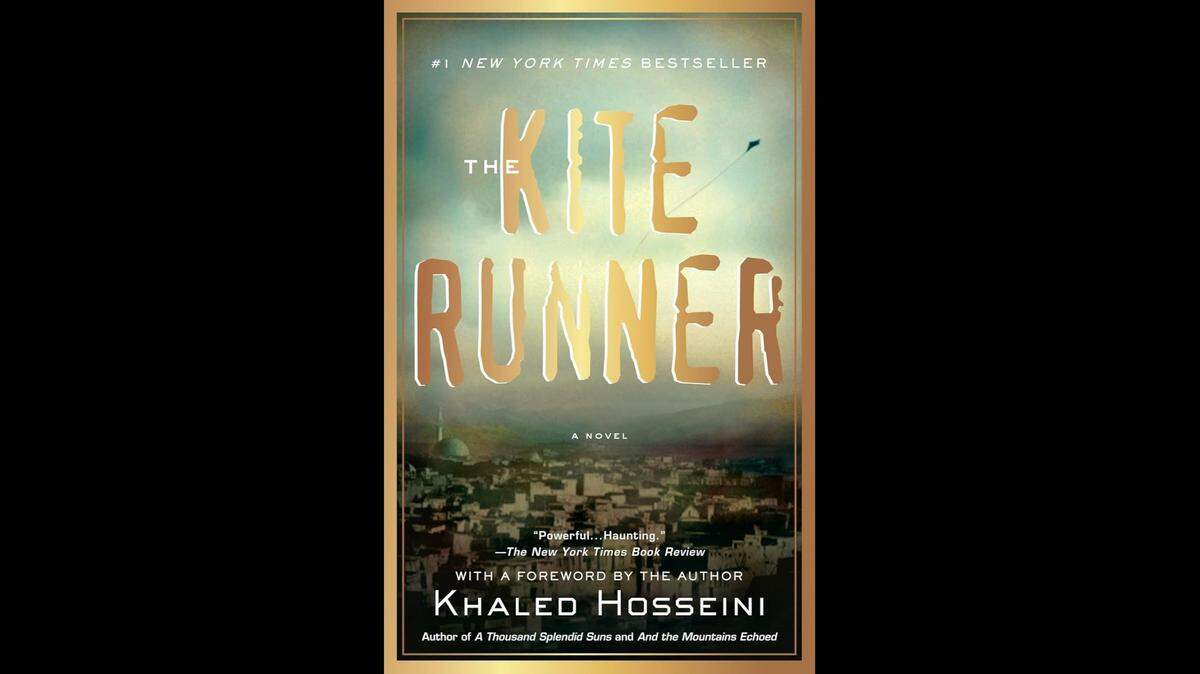
“The Kite Runner” is an award-winning but frequently challenged historical novel by Khaled Hosseini set in war-torn Afghanistan that discusses topics such as rape and suicide. Last week, a Wake County school board panel voted 3-0 to uphold a district committee’s recommendation to continue using the book as required reading for 10th-graders.
“After careful consideration and deliberation, the Board voted to uphold the school’s decision to retain ‘The Kite Runner’ as a core instructional material at Panther Creek High School,” Wake said in its letter to Taura Waller, the parent who filed the book challenge. “This is the final decision of the Board.”
Waller said she was disappointed in the board’s decision.
“I would hope that if they keep it in the curriculum that they’d add an addendum or something where it’s required the students have resources and support to go along with that book because it does have perverse language, gang rape and suicide,” Waller said in an interview Monday with The News & Observer. “Kids aren’t getting the resources to help them in a structured environment.”
Why is ‘The Kite Runner’ challenged?
The book follows the journey of Amir, a young boy from Kabul, and is set against the tumultuous background of Afghanistan’s history, from the fall of the monarchy through the rise of the Taliban regime, according to Britannica.
A scene involving the rape of a boy who is Amir’s friend has often been cited in book challenges.
“The Kite Runner” was the 11th most challenged book in the 2010s, according to the American Library Association, and the eighth most banned book in schools in the 2023-24 school year, according to PEN America.
“Children should not have to read about rape as part of their curriculum,” Waller wrote in her book challenge. “This could affect their mental health. As an adult, I don’t even read or watch things with rape in it to protect my mental health.”
But Hosseini, the book’s author, said in a March interview with Minnesota Public Radio News that banning his book “betrays” students instead of protecting them.
“It robs our children and our students of something vital that we owe them as their parents and their instructors, which is the chance to broaden their human community, to foster empathy, to teach them to challenge their own preconceived ideas and to maybe take a step toward becoming a fuller and wiser version of their authentic selves,” Hosseini said in the interview.
‘The Kite Runner’ is part of Wake’s curriculum
“The Kite Runner” is one of the books Wake County uses in English 2, a course focusing on world literature typically taken by high school sophomores. Wake considers the book to be a “core instructional resource.”
Panther Creek High School in Cary gave a different reading assignment to Waller’s son after she complained about him reading the rape scene last spring in his English 2 Honors class. She filed a book challenge that could have led to “The Kite Runner” being removed from all Wake high schools.
In June, Wake County’s Central Instructional Materials Committee voted 9-1 against the book challenge. The committee consists of parents, teachers, administrators and principals.
“With proper communication as well as guidance and support from educators, ‘The Kite Runner’ can be an impactful text for students,” Rachel Huber-Jones, a committee member and senior administrator for secondary social studies, said at the time. “While it may not be for all students, removing it for all students seems heavy-handed and removes opportunities to learn for untold numbers of students.”
The committee didn’t recommend new restrictions on the book. But district staff said they’d make changes in the future such as letting parents know that they can request alternative assignments to the book.
Waller appealed the committee’s decision. School board chair Chris Heagarty and board members Christina Gordon and Lindsay Mahaffey heard the appeal on July 31.
The panel met in closed session for about 10 minutes to discuss the challenge. Board members returned to open session and voted to reject the challenge with no public discussion.
The board has historically sided with the Central Instructional Materials Committee. Previously, the board upheld the committee’s decisions to allow individual schools to keep books such as “Out of Darkness” and “Lawn Boy” in school libraries.
“I’m going to respect the board’s decision,” Waller said. “I’m praying for the kids because there’s so much going on around the world.”
This story was originally published August 5, 2025 at 6:00 AM.