How Trump’s SNAP cuts could end free meals for all at dozens of Wake schools
AI-generated summary reviewed by our newsroom.
- Federal SNAP cuts could reduce Wake CEP schools from 44 to as few as four.
- Up to 850,000 North Carolina children may lose access to free school meals.
- Wake may lose $30M in nutrition funds, forcing local or state funding decisions.
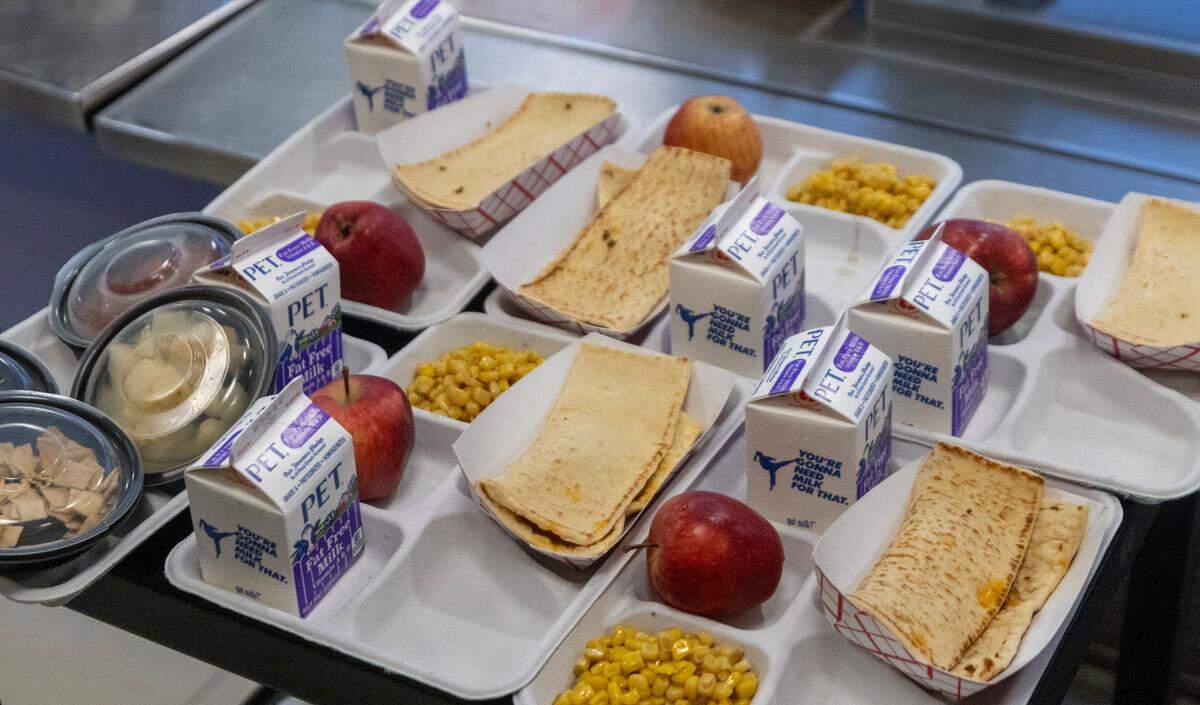
Federal cuts to the federal food stamp program could mean that dozens of Wake County schools will no longer be serving free meals to all their students.
Currently, 44 Wake County schools qualify for the federal Community Eligibility Provision (CEP), which allows them to serve free breakfasts and lunches to every child regardless of their family’s income. But Wake school officials say changes to federal food assistance rules in President Donald Trump’s “One Big Beautiful Bill” mean as few as four schools could qualify for the CEP program next school year.
Students at those schools would have to fill out paperwork if they want to continue getting a subsidized school meal. It’s a change that could affect how thousands of Wake students are fed each school day.
“Our CEPs have been great,” school board vice chair Tyler Swanson said at Tuesday’s budget and finance committee meeting. “This board has really pushed for that because we want all kids to be able to eat. But again, if the changes are happening at the federal level that could directly impact that as well. We have tough decisions.”
850,000 NC children may no longer qualify for free school meals
The budget reconciliation package that Trump signed into law July 4 calls for $186 billion in cuts to the Supplemental Nutrition Assistance Program by 2035.
Starting in 2026, families will face tighter eligibility requirements to receive SNAP benefits. Additionally, receiving SNAP will no longer automatically result in receiving free school meals.
SNAP recipients will have to fill out paperwork to send to their child’s school to continue to get free school meals.
Up to 850,000 North Carolina children may no longer qualify for free or reduced price meals due to the SNAP changes, The Charlotte Observer previously reported.
40 Wake schools may no longer qualify for CEP
Tiffany Lawrence, Wake County’s senior director for Child Nutrition Services, told the school board they’re expecting a reduction in the number of SNAP students and schools qualifying for CEP. The question is how much of an impact due to the federal changes.
If there’s a 10% decrease in SNAP students, Lawrence projected 33 of the 44 CEP schools would no longer be eligible. That would leave only 11 schools eligible to serve free meals to all students.
A 15% decrease in SNAP students would leave only six schools remaining in the CEP program.
A 20% decrease in SNAP students would eliminate 40 of the 44 currently eligible schools.
The impact is so noticeable, according to Lawrence, because many of the CEP schools are on the border now for eligibility.
School board chair Chris Heagarty suggested reaching out to families to help them fill out forms.
“Are there services they need that might be able to help them complete the paperwork and do the filing?” Heagarty said. “Could a modest investment offset a really big loss later on?”
Will NC offset federal SNAP cuts?
The reduction in CEP schools could also cost Wake County more than $30 million a year in federal funding. That’s at a time when rising labor and food costs have caused Wake to annually raise school meal prices to keep the program financially self-supporting.
David Neter, Wake’s chief business officer, told the board that revenues need to increase to help offset the rising costs. One option, Neter said, is to use local funds to cover child nutrition costs. But he said that means taking money that’s supposed to go to the “core business” of education.
“There are no easy solutions, but that’s where we are,” Neter said.
Another possibility, Neter told the board, is that states could help pick up the costs from the federal SNAP cuts.
“I haven’t heard any conversation at the state level about stepping in to fill any voids,” Neter said.
NC Reality Check is an N&O series holding those in power accountable and shining a light on public issues that affect the Triangle or North Carolina. Have a suggestion for a future story? Email realitycheck@newsobserver.com.