Eleven cancer-stricken former Poe Hall occupants sue NC State
AI-generated summary reviewed by our newsroom.
- Former Poe Hall occupants sued, saying NC State knew or should've known about PCBs.
- Plaintiffs claim university violated rights to bodily integrity and to earn a living.
- NC State says it will respond in courts, remediate Poe Hall and pursue Monsanto.
A group of 10 women and one man who developed breast cancer while working or studying at NC State’s Poe Hall are suing the university over allegations of “deliberate indifference.”
The school violated their fundamental right to bodily integrity under the state constitution, their lawsuit contends.
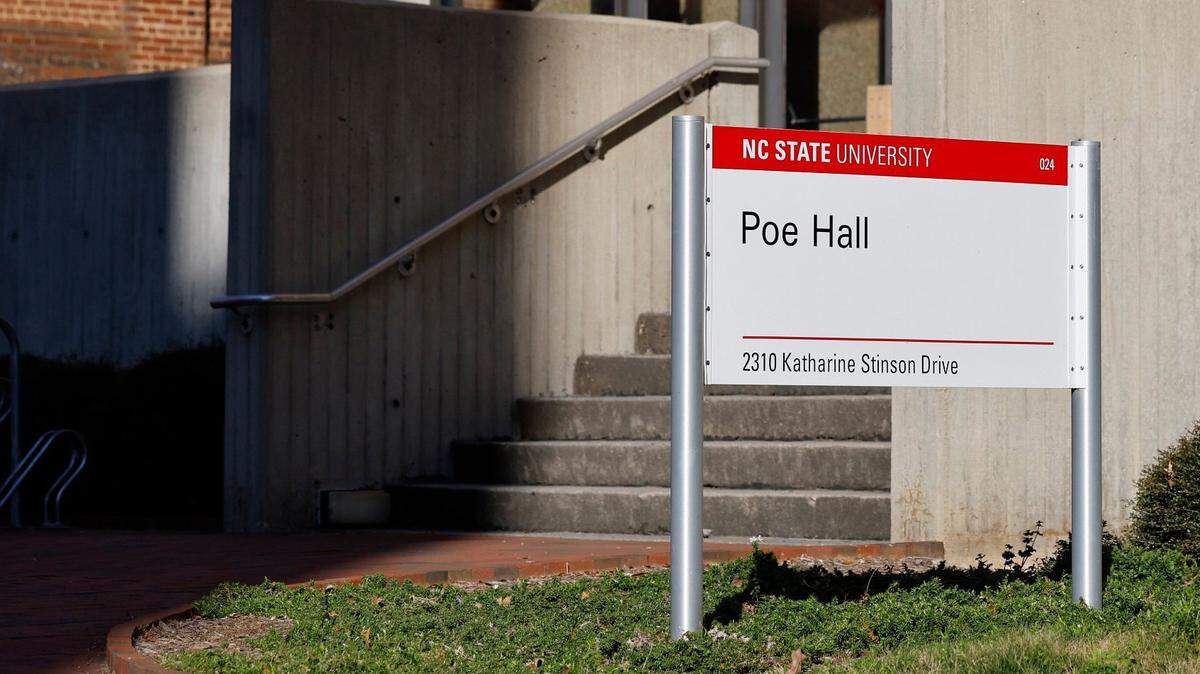
Poe Hall, NC State’s former education building, was constructed using materials that contained PCBs, a group of harmful man-made chemicals banned in 1979 — eight years after Poe Hall was built. NC State closed the building in 2023, and it is suing Monsanto for manufacturing the PCBs used to build its HVAC system.
In recent years, many former Poe Hall occupants who later developed cancer have come forward. Now, a group of them is taking legal action against the school.
The school either knew or should have known about the PCB contamination, according to the lawsuit, which was first reported by WRAL. It cites letters from staff from as early as 2012 reporting concerns from faculty about air quality at Poe Hall.
“Here, NCSU is a state actor that knew, or should have known, that PCBs were present in Poe Hall; knew of repeated and longstanding complaints from occupants about dust and black particulate matter circulating throughout Poe Hall and settling on surfaces; and knew through decades of EPA guidance, scientific literature, and regulatory action that PCBs posed severe and well-documented health risks, including breast cancer,” reads the lawsuit.
“Yet, NCSU failed to test, failed to remediate, failed to warn, and failed to act, choosing deliberate inaction in the face of foreseeable and preventable harm. As such, NCSU interfered with Plaintiffs’ fundamental rights under the North Carolina Constitution and caused constitutional injuries for which no adequate remedy exists.”
The North Carolina Constitution protects the right to earn a living and enjoy the fruits of one’s labor, a right the lawsuit contends the university violated.
A federal investigation of Poe Hall’s health hazards has had a chaotic trajectory. Requested in 2024 by NC State, the investigation was halted in April 2025 due to reductions in the federal workforce. Then, in May, the National Institute for Occupational Safety and Health told Chancellor Kevin Howell that they planned to go through with it after all. The results of that Health Hazard Evaluation are not yet in.
NC State is planning a massive remediation and renovation of Poe Hall, including removal of the HVAC system and all interior and exterior walls. The UNC System Board of Governors allocated more than $3 million for the project in 2024. Some worry, though, that this will amount to a destruction of evidence. In October 2025, former student and employee Sandra Alford — who is also a plaintiff in this case — filed a petition suggesting that evidence may have been, or is currently being, altered or destroyed by NC State, multiple news outlets reported.
“For any member of the NC State community who has battled or succumbed to a serious illness, our hearts go out to them and their families,” a statement from NC State reads.
“This lawsuit is a continuation of actions stemming from complaints regarding Poe Hall. Responses to this legal action will be made through appropriate legal channels,” the statement says. “Separately, NC State will continue to pursue accountability against Monsanto for damages from the PCBs it manufactured and furnished to construct Poe Hall. While the lawsuit against Monsanto continues, NC State will move forward with planning for remediation of the education building in order to get students, faculty and staff back to learning in an appropriate education environment in the heart of campus.”
Attorneys filed the lawsuit in Wake County Superior Court. They represent the estates of three individuals who have died.
This story was originally published January 27, 2026 at 1:45 PM.