Judge allows protesters back on UNC campus. Duke prof plans to take court up on it
AI-generated summary reviewed by our newsroom.
- Judge issues preliminary injunction restoring named plaintiffs’ access to UNC campus.
- Court cites indefinite bans, lack of removal standards, and limited evidence.
- Duke professor plans to resume campus engagements after legal victory.
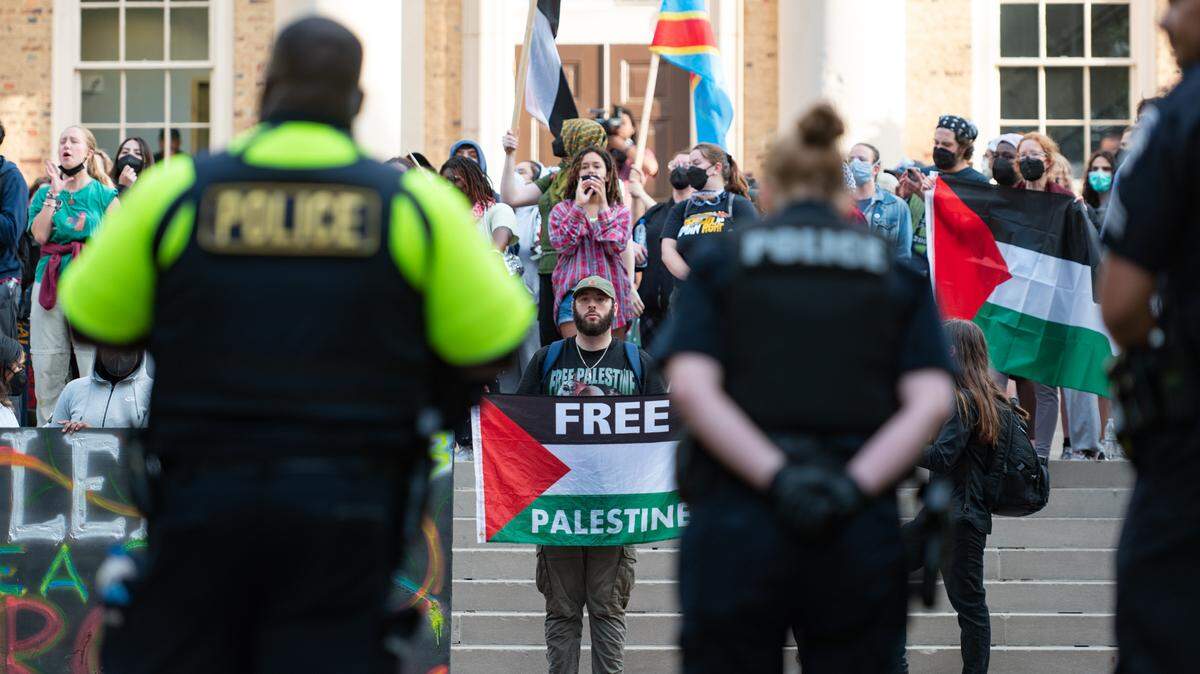
UNC-Chapel Hill banned four protesters from campus after they were arrested for refusing to clear out of a pro-Palestinian encampment in April 2024.
Last week, a judge ruled that this was likely a violation of their First Amendment rights, ruling against Chancellor Lee Roberts and restoring the banned protesters’ right to set foot on campus.
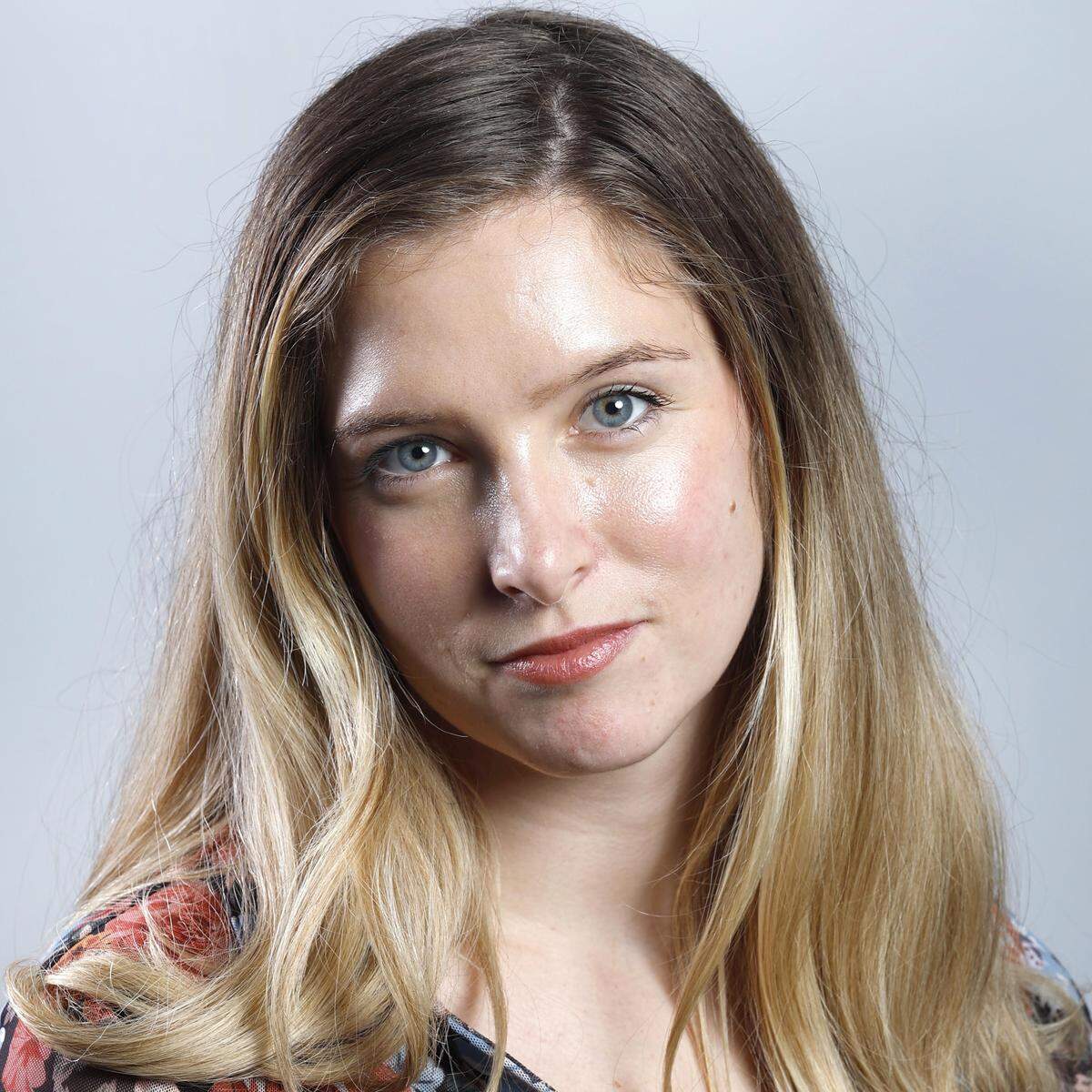
Now, once-banned Duke anthropology professor Emily Rogers says she plans to exercise her restored right.
“Dr. Rogers has had to decline multiple speaker invitations and forgo professional obligations on UNC’s campus due to her ban,” Rogers’ lawyers told The News & Observer. “She looks forward to engaging with her colleagues at UNC for the first time in nearly two years, and to exercising her right to free speech on a public university campus. She may even go to a women’s basketball game with friends.
“Such unreasonable and indefinite bans form the entirety of UNC’s campus in response to protected activity should have never been issued in the first place.”
As for the other three plaintiffs in the case, one is a Duke student, another a Meredith College student, and the third a UNC student who was on leave at the time of the encampment. Her ban was already lifted before the court ruling, and she reenrolled at UNC. Each remained in the tent encampment in Polk Place, a grassy quad on campus, after they were ordered to leave by 6 a.m.
The banned protesters attempted internal appeals, which were unsuccessful. UNC police chief Brian James told them they couldn’t try again for another two years. Though their second-degree trespassing charges were dropped, the three campus bans remained. Until now.
The order cites the indefinite nature of the bans, the lack of standards for determining when the bans could be lifted, and the limited evidence against the plaintiffs as the primary reasons for the bans’ likely unconstitutionality. The judge, Thomas Schroeder of the Middle District of North Carolina, issued a preliminary injunction indicating the plaintiffs are likely to succeed.
“To the extent Plaintiffs engaged in expressive conduct or speech of a political nature, it is undoubtedly protected speech,” Schroeder contends. “Second, Defendants are correct that Polk Place represents a limited public forum.”
Because no standards for the bans’ removal were given, it was “difficult to differentiate between a legitimate denial of access and an ‘illegitimate abuse of censorial power.’”
Schroeder sided in part with the university. He found that the campus bans were “subsequent punishment” rather than “prior restraint” on free speech.
Though UNC said it is unable to comment on pending litigation, it issued the following statement in response to the injunction: “UNC-Chapel Hill is committed to fostering an environment where free speech and intellectual engagement flourish. We will continue to support and encourage our Carolina community to exercise their free speech rights in a peaceful manner that is in compliance with laws and campus policies.”
The case was filed by the American Civil Liberties Union of North Carolina, Emancipate NC, and Muslim Advocates on behalf of the plaintiffs.
“The Court’s ruling marks a significant victory for free speech at a time when First Amendment rights are increasingly under siege,” wrote Jaelyn Miller, staff attorney for Emancipate NC. “While no decision can fully remedy the harm UNC caused these Plaintiffs, the ruling leaves no doubt that universities cannot engage in viewpoint discrimination.”