As vaccine hesitancy rises, Wake urges parents to vaccinate kids for measles
AI-generated summary reviewed by our newsroom.
- Wake County urges parents to check vaccination records and get kids MMR shots.
- North Carolina has 24 cases since December; most were in unvaccinated people.
- People without immunity may be excluded from school or work up to 21 days after exposure.
Wake County leaders are urging parents to get their children vaccinated to lower the risk of a measles outbreak.
Measles outbreaks had been rare until recently, with cases of the highly contagious virus being reported across the state and nation. On Wednesday, Wake County public health and school health officials urged people to check the vaccination records for them and their children to see if they’ve received the MMR (measles, mumps and rubella) vaccine.
“The virus can lead to serious complications in high-risk populations, including infants, children, pregnant individuals, and immunocompromised persons,” said Rebecca Kaufman, Wake County director of public health. “I think the good news in all of this is that this is preventable, and it’s preventable with the MMR vaccine, a vaccine that’s been around for a very long time.”
The current state of measles preparedness was one of the topics during Wednesday’s joint meeting of the Wake County Board of Commissioners and school board.
Rise in measles cases in U.S.
There have been 1,362 confirmed measles cases in 31 states reported in the U.S. this year, mostly stemming from outbreaks.
South Carolina has had a large measles outbreak with nearly 1,000 cases reported since October. It’s led to regional outbreaks in neighboring states, including North Carolina.
According to the N.C. Department of Health and Human Services Measles Cases and Outbreaks Dashboard, 24 cases have been reported since December. Most of the cases have been reported in unvaccinated people.
Wake County hasn’t had any confirmed cases yet among county residents
Vaccine hesitancy rising
In North Carolina,the MMR vaccination is among the shots that students must get before enrolling in school.
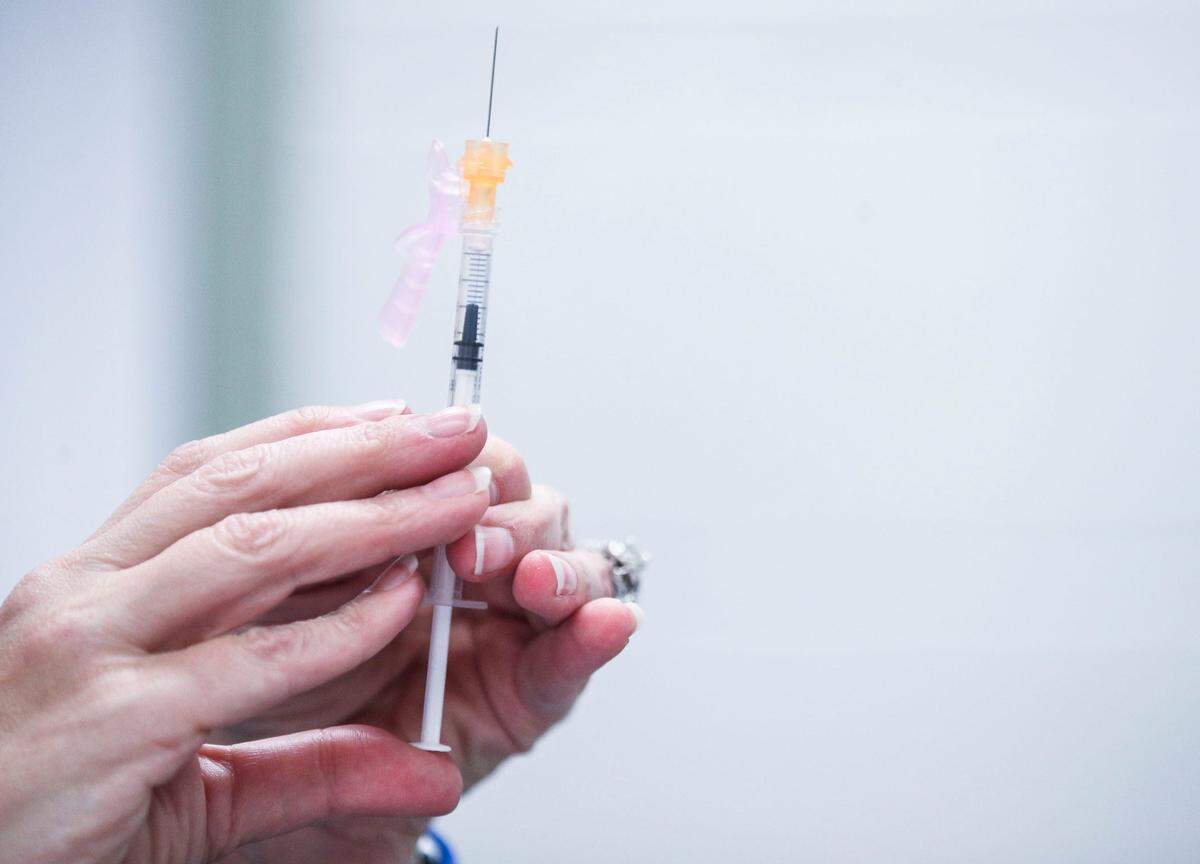
Last April, information was given to principals, families and school employees on the importance of vaccinations. Measles guidance was given to schools and PreK centers with steps such as identifying a location where people suspected of having measles can be isolated.
“There are vaccine preventable illnesses, and measles is one of them,” said Kelly Creech, the school district’s senior director of health services.
People without evidence of immunity may need to stay home from school or work for up to 21 days after exposure.
Families can get religious or medical exemptions from having their child vaccinated. Vaccine hesitancy has increased in recent years, especially since the COVID pandemic.
About 106,000 North Carolina children in elementary school — or one in six — attend schools where the risk for measles outbreaks runs high, The Charlotte Observer previously reported.
Their schools are designated high risk because fewer than 90% of kids there are vaccinated. Nearly 18,000 kids at the schools are not vaccinated, which means they’re almost certain to catch the measles if they’re exposed, according to public health officials.
Creech said she’s seen vaccine hesitancy rise in Wake County. While Creech said vaccinations are a personal choice, she said some of the hesitancy is based on “information about vaccines that may not always be scientifically based.”
“At a state conference I was at, there were providers that were talking about spending more time with their patients talking about the hesitancy,” Creech said.
Measles symptoms
Measles symptoms typically appear seven to 14 days after infection, according to the CDC. Common initial symptoms include:
- High fever
- Cough
- Runny nose
- Red, watery eyes
After two to three days of symptoms, the CDC adds, tiny white spots known as Koplik spots may appear inside the mouth.
The rash associated with measles typically appears three to five days after symptoms set in. The rash usually starts as flat red spots on the face at the hairline and can spread down the body. It may be accompanied by small raised bumps and/or a fever spike to more than 104°F.
Where to get vaccinated
Health officials say though that two doses of the MMR vaccine provide strong protection against measles so everyone 12 months and older should get the shots.
Go to https://www.dph.ncdhhs.gov/programs/epidemiology/immunization/details/mmr-vaccine for more information about the MMR vaccine and how to find a provider.
Charlotte Observer reporter Caitlin McGlade contributed to this story,