One Civic Life professor demands UNC release $1.2M report. Others aren’t so sure
AI-generated summary reviewed by our newsroom.
- UNC spent $1.2 million investigating SCiLL, but won’t release results.
- K&L Gates reviewed over 200,000 documents and conducted more than 50 interviews.
- A consultant said the report calls for serious corrective action, details withheld.
UNC-Chapel Hill spent $1.2 million investigating allegations of misconduct surrounding its own School of Civic Life and Leadership. Then, UNC announced that no one would get to see what that investigation found. Not everyone inside the school is at peace with that.
The school, commonly referred to as SCiLL, is controversial for two main reasons: the conservative values that informed its creation and the infighting and allegations that have swirled ever since, causing massive turnover in its faculty ranks.
UNC’s chancellor, Lee Roberts, says the report — which he characterizes as a “series of allegations that were made by various members of the faculty, really about each other, and about hiring processes” — cannot be released because “the entire thing is personnel information.” At a recent Faculty Council meeting, however, incoming faculty chair Michael Gerhardt, who served as a consultant on the investigation, confirmed that it calls for “serious corrective action.”
What that action may be, or if it will be taken, has not been clarified by UNC. The university’s deputy general counsel, Kara Simmons, said at the Faculty Council meeting that because those actions would be tied to individuals, they would also count as personnel information.
Raleigh law firm K&L Gates conducted the investigation. The attorney who led it, Nathan Huff, also represented powerful Republican Senate leader Phil Berger, The Assembly reported. The firm is closely controlling what investigation participants are allowed to say. In a March 9 email to former UNC provost Chris Clemens, who participated in the investigation, the firm wrote: “You are not permitted to disclose to anyone the topics discussed, questions asked, or any related substantive information.”
SCiLL’s leader, dean Jed Atkins, who the university says called for the investigation, refused to answer questions about the findings of the report. At the conclusion of the investigation, the university said it left leadership “fully confident in the continued strength and success of SCiLL under [Atkins’] leadership.”
In some quarters outside of SCiLL, UNC’s opacity has drawn outrage. Multiple local news outlets, including The News & Observer, have sued UNC under North Carolina public records law for the release of the report. On Friday, the Faculty Council will consider a resolution calling on university leadership to release the report, and another asking for greater transparency in the creation of new schools more broadly. On April 24, multiple student organizations will hold an on-campus demonstration to demand the investigation’s release.
Internally, calls to release the report are rarer. But one professor, Dustin Sebell, believes the report clears Atkins’ name, which, in his view, makes UNC’s refusal to release it a kind of betrayal. Sebell participated in the investigation, but has not seen the results.
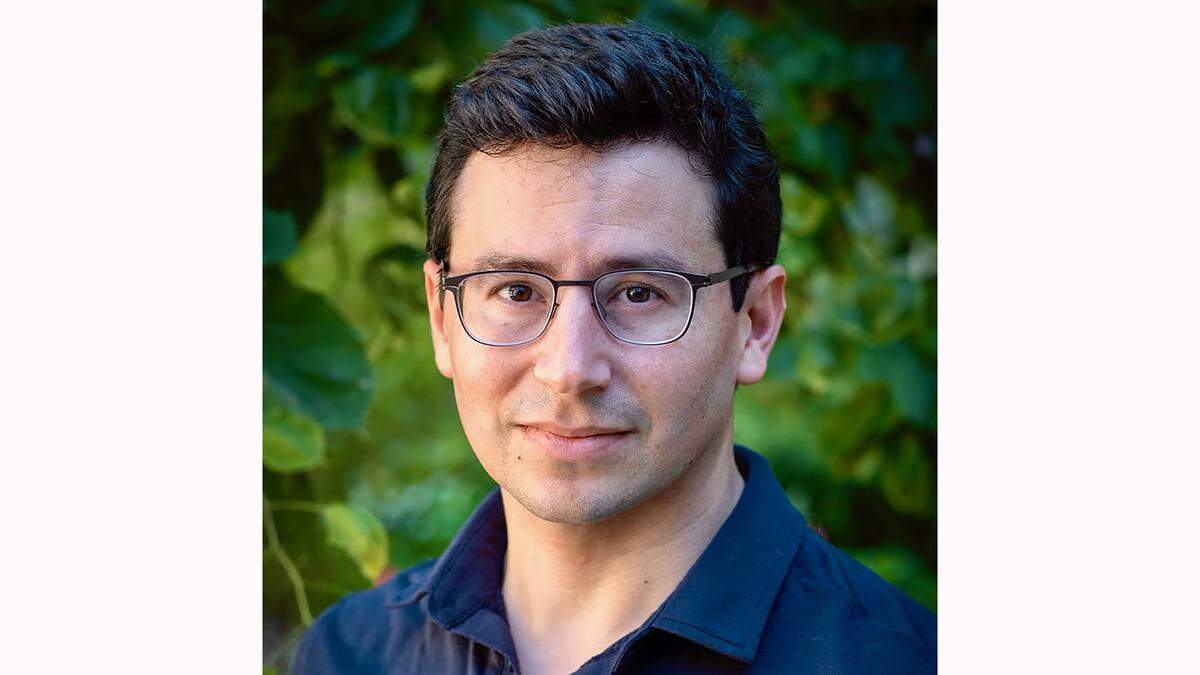
“The administration now knows that the dean of SCiLL did nothing wrong, and that faculty administrators, working to undermine the school and the legislative mandate, committed serious misconduct,” Sebell wrote in a statement to The N&O. “By refusing either to publicly vindicate the dean or to hold anyone accountable, UNC leadership is exacerbating the damage already done on their watch to the school and its dean, by allowing false allegations aired in the media to stand and creating a culture of unaccountability. This is an abdication of leadership by the university, which continues to play the middle against the ends rather than do the right thing.”
Not everyone feels similarly to Sebell. Faculty and students at the school, in general, tend to communicate ambivalence about the sealed investigation — but there is also a distinct curiosity about its content.
Cara Noelle, a senior with a SCiLL minor, said she can’t quite square her commitment to transparency with her immense respect and appreciation for the school.
“It’s not that I don’t care, I do. I care about transparency. I think it’s really important,” Noelle said. “But also, I can only go off of my personal experience, the real conversations I have, sitting in front of professors, sitting in classes, having meetings with my professors. That matters a lot more to me than what an investigation may or may not say.”
For faculty at the school, the focus is on the future. Three SCiLL professors who spoke to The N&O — Flynn Cratty, Dan DiSalvo and Rita Koganzon — said they didn’t participate in the investigation, and don’t know much about the focus and content of the report. That report, according to the university, is more than 400 pages. K&L Gates reviewed more than 200,000 documents and conducted more than 50 interviews with dozens of current and former faculty and leadership.
“I think a lot of us would be happy to have it,” Cratty, who has worked at SCiLL since 2024, told The N&O. “But just generally, we actually feel pretty proud about what we’re building.”
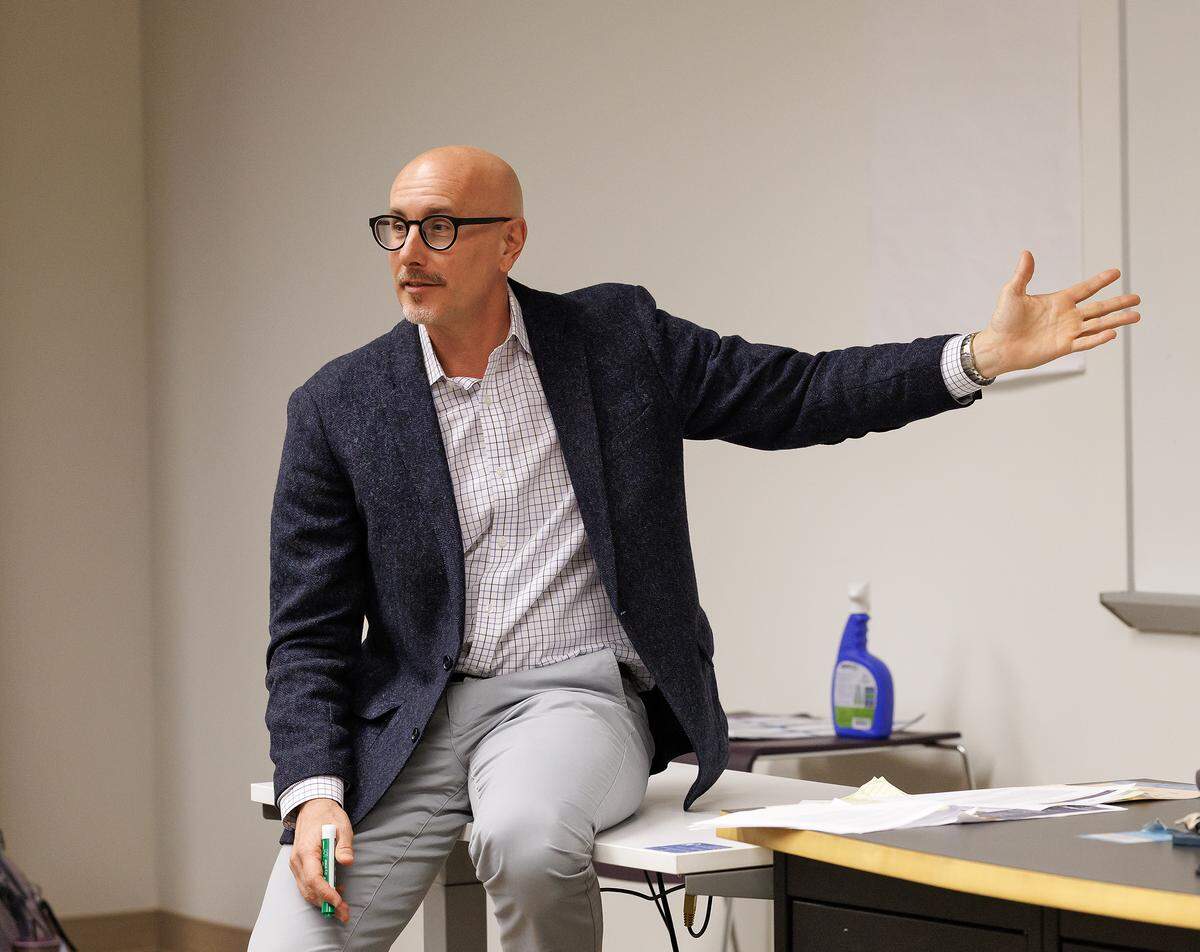
DiSalvo, an associate dean at SCiLL, expressed a similar sentiment.
“We haven’t been talking about it [much],” DiSalvo said. “Mostly, like: ‘the report is there, it didn’t come out.’ There’s a controversy over whether it should be released or not, but that’s all been aired in the local press. Why would I obsess about that, when we have so much more interesting things going on?”
“We may want to [see the report], but there’s a reason personnel actions are confidential and privileged, so I don’t feel like necessarily I have a right to trump some of that. I think some of that is perfectly legitimate,” DiSalvo said. “Whether it was wise on the part of the university to have it so they couldn’t have an executive summary or something that could be released, those are decisions made at other levels and I’m not in a position to know enough to question.”
Koganzon agrees with Sebell: It’s not the school’s current leadership, but other people mentioned in the report who may suffer if it’s released.
“There’s other faculty in the university who are implicated,” Koganzon said. “So from the university’s perspective, faculty on all sides of the dispute could potentially be made to look bad or damaged, even if it did vindicate the leadership, which is I think what their difficulty is.”
UNC freshman Mo Zheng, who plans to major in neuroscience and minor in SCiLL, said he had no idea about the investigation when he signed up for his courses. He has greatly enjoyed his experience in SCiLL classes, and says that now that he knows about it, it doesn’t bear on his personal experience in class. Noelle feels similarly, even though she’s been at the school since its inception, and has followed the controversy, which has received coverage in outlets ranging from the campus newspaper to the New York Times.
“I care deeply about good leadership and the values that leadership hold. But I also recognize that I don’t know everything about what goes into running a school or an institution,” Noelle said. “I recognize the controversy surrounding SCiLL and the disagreements between faculty and the different opinions of how things should be run.”
“From a student perspective, my education has not been impacted by the turnover, and my relationships with professors have not been impacted. ... I will say that I read the Daily Tar Heel articles. I pay attention to those things. But I also use my own judgment when I’m sitting in the classes and working for the professors, and I know that I have only positive relationships with the professors, and to me as a student, that matters a lot more.”
This story was originally published April 15, 2026 at 8:00 AM.