NC owes public schools $35.8 million from students using private school vouchers
AI-generated summary reviewed by our newsroom.
- North Carolina public schools are owed $35.8 million due to students leaving for vouchers.
- 12,252 of 106,704 Opportunity Scholarship students previously attended public schools.
- Opportunity Scholarship expansion increased state spending to $586.7 million this year.
A new state report shows North Carolina’s public schools are owed $35.8 million because of students leaving them to use taxpayer-funded vouchers to attend private schools.
A report presented Thursday by the state Department of Public Instruction shows 12,252 of the state’s 106,704 Opportunity Scholarship students had previously attended a public school. State legislators have said they’ll reinvest in public schools the amount they lost from students leaving to use the private school vouchers.
The data show former public school students accounted for 11.5% of the state’s voucher students. It confirms the ongoing trend that the state’s expansion in the voucher program is primarily benefitting existing private school families.
State lawmakers lifted income limits for getting a voucher and said that families already in private schools could get a voucher for the first time.
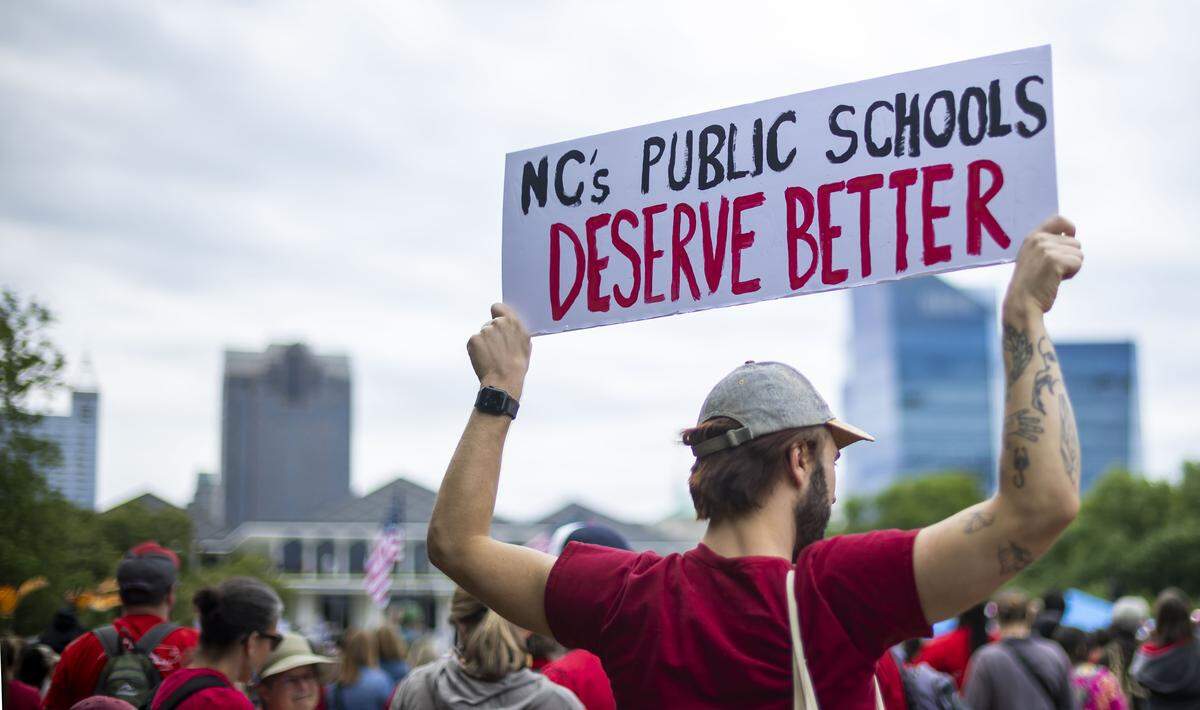
The release of the report comes less than a week after thousands of teachers marched on Raleigh. The demands included higher school employee pay, higher public school funding and ending the voucher school program.
State opens voucher program to all families
The state has been giving Opportunity Scholarships to help families cover private school costs since 2014. The program was initially promoted by Republican lawmakers as a way to help low-income families pay for private schools to escape low-performing public schools.
But the program was expanded for the 2024-25 school year to make it open to all families. It fueled a sharp expansion in the program as many private schools encouraged existing families to get vouchers.
The voucher expansion has allowed some private schools to raise tuition, reduce the amount they spend on financial assistance and embark on expansion programs.
The voucher numbers fluctuate monthly. But as of April, there were a record 106,789 students receiving $586.7 million this school year from the Opportunity Scholarship program. Only 32,549 students were getting a voucher before the eligibility limits were eased.
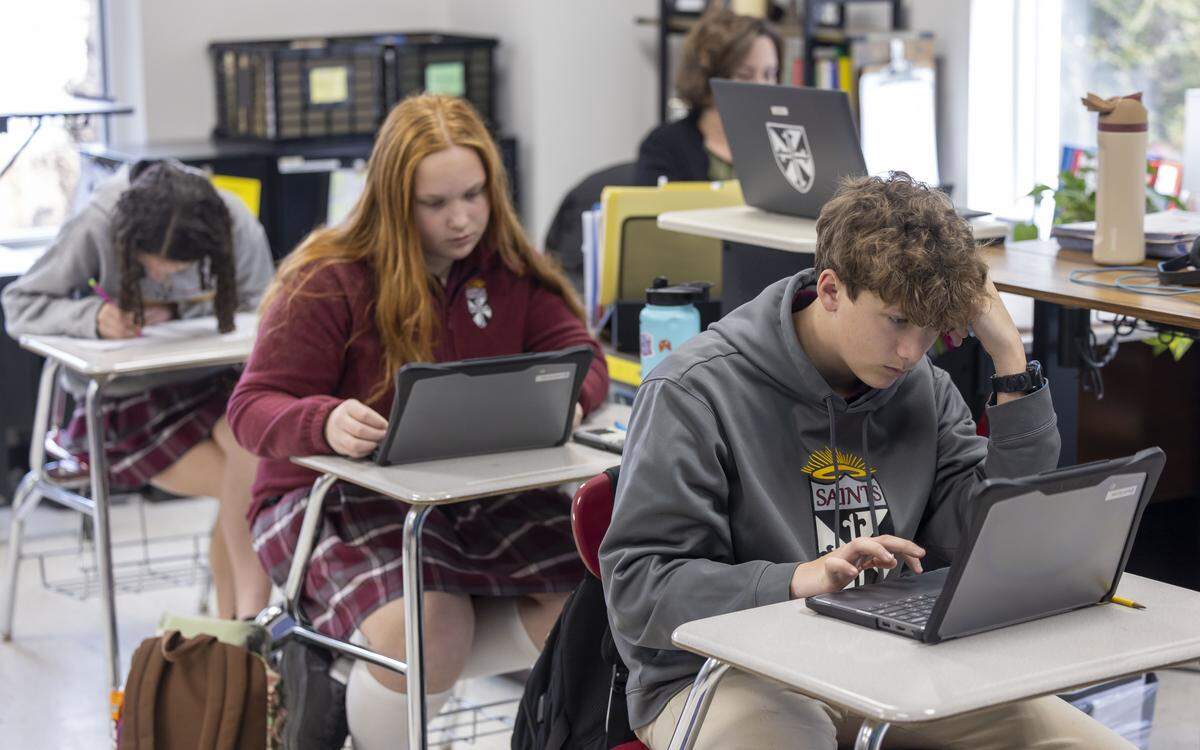
A News & Observer analysis of state data shows that Opportunity Scholarship students accounted for the majority of the enrollment in at least 520 of the state’s 930 private schools last school year.
Will lawmakers reinvest money in public schools?
State lawmakers said they planned to reinvest in public schools any savings in state funds caused from families leaving public schools by using the Opportunity Scholarship program.
Over the past two school years, students who left public schools received $106 million in voucher funds. If they had stayed, public schools would have gotten $141.8 million.
It’s unclear though if state lawmakers will make good on their promise to make up the $35.8 million difference.
“The language in the law says it’s their intent to create a Public School Reinvestment Fund and to put the funds that are identified in this report into that fund,” said Amanda Fratrik, DPI Director of School Business Services. “As of now, there has been no money put into that fund.”
Majority of voucher students leaving public schools were white
The new state report provides a breakdown of the 12,252 voucher students who were previously in public schools:
- 57% of the students are white.
- 61.8% of the students were not economically disadvantaged.
- 11.7% of the students had previously attended the Wake County school system.
- 10.4% of the students had previously attended the Charlotte-Mecklenburg school system.
- 14.2% of the students had been in 6th grade when they decided to switch to a private school.
Demographically, the students leaving public schools to use the vouchers are whiter and more affluent than the general public school population. For instance, white students account overall for 41% of the state’s public school enrollment.
This story was originally published May 7, 2026 at 11:18 AM.