Wake school meal prices could go up again this fall. Here’s how much and why
AI-generated summary reviewed by our newsroom.
- Wake administrators will recommend a 25-cent increase to breakfast and lunch prices.
- The 25-cent hike could raise lunch revenue by $554,612 and breakfast revenue by $93,578.
- Resuming free meals for all students would cost Wake an additional $11.9 million annually.
Wake County families could add higher school meal prices to the additional costs they’ll face this year.
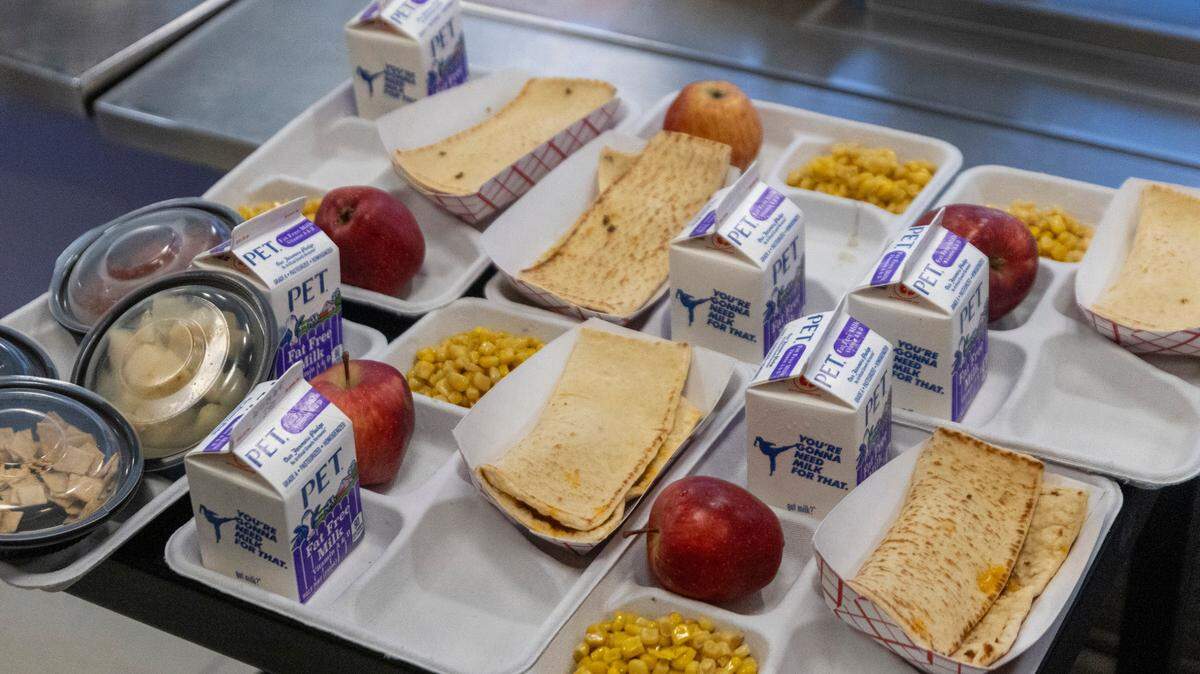
Wake County school administrators will recommend on Tuesday raising school breakfast and lunch prices by 25 cents per meal for the 2026-27 school year. According to documentation for the presentation, officials say they need to increase meal prices to keep the program financially afloat amid higher operating costs.
Annual hikes in school meal prices have become a way of life for families in the Wake County school system.
Here’s a look at how much prices could go up and why:
How much could a school meal cost?
A full-price meal could increase to:
- $2.25 for breakfast at elementary schools, up from $2.
- $2.50 for breakfast at middle and high schools, up from $2.25.
- $4 for lunch at elementary schools, up from $.3.75.
- $4.25 for lunch at middle and high schools, up from $4.
The 25-cent increase could increase lunch revenues by $554,612 and breakfast revenues $93.578.
A decade ago, it cost $2.25 for lunch in elementary schools and $2.50 for lunch in middle and high schools.
Who would not be affected by the meal increase?
The proposed price increase would not affect the 37.5% of Wake County students who qualify for a free and reduced-price meal. It also wouldn’t impact the students at the high-poverty schools that qualify for a federal program that provides free meals to all students regardless of their family’s income level.
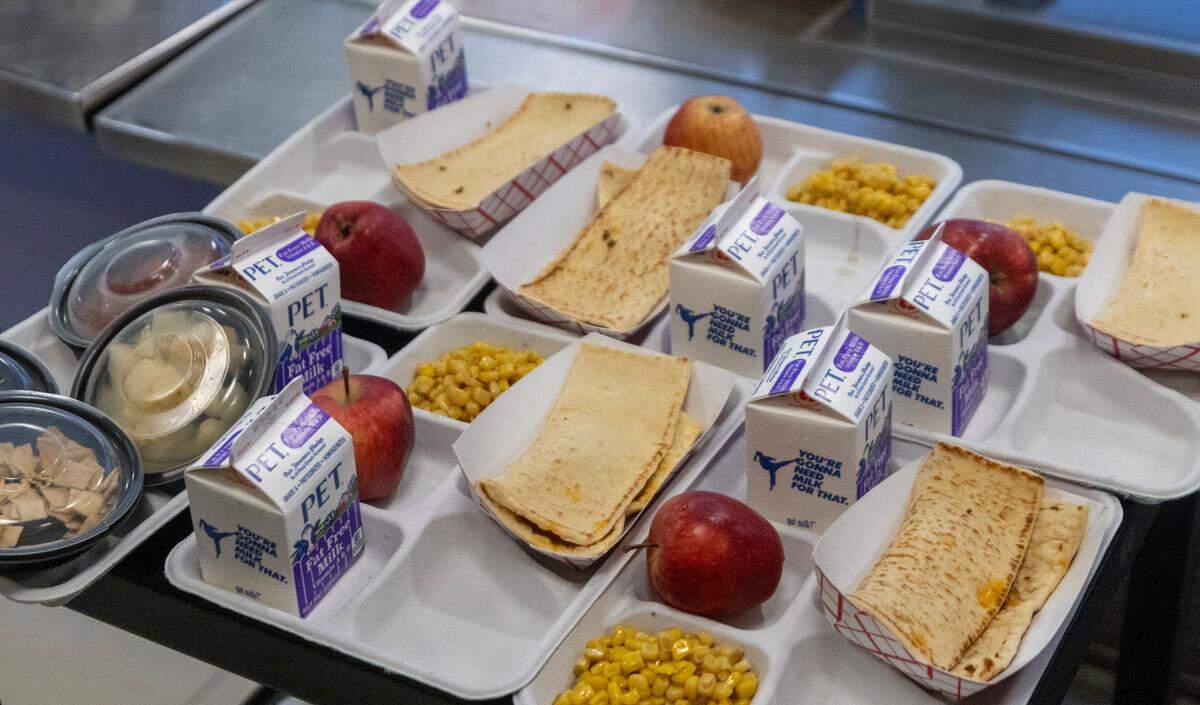
During the pandemic, the federal government allowed schools to serve free meals to all students. According to Wake, it would cost an additional $11.9 million a year to resume providing free meals to all district students.
Why could meal prices increase again?
School administrators say revenues aren’t keeping up with increases in food, supply and labor costs:
- The amount Wake spends on staff has doubled in the past decade. Salaries for cafeteria workers have risen to a minimum of $17.75 an hour in an effort to recruit enough people for Wake’s 203 schools.
- Inflation has escalated prices for ingredients. For instance, a chicken sandwich now costs the district $1.15 compared to 38 cents a decade ago.
- The price of shipping food has increased to where Wake is paying $3.57 per case compared to $1.12 a decade ago.
School nutrition programs are supposed to be financially self-supporting. But administrators say that unless things change they may need the district’s help to cover costs.
Students racking up unpaid meal bills
There is a way Wake could cut down on costs, but it would require changing the district’s position on “lunch shaming.”
Wake used to serve students a cheaper alternative meal of fruits and vegetables if they had too large a tab of unpaid meal debt. But this led to complaints that it publicly shamed those students because classmates could tell why they weren’t eating the regular meal.
Wake suspended the practice of serving the alternative meals in September 2024 when the district began getting enough donations from the community to cover the unpaid meal debt. However, since then the amount of unpaid meal debt has soared to six-figure levels.
In January, administrators had recommended resuming serving the meal of fruits and vegetables when children had too much of an unpaid meal balance. But the school board rejected the request and told staff to come up with another way to absorb the debt.
Getting more students eligible for a subsidized meal
Wake could ease its financial burden if it increases the number of students who are eligible for a free meal. The federal government reimburses the district at $4.69 per free meal served compared to just 53 cents for full-price student meal.
Wake says a students’ ability to receive a federally subsidized meal is based solely on federal eligibility guidelines. The district says it’s trying to maximize identifying which students are eligible for a subsidized school meal.
In the meantime, the district says raising revenues from higher meal prices would help keep the nutrition program sustainable.