Fewer administrators, more students. Can UNC-Chapel Hill pull off both at once?

AI-generated summary reviewed by our newsroom.
- UNC-Chapel Hill aims to cut $25 million in annual administrative spending.
- More than $17 million in savings are already built into this year's budget.
- Trustees and students questioned whether cuts can coexist with adding 5,000 students.
UNC-Chapel Hill has made significant progress toward its ambitious goal of cutting $25 million annually in administrative spending.
But there’s a central tension at the heart of the effort: UNC is also chasing substantial growth. It hopes to add 5,000 students over the next decade.
The savings goal requires the university to spend less on salaries. There are more than 6,400 people included in the “administrative headcount” at UNC-Chapel Hill.
But UNC trustee Perrin Jones and others raised questions Wednesday about these potentially competing goals.
Can the cuts and growth coexist without friction? Will there be enough administrators to keep up with demands of those new students and their parents? Will service degrade as headcount dwindles?
“The university has changed [in recent] years,” said Jones at the university’s Board of Trustees budget committee meeting.
“Our student population has increased. I’m all for the efficiency,” he said. “I just want to make sure that we’re not going to strangle the ability to grow the university while we’re trying to find efficiency.”

How will cuts be achieved?
The university is largely not filling vacant administrative positions. It’s working to centralize administrative department-specific offices like finance, communications, information technology, and human resources into an overarching shared-services model. More than $17 million in savings are already built into this year’s budget, and this fall, the university plans to permanently eliminate many vacant positions and move staff into new shared service centers.
Layoffs are referred to as a last resort, but aren’t entirely off the table.
The number of administrative staff with a base salary of $250,000 or more has come down from 63 in 2025 to 57 in 2026. That doesn’t include athletics, where the number of high-salary staff has increased from 19 in 2019 to 27 in June 2026.
Still, according to UNC, the administrative salary base decreased nearly $23 million since an administrative headcount cap was put in place — savings the university intends to “memorialize ... by abolishing vacancies and restructuring.”
The savings could go toward supporting enrollment growth, faculty hiring, AI investment, and building renovations, said Nate Knuffman, UNC’s chief financial officer.
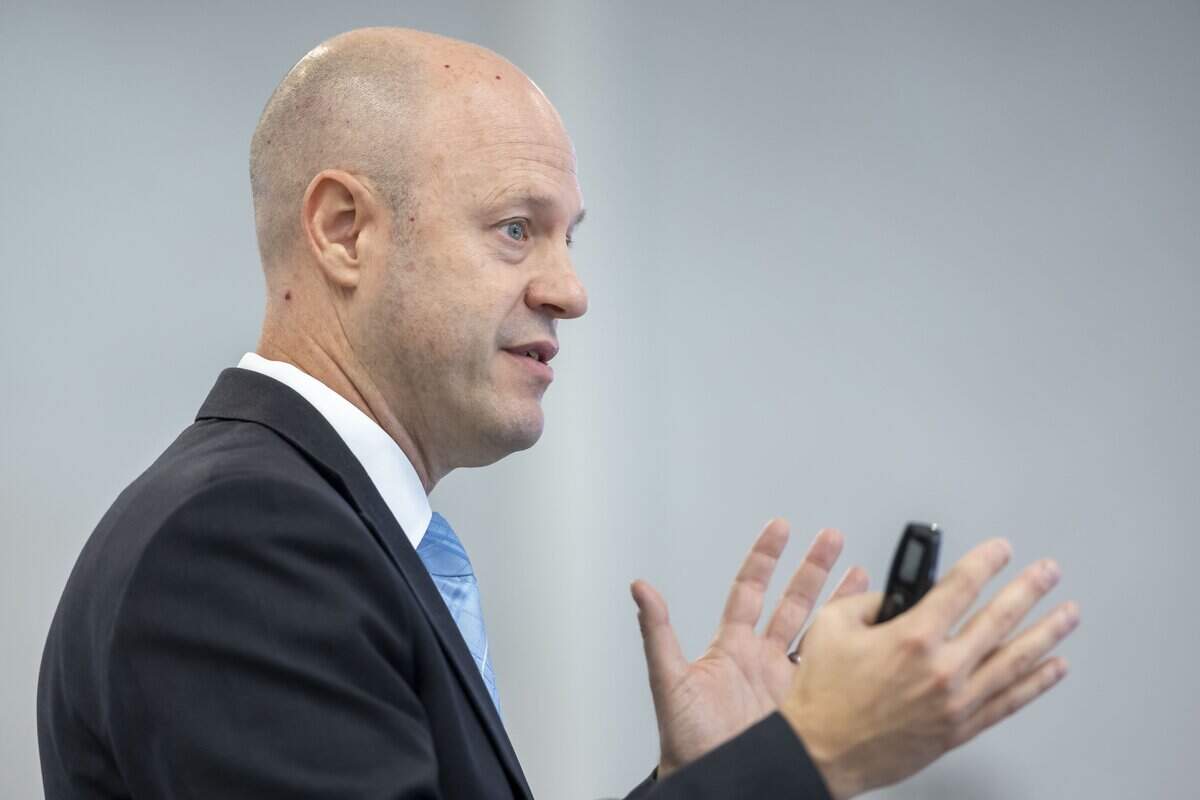
Student Body President Devin Duncan, who serves on the board, raised the concern that given the cuts, fewer student service administrators could accommodate an increased case load of students. Duncan urged “thoughtful” cuts above all.
Knuffman agreed that a growing university needs “to ensure that we’re still delivering really strong service and making this place as great as it is.”
”But yet at the same time, that’s what this effort is actually rooted in,” he said. “By us being able to operate more efficiently, we have more dollars to invest in the institution to actually drive that excellence.”
Trustee Brian Allen brought up the merits of communicating that idea of reinvestment more clearly to faculty and staff.
“They’re going to be very fearful of how to ever get this money back,” Allen said. “... One idea would be 20% of it goes back to education and training for the current staff to make them better. So then they actually get a piece of this back. Have them be a part of the conversation, so that they buy in.”
The $25 million cut to administrative spending is part of a wider $90 million savings goal, which includes cuts to academic centers and institutes and nonresident financial aid.
This story was originally published July 30, 2026 at 5:15 AM with the headline "Fewer administrators, more students. Can UNC-Chapel Hill pull off both at once?."